Event marketing has evolved into one of the most powerful tools brands use to connect with audiences and influence purchasing decisions. Unlike traditional advertising, event marketing creates real-world experiences that allow customers to interact with products, services, and brand stories in meaningful ways. When executed strategically, these experiences increase engagement, strengthen trust, and directly support sales growth.
As competition grows across industries, businesses are increasingly investing in event-based campaigns to create emotional connections that digital-only channels cannot replicate.
Why Event Marketing Creates Stronger Customer Engagement
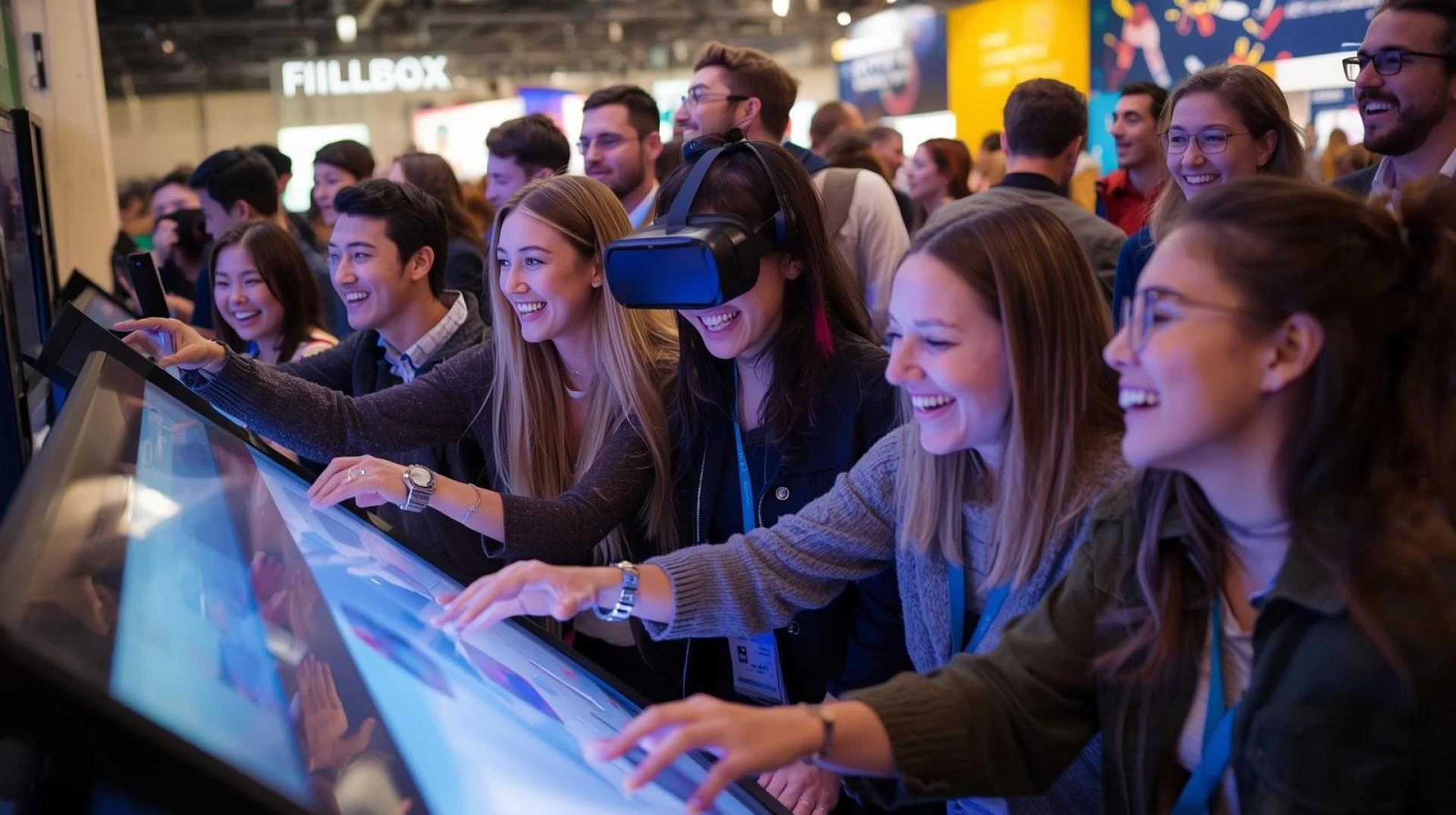
Customer engagement is built on interaction, emotion, and participation. Event marketing delivers all three by transforming passive audiences into active participants.
Live experiences allow brands to:
- Build face-to-face relationships
- Create immersive brand environments
- Encourage product interaction
- Generate authentic conversations
- Capture real-time feedback
Many organizations partner with a full-service events and marketing company to align these engagement strategies with broader brand campaigns. When experiential marketing integrates with digital outreach and content strategy, brands create a seamless customer journey that continues beyond the event itself.
The Role of Storytelling in Driving Sales
Events are no longer just about presentations or displays. They are storytelling platforms where brands communicate values, product benefits, and emotional narratives through space and design.
When customers experience a story instead of hearing a sales pitch, they are more likely to remember the brand and feel connected to its mission. This emotional response plays a major role in purchase decisions and long-term loyalty.
Story-driven environments also help:
- Improve brand recall
- Increase word-of-mouth marketing
- Strengthen emotional attachment
- Encourage repeat engagement
Production Quality Influences Buying Behavior
A well-produced event creates credibility. Clean layouts, professional staging, clear audio-visual elements, and smooth logistics signal reliability and trustworthiness.
That is why many brands rely on experienced event production agencies nyc to manage technical execution, logistics, safety, and on-site coordination. When production runs smoothly, brands can focus on engaging attendees rather than solving operational issues.
High-quality production also improves attendee comfort and experience, which directly impacts how long visitors stay and how positively they perceive the brand.
How Custom Environments Increase Conversion Rates
Physical environments play a powerful role in shaping customer perception. Instead of generic setups, brands are now using tailored scenic builds to reflect their identity and messaging.
Through immersive layouts, interactive zones, and product-focused installations, companies can guide customers through a curated journey. Strategic use of custom event fabrication allows brands to design spaces that support demos, consultations, product launches, and content creation.
These custom environments help:
- Increase dwell time
- Improve product interaction
- Encourage social sharing
- Create premium brand perception
- Drive qualified leads
Data and Post-Event Follow-Up Multiply Sales Impact
Modern event marketing does not stop when the event ends. Brands now use registration data, lead capture tools, and post-event follow-ups to continue nurturing relationships.
This data-driven approach allows businesses to:
- Retarget engaged attendees
- Measure conversion performance
- Identify high-value prospects
- Optimize future campaigns
When experiential data is combined with CRM and digital marketing platforms, events become long-term revenue drivers rather than one-time activations.
Conclusion
Event marketing drives customer engagement and sales by creating real-world interactions that build trust, emotional connection, and brand loyalty. Through immersive storytelling, high-quality production, and customized environments, brands can influence buying decisions in ways traditional advertising cannot.
As businesses continue to prioritize meaningful experiences over transactional messaging, event marketing will remain one of the most effective strategies for increasing both engagement and revenue.