
The demand for sugar-reduced beverages has encouraged food and beverage manufacturers to explore alternative sweetening ingredients that support changing consumer preferences. From flavoured drinks and powdered beverage mixes to drink concentrates, manufacturers are looking for ways to manage sugar content while maintaining a pleasant taste and consistent product quality.
Erythritol is one ingredient considered in these formulations. It is a sugar alcohol that provides sweetness and can contribute bulk to certain food and beverage products. When used appropriately, it can support the development of reduced-sugar formulations, although the final results depend on the recipe, processing conditions, and combination of ingredients.
Understanding how erythritol works in beverages can help manufacturers make informed decisions during product development and ingredient sourcing.
What Is Erythritol?
Erythritol is a sugar alcohol, also known as a polyol, used as a sweetening ingredient in a range of food applications. It has a clean, mildly sweet taste and generally provides less sweetness than sucrose. It also contributes fewer calories than conventional sugar.
These characteristics make erythritol an option for manufacturers developing sugar-reduced products. However, because its sweetness and functional properties differ from those of sugar, it may not provide an identical result when substituted directly into an existing formulation.
Manufacturers should consider the intended sweetness level, flavour profile, solubility, and other formulation requirements before selecting erythritol for a commercial beverage.
How Erythritol Supports Sugar-Reduced Beverage Formulation
Developing a reduced-sugar beverage involves more than removing sugar from a recipe. Sugar can influence sweetness, mouthfeel, solids content, and the overall sensory experience. Replacing or reducing it may therefore require adjustments to several ingredients.
Erythritol can contribute sweetness while helping manufacturers develop formulations with less conventional sugar. Its suitability depends on the type of beverage and the desired finished product.
Flavoured Drinks and Ready-to-Drink Beverages
Flavoured beverages require a balanced relationship between sweetness, acidity, and flavour intensity. When sugar levels are reduced, fruit flavours may taste sharper, while some drinks can develop a thinner mouthfeel.
Erythritol may be used to help restore sweetness in suitable formulations. Manufacturers should assess how it interacts with fruit flavours, acids, flavourings, and any other sweeteners included in the recipe.
Taste testing and formulation trials are important for determining the appropriate inclusion level and ensuring that the finished beverage meets consumer expectations.
Powdered Beverage Mixes
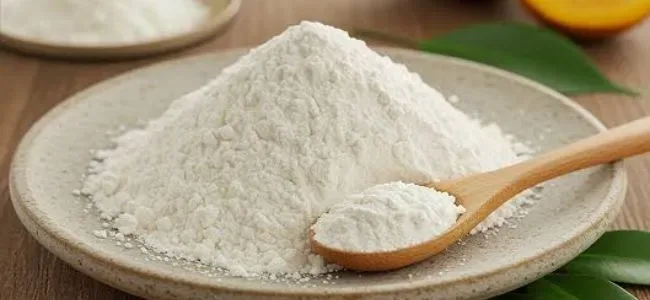
Powdered drink mixes are another potential application for erythritol. These products may include flavoured hydration drinks, instant beverage powders, and other dry mixes designed to be dissolved in water or another liquid.
In these formulations, erythritol can contribute sweetness and bulk. Its performance will depend on factors such as particle size, blending uniformity, moisture exposure, and dissolution behaviour.
Manufacturers should also evaluate whether the ingredient distributes evenly throughout the powder blend and whether the prepared drink achieves the intended taste and texture.
Drink Concentrates and Specialty Beverages
Drink concentrates and specialty beverages may also benefit from carefully selected alternative sweeteners. Erythritol can be considered where its taste profile and functional properties align with the product requirements.
However, not every beverage is equally suitable. Concentration, temperature, acidity, and the presence of other ingredients can influence the outcome. Pilot batches and stability testing can help manufacturers identify any adjustments needed before moving to commercial production.
Key Formulation Considerations When Using Erythritol
Although erythritol offers potential advantages, manufacturers should evaluate its performance within the complete formulation rather than treating it as a direct replacement for sugar in every application.
Sweetness and flavour balance: Erythritol is less sweet than sucrose, so additional adjustments may be needed to achieve the target sweetness. The choice of other sweeteners and flavour ingredients should be based on the desired sensory profile.
Solubility and dissolution: Beverage manufacturers should test how quickly erythritol dissolves under the intended preparation conditions. This is particularly important for instant drink powders and concentrated beverages.
Mouthfeel and texture: Sugar contributes solids and body to beverages. Reducing it can change the drinking experience, so the formulation may need other ingredients to achieve the desired mouthfeel.
Cooling sensation: Erythritol can produce a cooling sensation in the mouth. This may work well in certain flavour profiles but may be less desirable in others. Sensory testing helps determine whether the effect suits the product.
Storage and stability: Powdered formulations should be assessed for moisture sensitivity, flow characteristics, packaging compatibility, and storage stability. Finished beverages should undergo appropriate testing based on their processing and shelf-life requirements.
These considerations help manufacturers determine whether erythritol is appropriate for a particular beverage and how it should be incorporated into the production process.
Selecting Erythritol Food Powder for Commercial Production
Choosing the right ingredient is an important part of developing consistent beverage products. Manufacturers sourcing erythritol food powder should look beyond the ingredient name and review its suitability for the intended application.
Several factors deserve attention during supplier evaluation:
- Food-grade specifications: Confirm that the ingredient meets the applicable food safety and quality requirements for the intended use.
- Purity and consistency: Review product specifications and quality documentation to ensure the ingredient meets formulation requirements.
- Physical characteristics: Consider particle size, appearance, and other relevant properties, especially for powdered drink mixes.
- Packaging and handling: Check whether the packaging suits the manufacturer's storage, transport, and production requirements.
- Supply availability: Evaluate order quantities, lead times, and the supplier's ability to support ongoing commercial requirements.
Ingredient testing remains essential. Even when a product meets its specifications, manufacturers should confirm its performance within their own recipes and processing conditions.
How to Choose an Erythritol Supplier in Australia
For Australian food and beverage businesses, choosing a suitable supplier involves evaluating product quality, supply arrangements, technical information, and purchasing requirements.
A dependable erythritol supplier in Australia should be able to provide relevant product specifications and information that helps buyers assess whether the ingredient is suitable for their intended application. Clear communication about packaging, minimum order quantities, availability, and delivery arrangements can also simplify procurement planning.
Food Ingredient Australia is a resource for businesses researching food ingredients for commercial applications. Manufacturers interested in erythritol can review the erythritol supplier in Australia product page to explore the available ingredient offering and assess its relevance to their sourcing requirements.
Before placing a commercial order, buyers should confirm current specifications, packaging details, availability, and any technical documentation required for their production process.
Understanding Erythritol Bulk Price and Purchasing Costs
The erythritol bulk price can vary depending on several commercial factors. For manufacturers using the ingredient regularly, evaluating the total purchasing cost is more useful than comparing the quoted price alone.
Order volume is one important consideration. Larger orders may have different pricing structures, but the potential savings should be assessed alongside storage capacity, expected consumption, and inventory requirements.
Other factors that may influence overall cost include:
- Packaging size and format
- Product specifications and quality requirements
- Supplier terms and minimum order quantities
- Freight, handling, and delivery arrangements
- Order frequency and supply lead times
Manufacturers should request current quotations based on their required quantities and delivery arrangements. Comparing suppliers on a consistent basis makes it easier to assess overall value and plan ingredient procurement.
For businesses that use erythritol across multiple beverage products, forecasting demand can also help reduce the risk of overstocking or production delays.
Benefits of Working with a Wholesale Erythritol Supplier in Australia
Working with a wholesale erythritol supplier in Australia can be useful for beverage manufacturers, food processors, and ingredient distributors with ongoing commercial demand.
Wholesale sourcing allows businesses to evaluate supply options according to their expected usage, packaging needs, and procurement schedules. It can also help purchasing teams establish clearer ordering processes and coordinate ingredient availability with production planning.
Before choosing a wholesale supplier, businesses should consider product consistency, documentation, order flexibility, communication, and delivery reliability. These factors are particularly important when erythritol forms part of a recurring production schedule.
A supplier should be assessed on its ability to meet the buyer's actual requirements rather than on price alone. Reliable procurement planning can help manufacturers manage costs while maintaining consistent product quality.
Conclusion
Erythritol can play a useful role in the development of sugar-reduced beverages and drink mixes by contributing sweetness and, in suitable formulations, bulk. Its applications may include flavoured drinks, instant beverage powders, drink concentrates, and other products where its sensory and functional properties meet the formulation requirements.
Successful use depends on careful evaluation of sweetness, dissolution, mouthfeel, storage stability, and ingredient compatibility. Manufacturers should conduct appropriate trials before scaling up production and confirm that the selected ingredient meets their technical and quality requirements.
For businesses sourcing ingredients commercially, working with a suitable supplier and comparing the full cost of procurement can support more informed purchasing decisions. By combining thoughtful formulation with reliable ingredient sourcing, beverage manufacturers can develop products that balance taste, performance, and sugar-reduction goals.