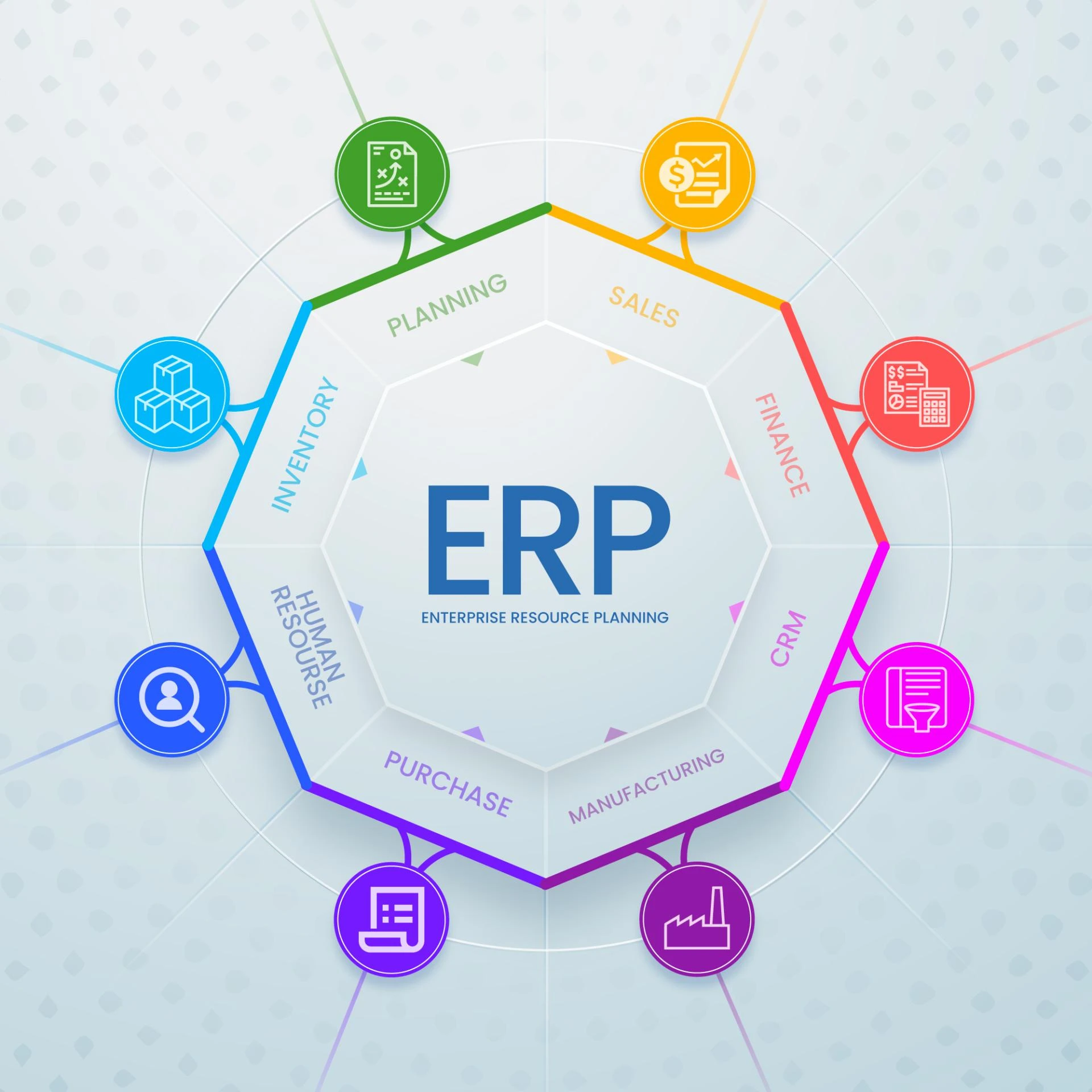
Enterprise Resource Planning (ERP) systems have become the backbone of modern businesses, integrating critical operations such as finance, supply chain, and customer management. However, as ERP systems evolve, so do cyber threats. In 2025, cyberattacks on enterprise software are projected to increase by 35%, making cybersecurity a top priority for ERP software companies.
The Growing Need for Cybersecurity in ERP Systems
- Increased Cyber Threats: With businesses handling vast amounts of sensitive data, ERP systems have become prime targets for cybercriminals.
- Compliance Requirements: Governments and industry regulators are enforcing stricter data protection laws, requiring ERP software companies to enhance security measures.
- Remote Work Challenges: The rise of remote and hybrid work models has increased vulnerabilities, necessitating stronger security protocols.
Key Cybersecurity Measures Implemented by ERP Software Companies
1. Advanced Data Encryption
To ensure that data remains secure both in transit and at rest, ERP software companies are adopting end-to-end encryption technologies. This prevents unauthorized access and protects sensitive business information.
2. Multi-Factor Authentication (MFA)
By implementing MFA, ERP providers add an extra layer of security, reducing the risk of unauthorized access. Users must verify their identity using multiple authentication methods, making it harder for cybercriminals to breach systems.
3. AI-Powered Threat Detection
Artificial intelligence (AI) and machine learning (ML) are being used to monitor ERP systems in real-time. These technologies can detect anomalies, predict potential cyber threats, and take preventive actions before an attack occurs.
4. Regular Security Audits and Compliance Checks
ERP software companies are conducting frequent security audits to identify vulnerabilities and ensure compliance with data protection regulations such as GDPR, HIPAA, and ISO 27001.
5. Cloud Security Enhancements
As cloud-based ERP adoption grows, ERP providers are investing in advanced cloud security protocols, including firewalls, intrusion detection systems, and role-based access controls.
6. Zero Trust Architecture (ZTA)
ERP software companies are implementing Zero Trust models, which require continuous verification of users and devices before granting access. This approach minimizes risks associated with unauthorized system entry.
7. Automated Patch Management
Keeping ERP systems up to date is crucial for security. Automated patch management ensures that all vulnerabilities are promptly fixed, reducing the risk of exploits.
8. Blockchain for Data Integrity
Some ERP software companies are integrating blockchain technology to create an immutable record of transactions. This helps prevent data tampering and unauthorized modifications.
Future Trends in ERP Cybersecurity
- Quantum-Safe Cryptography: As quantum computing advances, ERP providers are exploring new encryption methods to protect data from future cyber threats.
- Biometric Authentication: Fingerprint and facial recognition authentication are being incorporated for secure access control.
- Cyber Insurance Integration: More companies are bundling ERP solutions with cyber insurance coverage to mitigate financial risks in case of a breach.
Conclusion
ERP software companies are at the forefront of cybersecurity advancements, ensuring that enterprise solutions remain secure against evolving threats. With a projected increase in cyberattacks, businesses must prioritize ERP systems that incorporate strong security measures. By leveraging AI, encryption, and compliance-driven security frameworks, ERP providers are setting new standards in cybersecurity, ensuring safer and more resilient enterprise operations.