
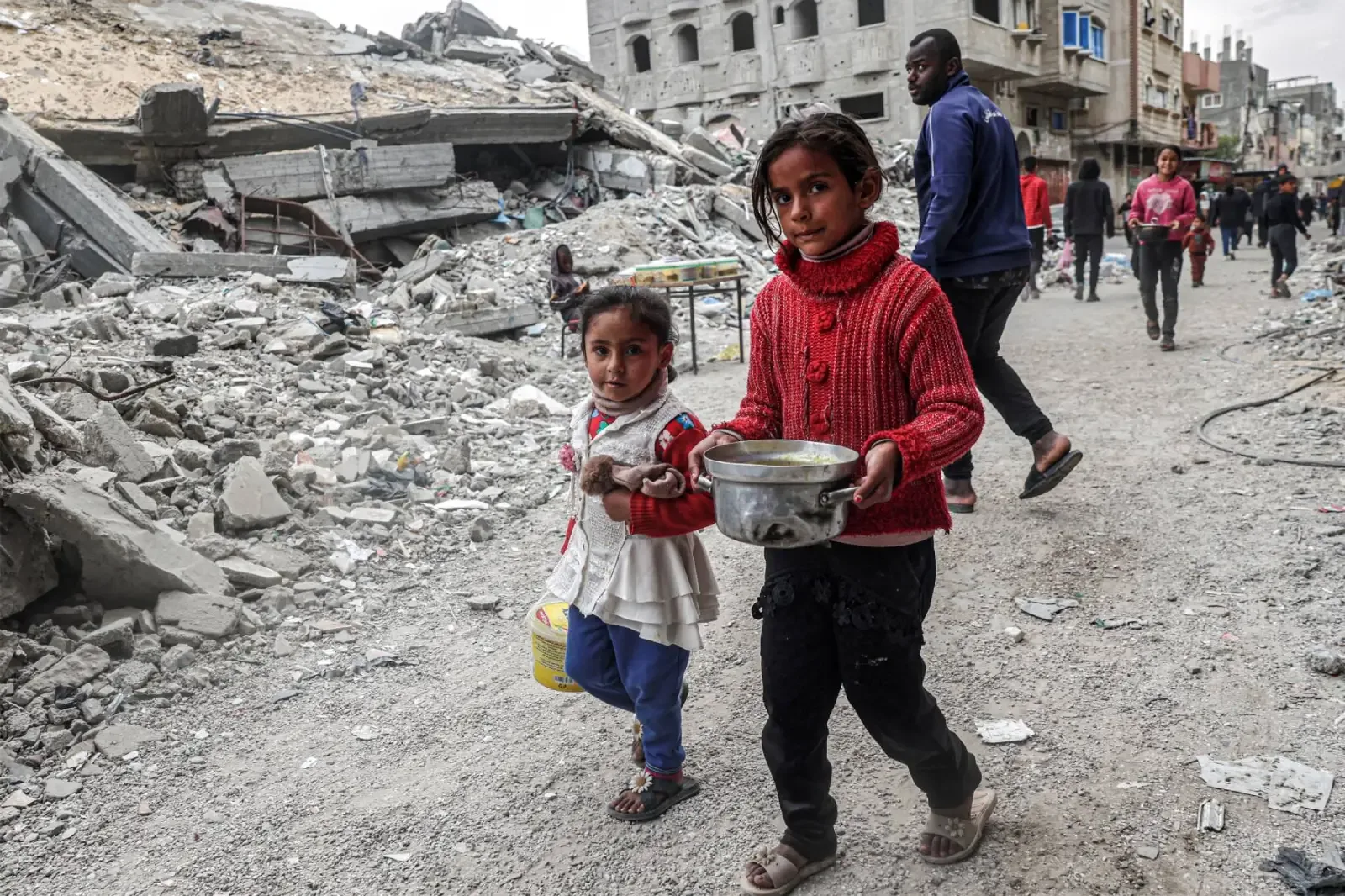
When a crisis affects families, everyday needs can quickly become difficult to meet. Food, clean water, shelter, medicine and basic household items may become limited, leaving children, parents and older people in a very difficult situation. Emergency aid provides quick support when families need help the most. Through Palestine Emergency Aid, charities and relief organisations can help provide essential supplies and support to people facing serious hardship.
What Is Emergency Aid?
Emergency aid is short-term help given to people affected by conflict, disasters or other serious emergencies. It is designed to meet basic needs quickly rather than waiting for long-term solutions.
For families in Palestine, emergency support can include food parcels, drinking water, medical supplies, hygiene products, temporary shelter and financial assistance. The exact type of help depends on what families need and what relief organisations can safely deliver.
Emergency aid can make a major difference because families may have very little access to shops, hospitals, clean water or safe housing during a crisis.
Providing Food for Families
Food is one of the most important forms of emergency support. Families need regular meals to stay healthy and have enough energy for daily life. During a crisis, however, people may lose access to shops, markets or regular sources of income.
Food aid can provide basic items such as rice, flour, lentils, cooking oil, canned food and other essential products. Food parcels can help families prepare meals without having to spend money they may not have.
Children are especially dependent on regular and nutritious food. Providing food to families can help reduce hunger and support children's growth and wellbeing.
Giving Access to Clean Water
Clean water is another basic need that becomes especially important during emergencies. Families need water for drinking, cooking and washing. When normal water supplies are damaged or unavailable, people can face serious difficulties.
Emergency water support may include bottled water, water tanks, purification supplies or other safe water solutions. These services can help families access water for everyday needs.
Safe drinking water also helps reduce the risk of illnesses linked to unsafe or contaminated water. For this reason, water assistance is often an important part of emergency relief.
Supporting Medical Needs
Medical care can become harder to access during a humanitarian crisis. Hospitals and health centres may have limited supplies, while families may struggle to afford medicines or travel to healthcare facilities.
Emergency aid can help provide medicines, medical equipment, first-aid supplies and support for healthcare services. This can be especially important for children, older people and those who need regular treatment.
Medical assistance does not only help people after they become seriously ill. It can also support basic healthcare and help prevent smaller health problems from becoming more serious.
Helping Families Find Shelter
Safe shelter is essential for every family. During conflict or displacement, some people may have to leave their homes and stay in temporary locations.
Emergency shelter support can include tents, blankets, sleeping mats, tarpaulins and other basic items. These supplies can offer some protection from cold, rain, heat and difficult living conditions.
Shelter assistance is particularly important during winter. Warm blankets, suitable clothing and weather-resistant accommodation can help families cope with harsh conditions.
Providing Hygiene Supplies
Personal hygiene can be difficult when families do not have regular access to water, shops or household products. Hygiene items can therefore become an important part of emergency relief.
Charities may provide soap, sanitary products, nappies, toothbrushes, toothpaste and cleaning supplies. These simple items can help families maintain basic hygiene and dignity.
Hygiene support can also help reduce the spread of some illnesses, especially in crowded temporary living conditions.
Helping Children During a Crisis
Children can be among the most vulnerable people during emergencies. They may experience disruption to their education, daily routines and family life.
Emergency assistance can help provide food, clothing, safe spaces and other basic needs for children. Some organisations may also support education and child-friendly activities when conditions allow.
Helping children is important because their needs go beyond food and shelter. They also need safety, care, emotional support and opportunities to continue learning.
Giving Families Financial Support
Not every family has exactly the same needs. This is why cash assistance can sometimes be useful. Where safe and practical, financial support allows families to purchase essential items based on their own situation.
One family may need food, while another may need medicine, clothing or transport. Flexible support can allow people to make decisions about their most urgent needs.
Financial assistance can also help local markets and small businesses when goods are available, supporting the wider community.
Why Quick Aid Matters
Emergencies can change very quickly. A family that has enough food and water today may face shortages tomorrow. Fast assistance can therefore help people manage immediate problems before they become even more serious.
Relief organisations often work with local partners to identify urgent needs and distribute supplies. Good emergency programmes aim to reach people fairly and provide assistance where it can have the greatest benefit.
Quick help can provide families with more than physical supplies. It can also give people a sense that they are not facing a crisis alone.
How People in the UK Can Help
People in the UK who want to support families affected by emergencies can donate to trusted humanitarian organisations. Before donating, it is useful to check how a charity works, where donations go and whether it provides clear information about its relief programmes.
People can also support fundraising campaigns, share verified appeals and encourage others to help. Even a small donation can contribute towards food, water, shelter or medical supplies when combined with donations from many people.
It is important to choose reputable organisations that follow appropriate standards for humanitarian work and provide information about their activities.
The Importance of Long-Term Support
Emergency aid is designed to meet urgent needs, but families may need support for much longer. Once immediate needs are addressed, communities may require help with housing, healthcare, education, employment and rebuilding.
Long-term assistance can help families move from surviving an emergency towards a more stable future. Emergency and long-term support can therefore work together.
The most effective humanitarian response considers both immediate needs and the future of affected communities.
Conclusion
Emergency aid can provide vital support to families in Palestine during difficult times. Food, clean water, medical supplies, shelter, hygiene products and financial assistance can help people meet basic needs and protect their wellbeing.
For families facing hardship, timely support can make everyday life a little safer and more manageable. People in the UK can play a part by supporting trusted humanitarian organisations and sharing reliable information about ways to help.
While emergency aid cannot solve every problem, it can provide essential assistance when families need it most and help protect dignity, health and hope during a crisis.