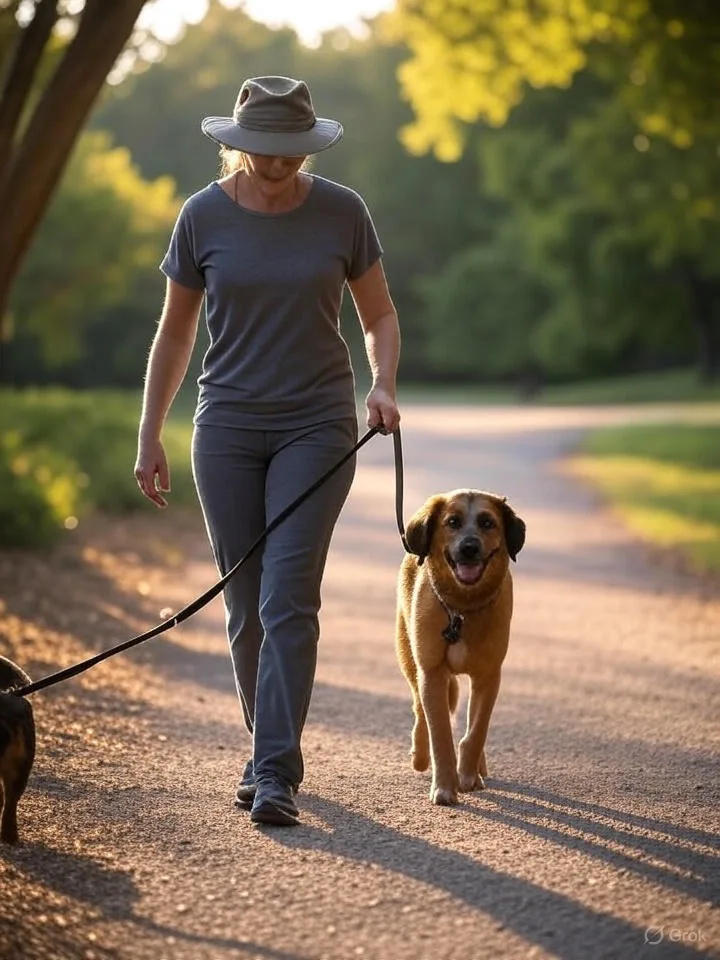
Bringing a new baby home is one of the most exciting milestones for any family. However, while parents prepare nurseries, purchase baby supplies, and adjust their schedules, one important family member is often overlooked—the family dog. Dogs thrive on routine, familiarity, and consistency, and the arrival of a newborn can significantly disrupt their daily lives. New sounds, unfamiliar smells, changes in attention, and altered routines can create confusion and anxiety for even the most well-behaved dog.
This is where a professional Dog Training Service in VA can make a tremendous difference. Professional dog trainers help prepare dogs for major life transitions, including the arrival of a new baby, ensuring a safer, happier, and less stressful environment for everyone involved.
Why the Arrival of a New Baby Can Be Challenging for Dogs
Dogs are creatures of habit. They become comfortable with established routines and familiar environments. When a baby arrives, many aspects of a dog's daily life suddenly change, including:
- Feeding schedules
- Walking routines
- Sleeping arrangements
- Attention from family members
- Household noises and activity levels
Physical space restrictions
These changes can lead to stress, anxiety, confusion, or unwanted behaviors. Some dogs may become clingy, while others may exhibit destructive behaviors, excessive barking, resource guarding, or withdrawal.
A professional Dog Training Service in VA helps dogs understand and adapt to these changes gradually, reducing the likelihood of behavioral issues developing after the baby arrives.
Preparing Dogs Before the Baby Arrives
One of the biggest advantages of working with a Dog Training Service in VA is proactive preparation. Trainers recommend beginning the adjustment process several months before the baby's arrival whenever possible.
Professional trainers often help owners introduce:
New Household Sounds
Babies create many unfamiliar sounds, including crying, laughing, toys, swings, and electronic devices. Gradual exposure to recorded baby sounds can help dogs become comfortable before the real experience occurs.
Nursery Boundaries
Many families establish certain areas of the home as baby-only spaces. Training dogs to respect boundaries before the baby arrives reduces confusion and prevents future conflicts.
Changes in Routine
Professional trainers help owners slowly adjust feeding, walking, and attention schedules so the transition feels less abrupt for the dog.
Obedience Reinforcement
Basic obedience commands become especially important when a newborn enters the home. Commands such as:
- Sit
- Stay
- Place
- Leave it
- Down
Come
provide owners with greater control and create a safer environment for both the baby and the dog.
Building Calm Behavior Around Babies
A major focus of any experienced Dog Training Service in VA is teaching dogs how to remain calm around infants and young children.
Dogs naturally become curious about new family members. Without proper guidance, this curiosity can lead to jumping, barking, excessive licking, or anxious behaviors. Professional trainers use positive reinforcement techniques to teach dogs that calm behavior earns rewards and attention.
Training sessions often include exercises that encourage:
- Remaining relaxed near baby equipment
- Ignoring sudden movements
- Responding reliably to commands
- Settling on designated beds or mats
- Waiting patiently for attention
These skills help establish healthy boundaries and positive associations with the baby's presence.
Addressing Anxiety and Stress
Not all dogs react to a new baby in the same way. Some dogs become anxious due to reduced attention, disrupted routines, or unfamiliar sounds. Signs of stress may include:
- Excessive panting
- Pacing
- Barking
- Destructive chewing
- Loss of appetite
- Withdrawal
House accidents
A professional Dog Training Service in VA can identify early signs of anxiety and implement training strategies to help dogs cope with stress effectively.
Rather than punishing anxious behaviors, trainers focus on:
- Confidence-building exercises
- Mental stimulation activities
- Positive reinforcement
- Structured routines
Controlled exposure training
This approach helps dogs regain confidence and adapt more comfortably to their changing environment.
Preventing Resource Guarding Behaviors
One concern many families have when introducing a new baby is resource guarding. Some dogs may become protective of toys, food bowls, beds, or even their owners.
Professional dog trainers understand how to recognize early warning signs and implement training plans that reduce guarding tendencies safely and effectively.
A qualified Dog Training Service in VA can help dogs learn:
- Sharing behaviors
- Impulse control
- Relaxation techniques
- Appropriate responses to household changes
Positive associations with family interactions
Early intervention significantly reduces the risk of future behavioral problems.
Teaching Boundary and Place Training
One of the most valuable skills taught by professional trainers is place training. This command teaches dogs to relax in a designated area until released.
Place training provides several benefits for families with newborns:
- Keeps dogs calm during feeding times
- Prevents crowding around the baby
- Reduces overstimulation
- Creates safe spaces for both dog and child
Encourages relaxation during busy household moments
A reputable Dog Training Service in VA can customize place training exercises based on the family's home environment and lifestyle needs.
Helping Rescue and Sensitive Dogs Adjust
Dogs with previous trauma, anxiety, or rescue backgrounds may require additional support during major life transitions. These dogs often have stronger emotional responses to environmental changes.
Professional trainers develop individualized plans that consider:
- The dog's history
- Existing fears or anxieties
- Behavioral triggers
- Confidence level
Family dynamics
Through patient, structured training, even sensitive dogs can successfully adapt to life with a new baby.
Supporting Parents Through the Transition
Dog training isn't only about teaching dogs—it also involves educating owners. Professional trainers help parents understand:
- Canine body language
- Stress signals
- Safe introductions
- Management strategies
Realistic expectations
This education empowers families to create positive interactions between dogs and babies while avoiding common mistakes that can increase stress or confusion.
A professional Dog Training Service in VA provides ongoing guidance and support throughout the transition period, giving families confidence as they navigate this exciting life change.
Long-Term Benefits of Professional Dog Training
Investing in professional dog training before and after a baby's arrival offers long-term benefits that extend well beyond infancy. Properly trained dogs are more likely to:
- Develop positive associations with children
- Exhibit fewer behavioral problems
- Experience less stress
- Adapt more easily to future changes
Build stronger relationships with family members
Early preparation also helps establish safe, respectful interactions as children grow and become more active.
Conclusion
Welcoming a new baby into the family is a joyful experience, but it also represents a major adjustment for household pets. Dogs require patience, guidance, and support to successfully navigate these changes. Working with a professional Dog Training Service in VA helps families prepare their dogs for the arrival of a newborn, reduces stress-related behaviors, and creates a safer, more harmonious home environment.
Whether your dog needs basic obedience reinforcement, anxiety management, confidence-building exercises, or specialized behavioral training, professional guidance can make the transition smoother for everyone involved. With proper preparation and training, dogs and babies can develop positive, lifelong relationships built on trust, safety, and companionship.