Looking directly at the sun—whether during a solar eclipse or out of curiosity—can have serious consequences for your eyes. Many people wonder what does solar retinopathy look like and how it impacts vision over time. This condition occurs when intense solar radiation damages the retina, leading to temporary or permanent visual disturbances.
In this blog, we’ll explore how solar retinopathy affects your vision, its symptoms, causes, and ways to protect your eyes.
What Is Solar Retinopathy?
Solar retinopathy is a type of retinal injury caused by prolonged exposure to sunlight without proper eye protection. The damage primarily affects the macula, the central part of the retina responsible for sharp, detailed vision.
Unlike other eye conditions, solar retinopathy doesn’t cause immediate pain, making it more dangerous because people may not realize the damage until symptoms appear hours later.
What Does Solar Retinopathy Look Like?
If you're asking what does solar retinopathy look like, the visual effects can vary depending on the severity of the damage. Most people experience noticeable changes in their central vision.
Common visual symptoms include:
- Blurred or distorted central vision
- A dark or blind spot (central scotoma)
- Difficulty recognizing faces
- Reduced color perception
- Sensitivity to light (photophobia)
- Straight lines appearing wavy (visual distortion)
These symptoms may affect one or both eyes and can develop within a few hours after sun exposure.
How Solar Retinopathy Affects Your Vision?
Solar retinopathy primarily disrupts central vision, which is crucial for daily tasks like reading, driving, and recognizing details.
Key ways it impacts vision:
1. Central Vision Loss
Damage to the macula leads to a blind or blurry spot in the center of your visual field.
2. Reduced Visual Clarity
Objects may appear hazy or out of focus, even if your peripheral vision remains intact.
3. Distorted Images
Straight lines may look bent or wavy, making reading and screen use difficult.
4. Color Vision Changes
Colors may appear faded or less vibrant due to retinal damage.
5. Difficulty with Fine Tasks
Activities like threading a needle or reading small text become challenging.
Causes and Risk Factors
Solar retinopathy is most commonly caused by direct sun-gazing without protection.
Common causes include:
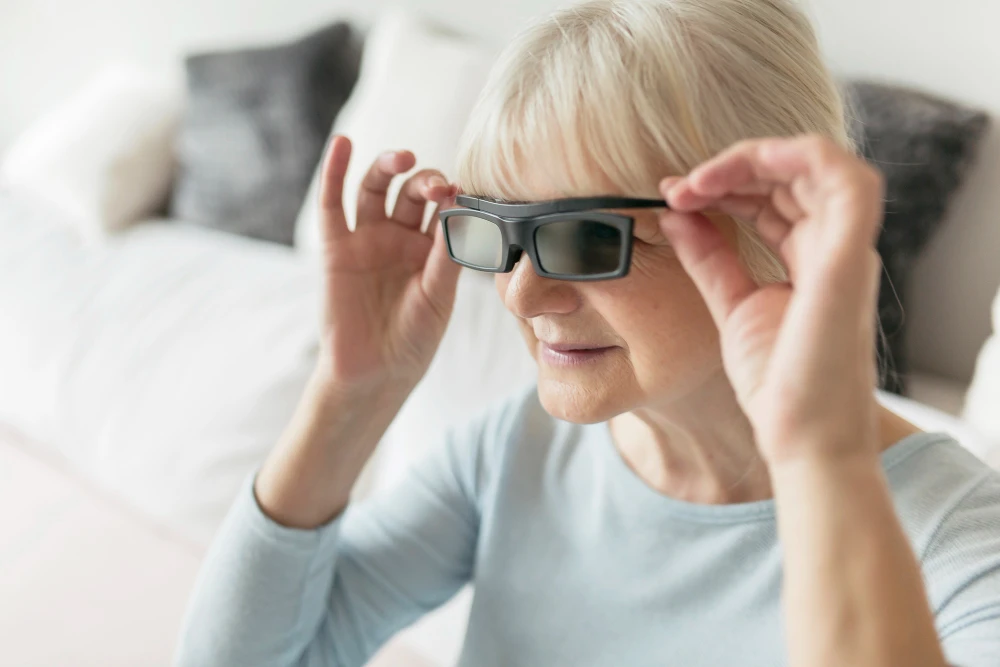
- Watching a solar eclipse without certified eye protection
- Looking at the sun through cameras, telescopes, or binoculars
- Prolonged exposure to sunlight at high altitudes or beaches
- Use of inadequate or fake solar filters
High-risk groups:
- Children and young adults
- Individuals unaware of eye safety practices
- People using optical devices without proper filters
Diagnosis and Treatment
Eye specialists diagnose solar retinopathy using advanced imaging techniques like optical coherence tomography (OCT) and retinal examination.
Treatment options:
- There is no specific cure for solar retinopathy
- Mild cases may improve naturally over weeks or months
- Doctors may recommend anti-inflammatory medications
- Regular monitoring is essential for recovery
In severe cases, some vision loss may be permanent.
How to Protect Your Eyes?
Prevention is the best strategy when it comes to solar retinopathy.
Safety tips:
- Always use ISO-certified eclipse glasses
- Never look directly at the sun without protection
- Avoid using cameras or binoculars without solar filters
- Educate children about the risks of sun-gazing
- Follow safe viewing guidelines during solar events
Wrapping Up
Solar retinopathy is a serious but preventable eye condition that can significantly impact your vision, especially your ability to see fine details. Understanding what does solar retinopathy look like helps in early recognition and timely care. While some cases improve over time, prevention remains the most effective approach.
Protecting your eyes from harmful solar radiation is essential for maintaining long-term visual health. Always prioritize eye safety—because even a few seconds of unprotected sun exposure can lead to lasting damage.