When you look at insulation vs. energy efficiency upgrades, you see two different paths toward a lower utility bill. Insulation acts as a thermal blanket that keeps heat where you want it, while energy upgrades usually involve mechanical systems like furnaces or smart thermostats. The reality is that insulation provides the base layer of efficiency that allows mechanical upgrades to perform their jobs effectively.
This article provides a deep look into which improvements offer the most value for your property. You will learn about the relationship between the building shell and the machines inside it. Professional contractors with years of field experience understand that a balanced approach often yields the best results for comfort and cost savings.

Direct comparison between insulation and mechanical upgrades
If you install a high-efficiency furnace in a house with thin walls, that furnace works harder than it should. The machine runs constantly to replace the heat that escapes through the ceiling and walls. This makes the insulation compared to energy upgrades debate simple: you should fix the leaks before you buy a bigger heater.
Building scientists often refer to this as the "envelope first" strategy. By prioritizing the structure of the house, you reduce the demand on your appliances. This leads to a longer life for your HVAC equipment and lower monthly costs. The following points highlight why the building shell matters:
- Insulation limits heat transfer through materials.
- Air sealing stops drafts from entering through cracks.
- Mechanical upgrades improve how you generate heat or cooling.
- The shell determines how much heat or cooling you actually need.
The insulation's impact on overall efficiency
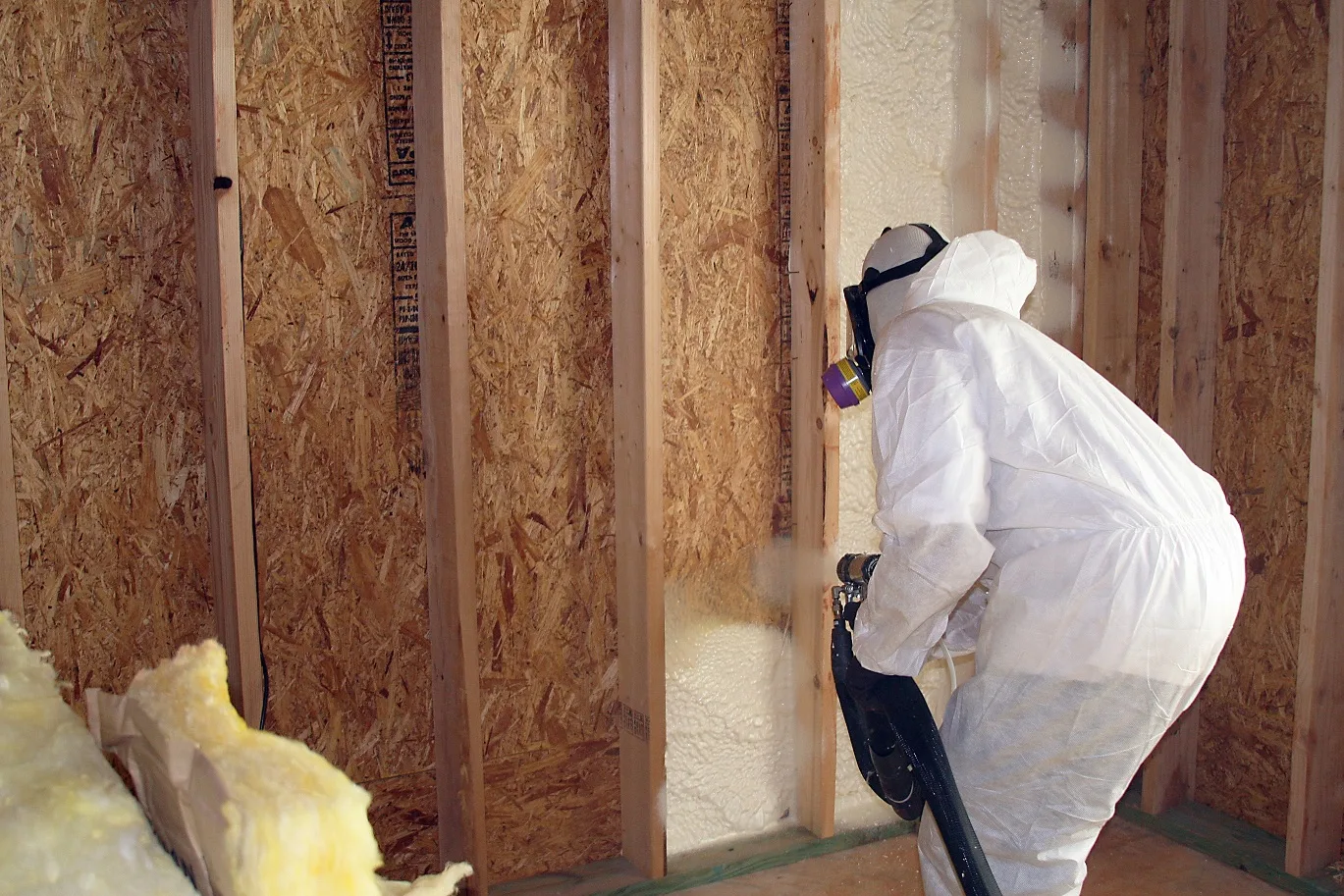
The insulation impact on overall efficiency is often higher than any other single change you can make. Adding Closed Cell Spray Foam or Open Cell Spray Foam creates a barrier that stops both conductive and convective heat loss. This means heat does not move through the wood and drywall, and air does not leak through the gaps.
Statistics show that the average homeowner can save about 15% on heating and cooling costs just by air sealing and insulating attics. In older properties, these savings can be even higher. When you treat the house as a system, the insulation serves as the most reliable part because it has no moving parts and does not require electricity to function.
Which home energy efficiency improvements offer the best
Choosing the best home energy efficiency improvements depends on the current state of your property. If your attic has old, settled material, adding Blown-In Insulation or Fiberglass Insulation is a smart move. These materials increase the R-value, which is the measure of how well a material resists heat flow.
- Attic insulation and air sealing are top priorities.
- Smart thermostats help manage energy use when you are away.
- High-efficiency windows reduce heat gain from sunlight.
- Variable speed HVAC systems adjust to your home's needs.

Cost effectiveness insulation vs upgrades
When looking at the cost-effectiveness of insulation vs upgrades, you have to look at the return on investment. Insulation is generally a one-time cost that lasts for decades. Mechanical systems, however, usually need replacement or expensive repairs every 10 to 15 years.

Comparing HVAC upgrades vs insulation savings
The debate of HVAC upgrades vs insulation savings often comes down to the size of the equipment you buy. If you insulate your home properly first, you might find that you can install a smaller, less expensive HVAC unit. A well-insulated home requires less energy to stay comfortable, which changes the math for your system choice.
Why the building envelope vs system upgrades choice matters
Understanding the building envelope vs system upgrades dynamic is the secret to a comfortable home. While the envelope (roof, walls, and foundation) acts as a passive shield, system upgrades represent the "active" mechanical components. If the passive envelope is weak, the active systems must work overtime to compensate.
- A tight envelope prevents moisture buildup in walls.
- Active systems provide ventilation and humidity control.
- Dense Pack Cellulose can be used in existing walls to strengthen the envelope.
- Crawl Space Encapsulation prevents cold floors and damp air from rising.
Why spray foam insulation efficiency benefits are unique
One of the major spray foam insulation efficiency benefits is the ability to do two things at once. It provides high R-value insulation while also acting as an air sealant. This dual action is why many modern builders prefer it over traditional batts.
Bonus Tip: If you are insulating a basement or a crawl space, consider Thermal Barrier Coatings. These coatings provide fire protection while allowing the insulation to remain exposed. This is often a code requirement that also adds a layer of durability to your project.
Specific energy-efficient home improvement options
There are many energy-efficient home improvement options available to modern property owners. You might consider Residential Spray Foam for a new addition or Commercial Spray Foam for a warehouse project. Each option targets a specific type of energy loss.
- Crawl Space Insulation stops cold air from entering through the floor.
- Polyurea Coatings protect surfaces and add moisture resistance to maintain the thermal seal.
- Air Sealing around windows and doors stops the most common drafts.
- Blown-In Insulation is an affordable way to top off existing attic layers.

How to plan home performance improvement strategies
Developing home performance improvement strategies requires a look at how air moves through your space. Heat naturally moves from warm areas to cold areas. In the winter, it wants to leave your house; in the summer, it wants to enter.
Your strategy should focus on stopping this movement at the source. This is why insulation vs energy efficiency upgrades planning should always start with an energy audit. A professional can use thermal cameras to see exactly where heat is escaping.
Factors to review before you spend money on efficiency
Before you commit to a project, you must look at several variables that affect your results. Not every home needs the same solution. You should evaluate the age of your property, your current energy bills, and how long you plan to stay in the house.
- Check the current depth of your attic insulation.
- Look for visible gaps around plumbing stacks and electrical wires.
- Identify rooms that feel significantly colder or warmer than the rest of the house.
- Review your utility bills from the last two years to find patterns.
- Determine if your windows are single or double pane.
Bonus Tip: Don't forget the "stack effect," a critical factor in home performance. This occurs when warm air rises and escapes through the top of your house, pulling cold air in through the bottom. Sealing your attic and your crawl space at the same time is the most effective way to stop this cycle.
Summarizing the value of a sealed building
Choosing between insulation and energy efficiency upgrades does not have to be a difficult choice. You should view insulation as the permanent foundation of your home's performance. By creating a tight building envelope, you make every other upgrade you perform more effective. This leads to lower bills, better comfort, and a more durable structure. You should evaluate your home's current performance and prioritize the shell before investing in complex mechanical systems.
Get a professional assessment for your next project
If you want to improve your property, contacting an expert is a smart next step. Proseal Spray Foam offers a variety of solutions, including Closed Cell Spray Foam, Air Sealing, and Crawl Space Encapsulation. You can reach out to them for a free quote to see which improvements make the most sense for your specific budget. They provide experienced guidance to help you navigate the options for your home or business. You can contact them at (715) 227-6295 or via email at [email protected] for more details. Learn more about their service area here: https://maps.app.goo.gl/vmbZHPYt5VfsHK9D9
Common questions about home efficiency
Does adding more insulation always help?
Yes, up to a certain point. Every region has a recommended R-value. Once you reach that level, adding more provides diminishing returns. However, most older homes are well below the recommended levels.
Can insulation improve indoor air quality?
Yes, because air sealing stops outdoor pollutants, pollen, and dust from entering through cracks in the walls and attic. It also helps control moisture, which prevents mold.
Is spray foam safe for residential use?
When installed by professionals, spray foam is a stable and safe material. It stays in place for the life of the building and does not off-gas after the initial curing period.
How long does it take to see a return on investment?
Many homeowners see a difference in their utility bills within the first month. The total cost of the project is often recovered in energy savings within three to seven years.
Can you insulate a home that is already built?
Yes, technicians use techniques like Dense Pack Cellulose or injection foam to fill wall cavities without tearing down the drywall. Attic insulation can also be topped off easily.