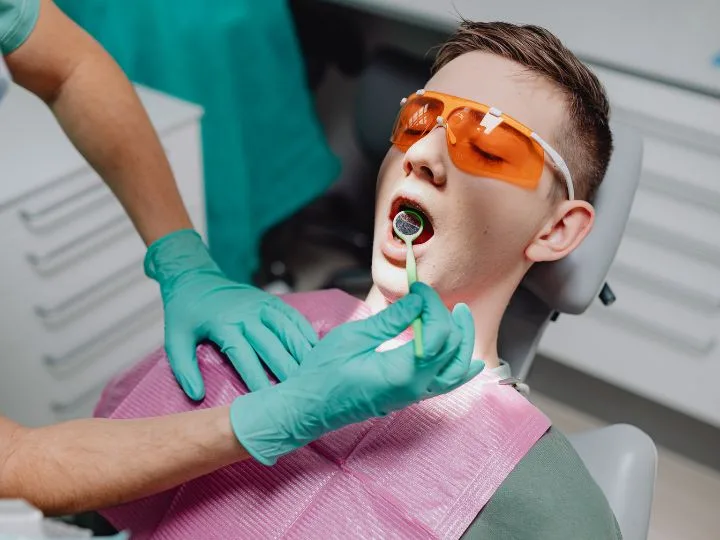
A confident smile can make a lasting impression, but chipped, uneven or stained teeth often affect how people feel about their appearance. Composite bonding has become one of the most popular cosmetic dental treatments because it offers a fast, minimally invasive way to improve the look of your teeth without extensive dental work. If you're considering this treatment, understanding the process can help you feel more confident before your appointment. It's also worth researching the composite bonding Sydney cost, as prices can vary depending on the number of teeth treated, the complexity of the procedure and the experience of the dentist. Knowing what to expect at every stage allows you to make a well-informed decision.
What Is Composite Bonding?
Composite bonding is a cosmetic dental procedure where a tooth-coloured composite resin is applied to the surface of a tooth to improve its appearance. The resin is carefully sculpted, shaped and polished to blend seamlessly with your natural teeth.
Dentists commonly recommend composite bonding to:
- Repair chipped or cracked teeth
- Close small gaps between teeth
- Improve tooth shape
- Cover discolouration or stains
- Make worn teeth appear longer
- Create a more even smile
Unlike veneers or crowns, composite bonding usually requires little to no removal of natural tooth enamel, making it a conservative cosmetic treatment.
Step 1: Initial Consultation
Every successful treatment starts with a thorough consultation. During this appointment, the dentist examines your oral health, discusses your goals and determines whether composite bonding is the right solution.
The dentist may:
- Assess your teeth and gums
- Take photographs
- Discuss smile expectations
- Explain treatment options
- Recommend professional cleaning if required
If you have untreated decay or gum disease, these issues will generally need to be addressed before cosmetic treatment begins.
Step 2: Choosing the Right Shade
One of the most important parts of the process is selecting the correct shade of composite resin.
The dentist compares different shades against your natural teeth to achieve the closest possible match. If you're planning professional teeth whitening, this is usually completed before bonding so the resin can be matched to your brighter smile.
A well-matched shade helps ensure the bonded teeth look completely natural.
Step 3: Preparing the Tooth
Composite bonding is popular because preparation is minimal.
In most cases, the dentist only needs to:
- Clean the tooth thoroughly
- Gently roughen the tooth surface
- Apply a conditioning liquid that helps the resin bond securely
Unlike veneers, injections or drilling are often unnecessary unless the bonding is being used to repair damaged teeth.
This makes the procedure relatively comfortable for most patients.
Step 4: Applying the Composite Resin
Once the tooth is prepared, the dentist carefully applies the composite resin in layers.
Each layer is:
- Placed onto the tooth.
- Carefully sculpted into the desired shape.
- Smoothed to match the surrounding teeth.
This stage requires precision and artistic skill because the dentist recreates the natural contours, edges and texture of your tooth.
Small adjustments are made throughout the process to ensure symmetry and a balanced smile.
Step 5: Hardening the Material
After each layer has been shaped, a special blue curing light is used to harden the composite resin.
The curing process typically takes only a few seconds per layer.
Building the restoration in layers provides several benefits:
- Greater strength
- Better durability
- More natural appearance
- Improved colour depth
The hardened material becomes securely attached to the tooth surface.
Step 6: Shaping and Refining
Once the resin has fully cured, the dentist carefully refines the bonded tooth.
This involves trimming away tiny imperfections and adjusting the shape until it blends naturally with the surrounding teeth.
During this stage, your bite is also checked to ensure the bonded tooth doesn't interfere with normal chewing or speaking.
These finishing touches make a significant difference to the final appearance.
Step 7: Polishing for a Natural Finish
The final step is polishing.
Using specialised polishing discs and polishing paste, the dentist creates a smooth, glossy finish that closely resembles natural enamel.
A polished surface offers several advantages:
- Improved appearance
- Greater stain resistance
- Enhanced comfort
- Easier cleaning
Most patients leave the practice with an immediate improvement in their smile.
How Long Does Composite Bonding Take?
One of the biggest advantages of composite bonding is speed.
Depending on the number of teeth being treated, appointments usually take between 30 minutes and two hours.
Many people complete their smile enhancement in a single visit, making it an attractive option for busy lifestyles.
How Long Does Composite Bonding Last?
With proper care, composite bonding typically lasts between five and ten years.
Its lifespan depends on factors such as:
- Oral hygiene
- Diet
- Smoking habits
- Teeth grinding
- Regular dental check-ups
Although the material is durable, it can chip or stain over time. Fortunately, repairs are often simple and can usually be completed without replacing the entire restoration.
Caring for Composite Bonding
Looking after bonded teeth is straightforward and helps maintain your results for as long as possible.
Good habits include:
- Brushing twice daily with a soft toothbrush
- Flossing every day
- Limiting coffee, tea and red wine
- Avoiding biting hard objects like ice or pens
- Wearing a mouthguard if you grind your teeth
- Visiting your dentist for regular check-ups and cleans
Proper maintenance helps preserve both the appearance and longevity of your bonded teeth.
What Can Affect the Cost?
The price of composite bonding varies between dental clinics and individual treatment plans.
Several factors influence the composite bonding cost, including:
- Number of teeth treated
- Size of each repair
- Complexity of the case
- Dentist's experience
- Clinic location
- Materials used
While it may be tempting to choose the lowest price, experience, quality materials and attention to detail often contribute to better long-term cosmetic outcomes.
Is Composite Bonding Right for You?
Composite bonding is suitable for many people looking to make small to moderate cosmetic improvements.
However, it may not be the best choice if you have:
- Severe tooth damage
- Large fillings
- Significant bite issues
- Active gum disease
- Extensive decay
A professional consultation remains the best way to determine the most appropriate treatment for your individual needs.
Summary
Composite bonding is a straightforward cosmetic procedure that transforms smiles without major dental work. From the initial consultation and shade matching to sculpting, curing and polishing, every step is designed to create natural-looking results while preserving healthy tooth structure. If you're comparing treatment options, it's worthwhile researching the composite bonding Sydney cost alongside the quality of care and experience offered by the clinic. Understanding the overall composite bonding cost and what influences pricing can help you choose the right provider and achieve a smile that looks natural, feels comfortable and lasts for years with proper care.