Modern warehouses often have several work zones, including storage aisles, loading docks, packing stations, offices, and inventory control areas. Each zone depends on a steady network connection to keep daily tasks moving. When these areas share large amounts of data, an old or poorly planned network can slow things down. This is where business fiber optic cable installation in Columbus, OH can help businesses build a network that supports faster data transfer and better communication across the warehouse.
Fiber optic cables use light to carry data, allowing them to move large amounts of information over long distances. With proper planning, they can connect different warehouse zones and help staff, equipment, and software work together more smoothly.
Why Do Multi-Zone Warehouses Need Reliable Data Connections?
A multi-zone warehouse has several activities taking place at the same time. Workers may scan incoming goods while another team prepares orders for shipping. Security cameras monitor key areas, and office staff use inventory systems to track stock levels. All these tasks depend on the network.
If the connection becomes slow or unreliable, workers may face delays when updating records, checking orders, or sharing information. Even a short interruption can affect several teams.
A well-planned fiber network gives businesses a strong foundation for connecting different zones. It can support high data demand while helping information move between key network points without unnecessary delays.
How Does Fiber Optic Cabling Improve Data Transmission?
Fiber optic cables carry data as pulses of light through thin strands of glass or plastic. Unlike traditional copper cables, they can carry large amounts of information over longer distances with less signal loss.
This makes fiber useful in warehouses where equipment and workstations may be spread across a large floor. Instead of relying on long copper cable runs for every connection, businesses can use fiber to link network rooms, switches, and distant work areas.
Commercial fiber optic cable installation in Columbus, OH can help businesses create a network that handles demanding tasks, such as transferring inventory records, sharing large files, and sending video feeds to monitoring systems. However, the actual speed also depends on network equipment, configuration, and the devices being used.
Can Fiber Connect Different Warehouse Zones More Efficiently?
Yes. A warehouse may have separate areas for receiving, storage, packing, shipping, and administration. Each zone may need access to the same inventory database or warehouse management system.
Fiber cabling can connect network switches across these areas, allowing data to travel between zones through a central network. For example, when a worker scans a product in the receiving area, the updated information can reach the inventory system and become available to staff in the packing area.
This type of setup helps teams work with consistent information. It can also make it easier to add new zones or rearrange existing ones as warehouse operations change. The key is to plan cable routes and network connections around the building's layout.
How Does Fiber Support Warehouse Technology?
Warehouses now rely on more than computers and barcode scanners. Many use wireless access points, automated equipment, smart sensors, and security cameras to manage daily work.
Fiber can act as the main connection between network switches and equipment that serves these devices. For instance, wireless access points need a reliable wired connection to carry traffic from mobile scanners and tablets to business systems. Fiber links can connect access points in distant areas through suitable network equipment.
Security systems can also benefit. High-resolution cameras produce large amounts of video data, especially when several cameras operate at once. Fiber can help carry these feeds over long distances to recording or monitoring systems.
Still, fiber does not connect every device directly in all cases. Copper Ethernet cables, wireless connections, and other network components may be used for the final connection, depending on the equipment and distance.
Can Fiber Help Reduce Network Bottlenecks?
Network bottlenecks happen when more data needs to pass through a connection than it can handle efficiently. In a busy warehouse, this may occur when inventory systems, cameras, wireless devices, and office computers all use the network at once.
A fiber connection with enough capacity can help reduce congestion between major network points. As a result, workers may experience fewer delays when accessing shared files or updating records.
However, installing fiber alone will not solve every network problem. Outdated switches, poor Wi-Fi coverage, incorrect settings, or slow software can still affect performance. Businesses should review the full network before deciding where fiber upgrades will have the greatest effect.
What Should Businesses Consider Before Installation?
Before installing fiber, warehouse managers should look at how data moves through the building and which areas need the most reliable connections. Planning ahead can help avoid costly changes later.
Important factors include:
- Warehouse layout: Identify the distance between network rooms, work zones, and separate buildings.
- Current data needs: Review the demands of scanners, cameras, computers, and warehouse systems.
- Future expansion: Allow room for new work areas, equipment, and higher network traffic.
- Cable protection: Choose routes that reduce the risk of damage from forklifts, moving stock, and other warehouse activity.
- Testing and labelling: Test connections and label cables clearly to make future maintenance easier.
Businesses should also consider the right fiber type, compatible network equipment, and any need for backup connections. These choices depend on the site's size, performance goals, and budget.
Why Is Professional Installation Important?
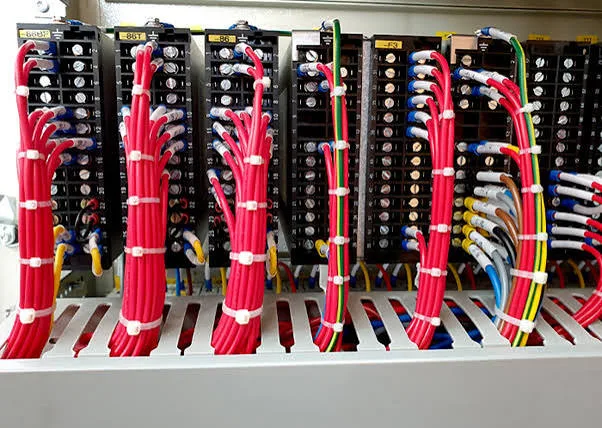
Fiber cables need careful handling. Sharp bends, damaged cable sections, or poorly made connections can affect network performance. A professional installer can assess the building, plan suitable cable routes, and select the right materials for the environment.
Professional work also includes testing connections and documenting the network layout. These steps help technicians identify faults more quickly if a problem occurs later. Clear labelling is especially useful in large warehouses, where many cables may run between different rooms and zones.
For growing facilities, business fiber optic cable installation in Columbus, OH can be part of a long-term network plan rather than a quick fix for slow connections.
Building a Warehouse Network That Can Grow
A multi-zone warehouse needs a network that can keep up with changing work demands. Fiber optic cabling can help connect distant areas, support data-heavy systems, and provide room for future upgrades. When combined with suitable switches, careful planning, and regular maintenance, it can improve communication across the facility.
For businesses reviewing their network needs, commercial fiber optic cable installation in Columbus, OH offers a practical way to prepare for growing data demands. A well-designed system helps warehouse teams share information more reliably and keep daily operations moving.