
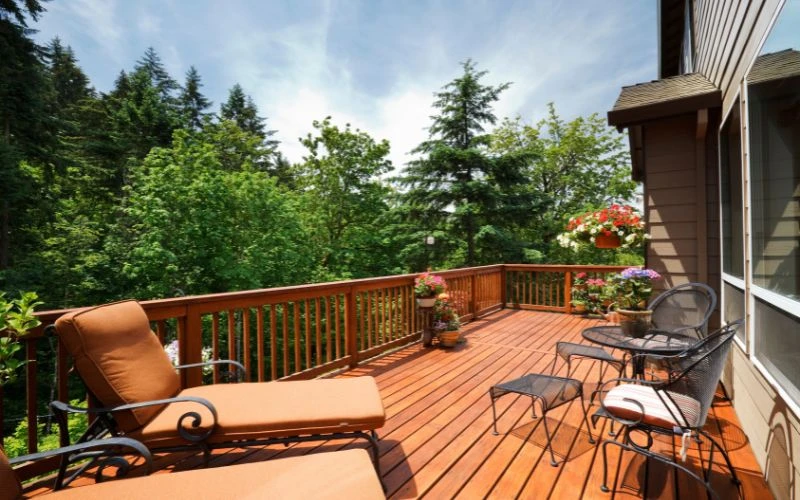
Outdoor living is becoming a defining feature of Australian homes, and the numbers prove it. A recent design study showed that homes with well-planned outdoor areas can increase their usable living space by up to 40%—without the cost of a major structural extension. That shift has pushed backyard decks into focus, especially for homeowners exploring lifestyle-driven improvements such as kitchen and bathroom renovations in Coogee.
A deck may look simple at first glance, but its impact is immediate. Short build times. Long-term value. And a dramatic boost in how people gather, relax, and entertain. Some decks transform small yards into warm, functional hubs. Others act as seamless extensions of the main living room. The best part? Even a modest deck can change how a home feels, works, and flows—day and night.
For those considering home improvements that incorporate family-friendly design, such as cost-effective home renovations in Burwood, this guide examines the impact of a well-designed deck on outdoor entertaining. It also highlights the most important elements and identifies the key locations where deliberate modifications can provide the greatest benefits.
How Does a Deck Improve the Way a Home Functions for Entertaining?
A deck provides you with much more than just an outdoor space. It transforms the backyard, fostering a natural drive to embrace outdoor life.
1. Creates a Defined Entertaining Zone
A deck gives structure to an outdoor area. Instead of a scattered layout, it creates a central point for dining, barbecuing, and social activities.
Advantages
- More purposeful use of the backyard
- Better layout for hosting guests
- Natural connection between inside and outdoors
Drawbacks
- Requires a clear design plan
- Needs safety railings for homes with elevated blocks
2. Accommodates Seating and Functional Features
Decks can incorporate built-in benches, outdoor sofas, plants, and fire pits. It enhances comfort without making the yard feel crowded.
Common Additions
- Seating that's already there.
- Concealed compartments.
- Multi-height platforms
- Space for expansive dining tables or outside grills.
3. Works on Uneven Land
Unlike patios, a deck can be built on sloped or uneven terrain without heavy excavation. This opens options for homes with tricky yard layouts.
4. Expands Liveable Space
A deck operates like an extra room outdoors. Morning coffee, weekend get-togethers, and those late-night dinners all seem to gain something when there's an open-air space involved.
Pros and Cons of Adding a Deck
Pros
- Less expensive than complete additions.
- Rapid setup.
- Enhances the entertainment experience.
- Boosts resale value.
- Ideal for both small and large houses.
Cons
- Needs ongoing maintenance
- Timber choices impact durability
- Weather exposure can affect longevity
FAQ
How Long Does a Deck Usually Last?
A well-constructed deck, depending on its composition, the elements it faces, and how well it's cared for, can endure for fifteen to thirty years.
What Material Works Best for Outdoor Decking?
Composite decking performs well because it resists moisture and fading. Hardwood is popular for its premium look.
Does a Deck Add Value to a Home?
Yes. A well-built deck can increase property appeal and attract buyers seeking functional outdoor living.
Can Decks Be Built Close to Property Boundaries?
Yes, but council rules vary. Some areas require setback distances or approval for elevated platforms.
Conclusion
A well-designed deck can transform outdoor living, making entertaining easier, more comfortable, and more inviting. Whether the goal is quiet weekend relaxation or large gatherings, a deck offers long-lasting value and a clear boost to the way a home flows and functions.