
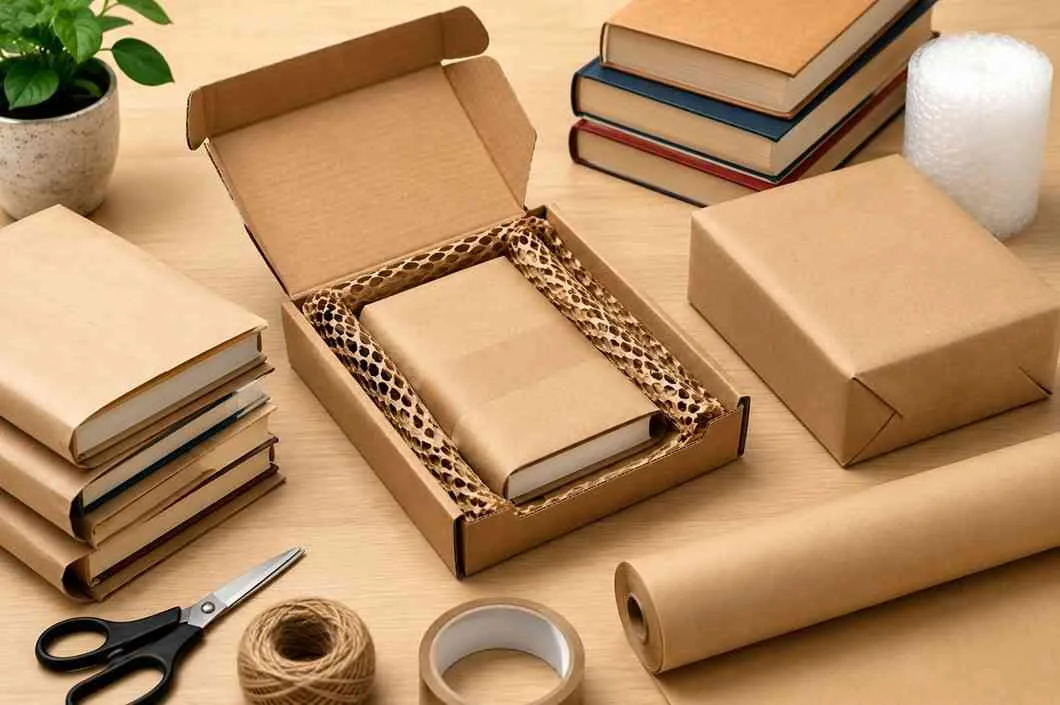
Books are surprisingly easy to damage during transit. Bent corners, torn jackets, moisture exposure, and crushed spines usually result from books being packed too tightly, too loosely, or with the wrong materials altogether.
The problem becomes even bigger when different types of books are packed together without proper protection. Hardcovers, collector’s editions, paperbacks, and glossy coffee-table books all react differently during storage and shipping. A packing method that works for standard paperbacks may damage heavier editions within hours of transport.
That is why professional packaging teams focus less on simply boxing books and more on controlling movement, pressure, and moisture inside the parcel.
Why Does Book Damage Happen So Often During Transit?
Most book damage happens before the parcel even leaves the warehouse. Overfilled cartons, weak sealing, and poor cushioning create pressure around the edges and spine during handling.
Books are also heavier than people expect. Once multiple editions are packed together, ordinary cartons often weaken under the weight. Logistics teams handling publishing shipments usually rely on reinforced packing methods because even small corner damage immediately affects resale value.
Protective layers, proper spacing, and durable outer wrapping all play an important role in keeping books in good condition during delivery.
What Materials Help Protect Books During Shipping?
Corrugated Mailing Cartons
Books need rigid outer protection, especially during long-distance shipping. Strong corrugated cartons help prevent bending, crushing, and edge damage while parcels move through sorting centres and delivery vehicles.
Packaging specialists usually recommend smaller cartons for heavier books because oversized boxes become difficult to handle safely.
For safer packing:
- Keep heavier books at the bottom
- Avoid overfilling cartons
- Fill empty spaces to reduce movement
- Reinforce the base before sealing
Well-sized cartons also help reduce unnecessary shifting inside the package.
Protective Inner Wrapping
Direct friction between books often causes scratches, torn covers, and bent edges during transit. Protective inner wrapping creates a softer layer between the books and the outer carton.
Many businesses still rely on brown parcel paper because it cushions surfaces while helping prevent dust exposure during storage and transport.
This type of wrapping works particularly well for:
- Hardcover editions
- Textbooks
- Vintage books
- Gloss-finish covers
Books with laminated jackets benefit from softer wrapping because glossy surfaces scratch more easily during movement.
Flexible Cushioning Layers
Fragile collector’s editions and presentation books usually require more than just paper wrapping. Flexible cushioning layers help absorb impact while reducing pressure around the spine.
Professional shipping teams often combine foam cushioning with parcel wrap for added protection during longer delivery routes.
This method is commonly used for:
- Limited editions
- Art books
- Photography collections
- Antique books
Layered cushioning becomes especially important when books are shipped together with heavier products.
How Should Different Book Covers Be Packed?
Hardcover Editions
Hardcovers are durable, but the corners and spine can still suffer damage during transport. Tight packing pressure often causes dented edges or split jackets.
For hardcover protection:
- Wrap each book separately
- Keep corners padded
- Avoid stacking too tightly
- Use rigid outer cartons
Publishing warehouses frequently separate collectors’ hardcovers from regular stock because resale condition matters heavily in premium book sales.
Paperback Books
Paperbacks bend much more easily than hardcover editions. Moisture and pressure usually affect them first during transit.
For paperback protection:
- Keep books upright where possible
- Use moisture-resistant outer layers
- Avoid placing heavy products above them
- Add internal fillers to prevent sliding
Many online booksellers use lightweight cushioning for paperbacks because flexibility matters more than heavy wrapping.
Collector’s and Gloss Editions
Collector’s editions require extra care because surface marks instantly reduce presentation quality. Gloss-finish covers also scratch more easily during handling.
Protective book wraps are commonly used for premium editions because they help shield delicate covers from friction and pressure marks during storage and transport.
Luxury publishing companies often use layered wrapping methods for premium releases because presentation condition directly affects customer satisfaction.
Why Does Sealing Matter Just as Much as Wrapping?
Even a strong carton can become unreliable if the seal fails during transport. Loose flaps and weak tape are common reasons why parcels split open during handling.
Professional packaging teams usually reinforce stress points carefully before shipping heavier book orders.
For stronger carton sealing:
- Double-seal the bottom of heavy cartons
- Reinforce corners properly
- Press adhesive surfaces firmly
- Avoid gaps between flaps
Reliable sealing improves both stacking strength and transport safety.
What Packaging Habits Help Reduce Transit Damage?
Experienced warehouse teams usually follow a few simple rules when packing books:
- Never mix books with sharp objects
- Avoid oversized cartons for heavy loads
- Keep moisture-sensitive editions wrapped properly
- Use cushioning around corners and edges
- Separate valuable editions from standard stock
Strong packaging materials do more than protect books physically. They also help preserve presentation quality, which is especially important for publishers, collectors, and online retailers.
Conclusion
Books may look durable on a shelf, but transit conditions can damage them quickly without the right protection. Bent corners, scratched covers, and weakened spines are usually the result of poor packing rather than poor handling alone.
Strong cartons, layered cushioning, protective wrapping, and careful sealing all help books arrive in far better condition. In publishing and retail industries, good packaging is not simply about shipping products safely. It protects the book's value long before the parcel is opened.