
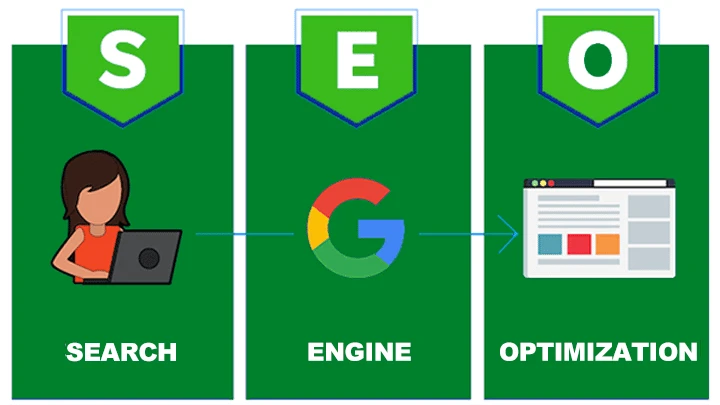
In the rapidly evolving digital landscape, ensuring your website is optimized for search engines is essential to attracting organic traffic and establishing a strong online presence. Search engine optimization (SEO) involves a strategic approach to making your website more visible and accessible to users searching for relevant information.
Properly optimized content not only improves rankings on search engine results pages (SERPs) but also enhances user experience, leading to higher engagement and conversions. As competition intensifies, understanding the key tactics to optimize website content becomes crucial for businesses, bloggers, and digital marketers alike. This comprehensive guide will walk you through the most effective strategies to optimize your website content for search engines and achieve sustainable online growth.
Conducting Keyword Research
Effective SEO begins with thorough keyword research. Search engines rely heavily on keywords to understand what your content is about and match it with user queries. When optimizing website content, identifying the right keywords ensures that your content reaches the right audience at the right time.
Keyword research involves analyzing popular search terms related to your niche, assessing their search volume, competition level, and relevance to your offerings. Tools like Google Keyword Planner, SEMrush, and Ahrefs can assist in uncovering high-value keywords that align with your goals.
Incorporating these keywords naturally into your content helps improve visibility without compromising readability or user experience.
- Use keyword research tools to identify high-volume, low-competition keywords.
- Focus on long-tail keywords that are specific and less competitive.
- Prioritize keywords that match user intent—whether informational, navigational, or transactional.
- Regularly update your keyword list based on industry trends and performance data.
- Integrate primary keywords into titles, headings, meta descriptions, and throughout the body text seamlessly.
Optimizing around targeted keywords ensures that your content aligns closely with what users are searching for. When done correctly, this strategy boosts your chances of ranking higher in SERPs while providing value to visitors seeking relevant information.
Crafting High-Quality Content
Search engines favor websites that deliver valuable, engaging, and well-crafted content. Creating high-quality content involves more than just inserting keywords; it requires delivering comprehensive answers to user questions while maintaining readability and professionalism.
Quality content should be original, well-researched, properly structured, and free of grammatical errors. It should also provide actionable insights or solutions that meet the needs of your target audience.
Engaging content encourages longer site visits and sharing across platforms—factors that positively influence rankings.
- Develop in-depth articles that thoroughly cover topics relevant to your audience.
- Use clear headings and subheadings to improve readability.
- Incorporate visuals such as images, infographics, or videos to enhance engagement.
- Ensure all information is accurate by citing credible sources when necessary.
- Write in a professional tone that resonates with your target demographic.
- Keep content updated regularly to maintain relevance.
- Include calls-to-action (CTAs) guiding users towards desired outcomes.
High-quality content establishes authority in your niche while satisfying both users and search engines. Consistently delivering value builds trust over time and encourages repeat visits.
Optimizing On-Page Elements
On-page SEO encompasses all elements within a webpage that influence its search engine ranking. Proper optimization of these components makes it easier for search engines to crawl and index your site effectively.
Key on-page elements include title tags, meta descriptions, header tags (H1-H6), URL structure, image alt text, and internal linking strategies. When optimized correctly, these elements communicate clearly what each page offers and how it relates to targeted keywords.
- Write compelling title tags incorporating primary keywords within 60 characters.
- Create unique meta descriptions that accurately summarize page content within 150–160 characters.
- Use header tags strategically to organize content hierarchically; H1 for titles followed by H2-H6 for subsections.
- Structure URLs cleanly with descriptive words separated by hyphens instead of numbers or symbols.
- Add descriptive alt text to all images using relevant keywords where appropriate.
- Implement internal links connecting related pages within your site to improve navigation and crawlability.
- Ensure mobile responsiveness and fast loading times as part of overall on-page optimization.
Fine-tuning these elements enhances both user experience and search engine understanding of your website’s structure—a vital aspect of successful SEO.
Improving Site Speed
Website speed is a critical ranking factor because it directly impacts user experience. Slow-loading sites frustrate visitors and increase bounce rates—both negative signals for search engines aiming to provide the best results for users.
Optimizing site speed involves reducing load times through various technical improvements like compressing images, leveraging browser caching, minimizing code (HTML/CSS/JavaScript), and using reliable hosting services.
- Compress images using modern formats like WebP without sacrificing quality.
- Minimize HTTP requests by reducing external scripts or combining files where possible.
- Enable browser caching so returning visitors experience faster load times.
- Optimize CSS delivery by placing critical styles inline or asynchronously loading non-essential CSS.
- Use Content Delivery Networks (CDNs) geographically closer to your audience for faster delivery.
- Regularly audit site performance using tools like Google PageSpeed Insights or GTmetrix.
Fast websites not only rank higher but also provide seamless experiences that encourage visitors to stay longer. Investing in speed optimization yields both immediate SEO benefits and long-term user satisfaction.
Building Backlinks Strategically
Backlinks remain one of the most influential off-page SEO factors because they serve as votes of confidence from other reputable sites. Building a robust backlink profile involves acquiring links from authoritative sources within your industry or niche. These backlinks signal credibility and trustworthiness to search engines—factors critical for climbing SERPs rankings.
- Reach out for guest posting opportunities on respected blogs related to your field.
- Create shareable resources like infographics or comprehensive guides that others want to reference.
- Engage with influencers or industry leaders who can link back organically through collaborations or mentions.
- Participate actively in online communities such as forums or social media groups with relevant links back when appropriate.
- Monitor backlinks using tools like Ahrefs or Moz Link Explorer; disavow spammy links that could harm your reputation.
A strategic backlink-building campaign fosters authority over time while avoiding penalties associated with manipulative link schemes. Focused efforts in this area significantly enhance overall site authority.
Ensuring Mobile Optimization
With mobile devices accounting for an increasing portion of web traffic, optimizing for mobile is no longer optional but mandatory for effective SEO. Mobile optimization involves designing responsive layouts that adapt seamlessly across different screen sizes while maintaining functionality and aesthetic appeal.
A mobile-friendly site improves usability—making navigation simple—and satisfies Google’s mobile-first indexing policies.
- Use responsive design frameworks such as Bootstrap or Foundation for flexibility across devices.
- Test pages across multiple devices using tools like Google’s Mobile-Friendly Test tool.
- Simplify menus with collapsible options suitable for smaller screens.
- Ensure touch elements are easy to tap without accidental clicks by enlarging buttons appropriately.
- Optimize images further by serving scaled versions tailored for mobile devices without sacrificing quality.
Mobile optimization directly influences bounce rates; visitors are more likely to stay engaged if they find a website easy-to-use on their device. This attention improves rankings since search engines prioritize mobile-friendly websites in results pages.
Utilizing Structured Data Markup
Structured data markup helps search engines better understand the context of your webpage’s content by adding semantic meaning through schema.org vocabulary tags. Implementing structured data enhances how your listings appear in SERPs via rich snippets—such as reviews, ratings, events, products, etc.—which can significantly boost click-through rates (CTR). Proper use of schema markup clarifies relationships between different elements on a page beyond plain text descriptions.
- Add schema markup for reviews if you have customer testimonials displayed publicly.
- Use product schema markup on e-commerce pages showing product details like price or availability.
- Implement event schema markup if promoting webinars or local events associated with your business.
- Mark up articles with author information and publication date via article schema types.
By providing clearer signals about page content contextually aligned with user searches, structured data contributes positively toward higher rankings while making listings more attractive in SERPs.
Monitoring Performance & Making Data-Informed Adjustments
Continuous monitoring allows you to assess whether SEO efforts are yielding desired results—and adjust strategies accordingly. Using analytics platforms like Google Analytics coupled with Search Console provides insights into traffic sources, bounce rates, conversion metrics, keyword performance, and indexing issues. Regular audits help identify areas needing improvement before they negatively impact rankings.
• Track key performance indicators such as organic traffic growth over time
• Analyze which keywords drive traffic most effectively
• Monitor crawl errors reported via Search Console
• Assess bounce rates on different landing pages
• Adjust existing strategies based on data trends—such as updating underperforming pages or refining keyword targeting
Data-driven decision-making enables ongoing refinement of SEO tactics—ensuring sustained visibility while adapting swiftly to algorithm updates or changing market conditions.
Elevating Your Website’s Visibility: The Power of Strategic Optimization
Optimizing website content for search engines demands a multifaceted approach combining technical proficiency with compelling storytelling tailored specifically towards targeted audiences. By conducting diligent keyword research alongside crafting high-quality material enriched by well-tuned on-page elements—including site speed enhancements—and building authoritative backlinks—you set a solid foundation toward achieving higher rankings in SERPs.
Furthermore, prioritizing mobile-friendliness ensures accessibility across diverse devices; supplementing this effort through structured data markup amplifies visibility via enhanced listings—all supported continually by performance monitoring tools enabling timely adjustments based on real-world data insights.
Implementing these comprehensive tactics positions any website not merely among competitors but ahead—increasing organic reach exponentially while delivering exceptional value precisely where users seek it most. With consistent effort grounded in best practices outlined here today—and ongoing analysis—you can unlock significant growth opportunities within the vast digital landscape ahead efficiently yet sustainably.