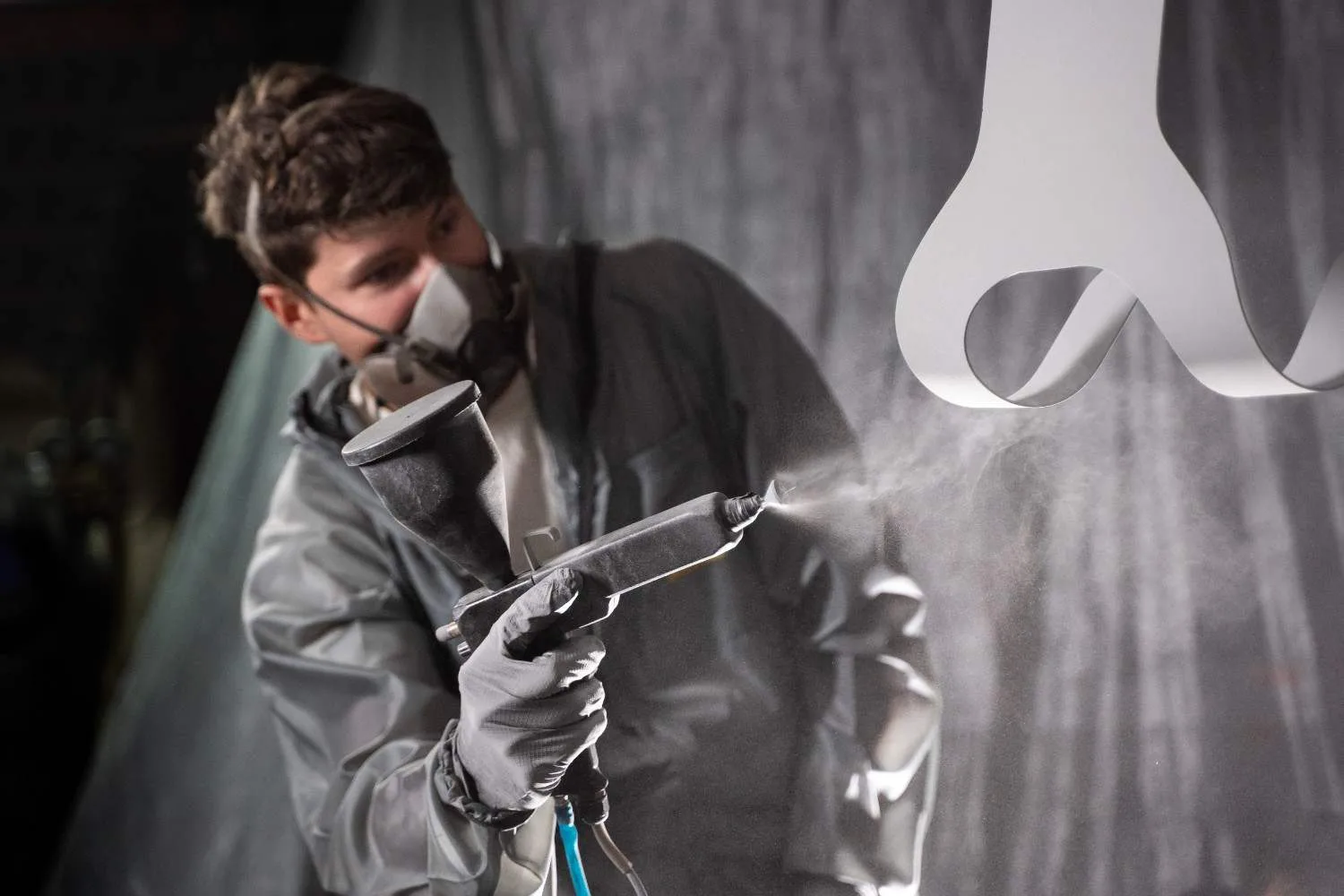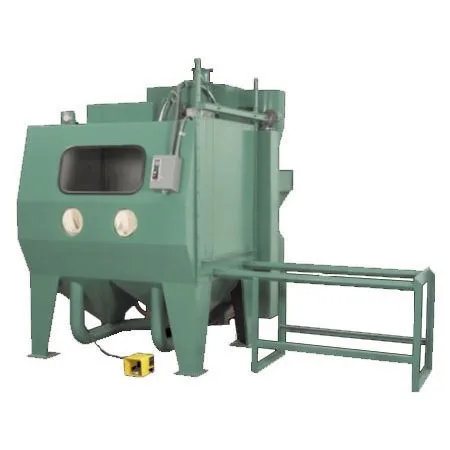
Choosing abrasive blasting equipment starts with understanding the material being treated, the type of surface preparation required, and the abrasive media needed to achieve the desired result. The right equipment should match the application, production volume, available workspace, and operating requirements. Different blasting systems are designed for different tasks, from removing coatings and contaminants to preparing surfaces for painting or other finishing processes.
Before selecting a sandblasting machine, consider how the equipment will be used, which abrasive it will handle, and what level of control the job requires.
What Factors Should You Consider When Choosing Abrasive Blasting Equipment?
The most important factors are the workpiece material, surface preparation objective, abrasive media, production needs, and equipment configuration. Evaluating these requirements helps narrow down the available blasting systems and avoid choosing equipment that is unsuitable for the application.
1. Identify the Surface Preparation Task
Start by defining the purpose of blasting. Common applications include removing rust, stripping paint, cleaning contaminants, preparing surfaces for coatings, and creating a specific surface profile.
Heavy coating removal may require a different setup from delicate cleaning or applications where preserving the underlying surface is essential. The equipment and abrasive should therefore be selected according to the workpiece and the desired finish.
2. Choose the Appropriate Abrasive Media
Abrasive media influence cutting action, surface texture, cleaning performance, and the risk of damaging the workpiece. Different materials have different characteristics.
- Aluminum oxide: A hard, angular abrasive commonly used for aggressive cleaning and surface preparation.
- Glass beads: Often selected for cleaning and applications requiring a smoother, more uniform finish.
- Crushed glass: An angular abrasive used for cleaning, coating removal, and surface preparation.
- Plastic abrasives: Used in suitable applications where coatings need to be removed while minimizing damage to the underlying substrate.
- Steel shot and steel grit: Used for selected metal cleaning and finishing applications, depending on particle shape and process requirements.
The abrasive must also be compatible with the blasting equipment. Check the machine manufacturer's recommendations for suitable media types, particle sizes, and operating conditions.
3. Understand the Different Blasting Systems
Different blasting systems deliver abrasive media in different ways. Understanding the main equipment configurations can help you choose one that fits your process.
Pressure blasting systems use a pressurized vessel to propel abrasive media toward the work surface. They may be suitable for applications requiring productive material removal and surface preparation, depending on the system configuration and operating conditions.
Suction blasting systems use airflow to draw abrasive media into the blasting stream. They can be appropriate for selected cleaning and finishing tasks where the system's performance meets the application's requirements.
Portable blasting equipment can be useful when components or work areas are too large or impractical to bring into a fixed blasting setup. Suitability depends on site conditions, the equipment design, and the required containment and dust-control arrangements.
When comparing blasting systems, evaluate the required air supply, abrasive delivery method, media recovery needs, and the size and type of components being treated.
4. Match Equipment Capacity to Production Needs
Production volume affects equipment selection. A system used for occasional maintenance work may have different requirements from one supporting continuous industrial production.
Consider component dimensions, batch size, operating frequency, loading and unloading, and the time available for each job. Also assess whether the equipment can maintain the required results under typical operating conditions.
Choosing a system based only on its initial purchase price may overlook other important factors, including abrasive consumption, maintenance, compressed-air requirements, and operator time.
5. Consider Operator Safety and Workplace Requirements
Abrasive blasting can create airborne dust and expose operators to noise and other workplace hazards. Equipment selection should account for appropriate containment, ventilation, dust collection, personal protective equipment, and the abrasive's safety data.
Check applicable workplace regulations and the equipment manufacturer's safety instructions. Where blasting involves hazardous coatings or contaminants, evaluate the required controls before starting work.
How to Compare Sandblasting Equipment Before Buying
When comparing sandblasting equipment, look beyond the machine's name or advertised capacity. Review the system's compatibility with your abrasive, operating pressure and air requirements, available controls, maintenance needs, and any recovery or dust-collection equipment required for the application.
It is also useful to identify the finish you need and test the proposed process on a representative workpiece. A controlled trial can help determine whether the selected media and equipment achieve the required cleaning performance and surface condition.
The best equipment is not necessarily the largest or most powerful system. It is the one that meets the application's technical requirements while supporting safe, consistent, and efficient operation.
Explore Abrasive Blasting Equipment Options
Selecting equipment becomes easier when the surface preparation task, abrasive type, production volume, and workplace requirements are clearly defined. These factors provide a practical basis for comparing equipment configurations and identifying a suitable system.
Kramer Industries offers blasting equipment for industrial surface preparation applications. Explore the available abrasive blasting equipment to review the systems and determine which options may fit your application.
Conclusion
Choosing abrasive blasting equipment requires a clear understanding of the workpiece, surface preparation goals, abrasive media, production demands, and safety requirements. Pressure, suction, and portable blasting systems can serve different applications, so compare their capabilities against your actual operating needs. By evaluating equipment compatibility and testing the process where appropriate, you can make a more informed decision about the right blasting system for your operation.