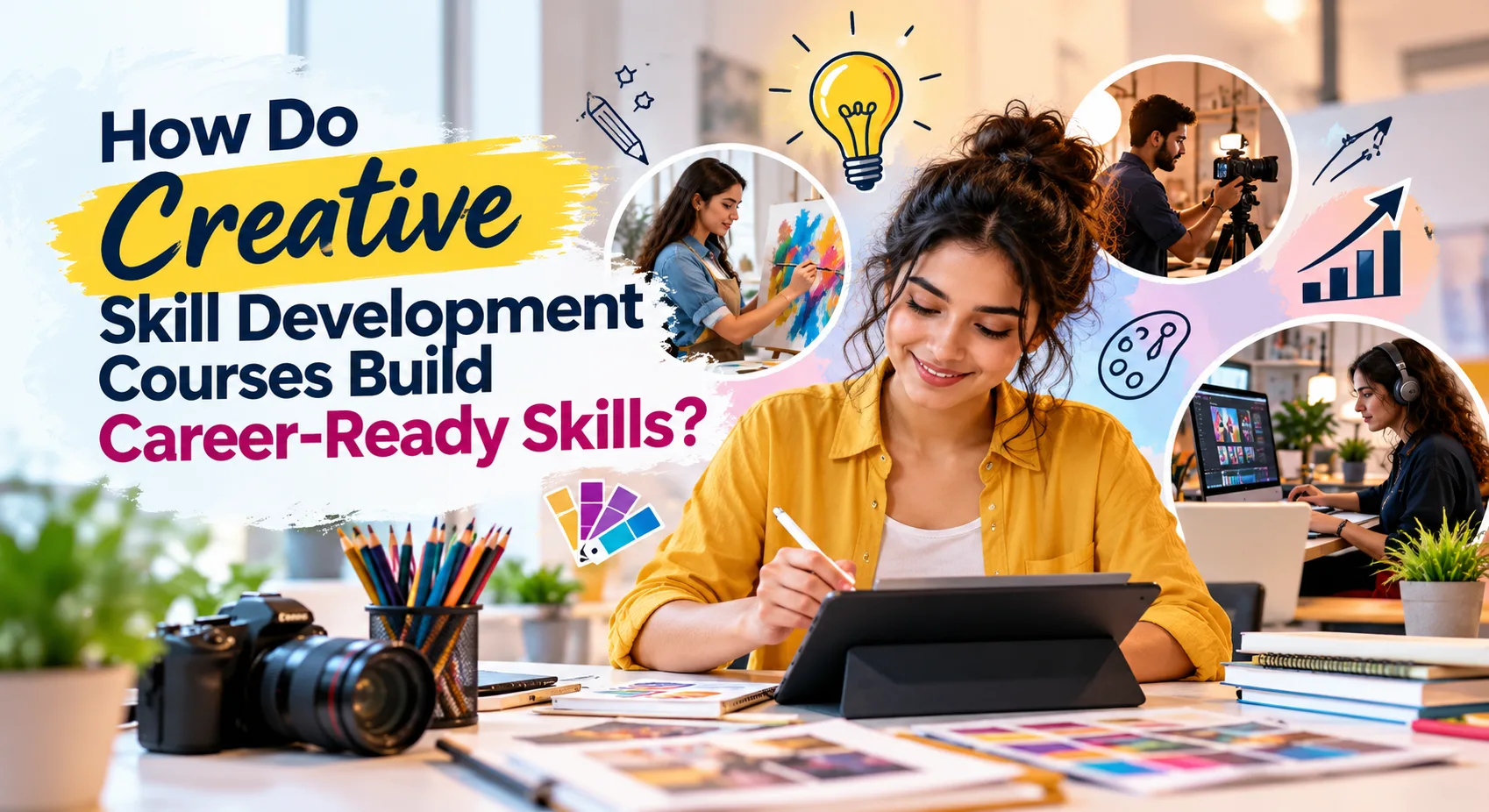
Creative careers are becoming increasingly important as businesses look for professionals who can combine technical knowledge with imagination, communication, and practical problem-solving. Traditional education can provide a strong foundation, but practical creative training helps learners apply their knowledge to real-world situations. Structured courses can introduce students to modern tools, professional workflows, and industry expectations while allowing them to develop their individual strengths.
For learners looking to build practical abilities, Creative Skill Development Courses in Dubai can provide opportunities to explore areas such as design, digital content, communication, visual arts, and other creative disciplines. These courses are generally designed to help learners move beyond theoretical concepts and develop skills through projects, exercises, and practical assignments.
Building Practical Knowledge
One of the main benefits of creative skill development is the opportunity to learn through practical work. Instead of only studying concepts, learners can work on projects that reflect situations they may encounter in professional environments. This approach can improve their ability to understand requirements, plan their work, solve problems, and present completed projects effectively.
Practical learning also helps students identify their strengths and areas that require improvement. Regular assignments and feedback can make the learning process more structured and measurable.
Improving Creative Thinking
Creative thinking is useful across many industries. Professionals often need to develop fresh ideas, find alternative solutions, and adapt their approach according to changing requirements.
Creative courses can encourage learners to experiment with different ideas rather than relying on a single method. Activities such as brainstorming, concept development, visual planning, and project creation can help students become more comfortable with exploring possibilities.
This ability is valuable not only for traditionally creative professions but also for marketing, business, technology, education, media, and communication roles.
Developing Digital Skills
Modern creative work is closely connected with digital technology. Depending on the course, learners may become familiar with software, online platforms, digital design methods, content creation tools, presentation techniques, or other technologies used in professional environments.
Learning these tools through guided practice can make it easier for students to understand how technology supports creative processes. It can also help them become more confident when working on independent projects or collaborating with others.
Strengthening Communication and Collaboration
Creative professionals rarely work completely alone. Many projects require communication with clients, managers, colleagues, or other specialists. As a result, communication and teamwork are important parts of career preparation.
Course projects can give learners opportunities to explain their ideas, receive feedback, make revisions, and work with others. These experiences can improve presentation skills and teach students how to respond constructively to different opinions.
Creating a Professional Portfolio
A portfolio can be an important part of a creative career because it demonstrates what a learner can actually produce. Certificates can show that a course has been completed, but a well-organized portfolio can provide practical evidence of skills.
Students can use course projects to begin building a portfolio that demonstrates creativity, technical ability, attention to detail, and problem-solving. Over time, they can improve these projects and add professional or personal work that reflects their growing experience.
Supporting Career Growth
Creative skill development can support different career paths depending on a learner's interests and previous experience. Some people may use training to prepare for their first creative role, while others may want to strengthen existing professional skills or explore a new field.
The value of a course depends on factors such as curriculum quality, practical exposure, instructor experience, project opportunities, and the relevance of the skills being taught. Learners should therefore consider their career objectives before selecting a program.
Choosing the Right Course
Before enrolling, learners should review the course structure, duration, learning outcomes, practical components, and assessment methods. It is also useful to understand whether the program focuses on beginner-level knowledge or more advanced professional skills.
A suitable course should match the learner's current abilities and future goals. Checking the topics covered and the type of projects included can help learners choose training that provides meaningful practical experience.
Also Read :- Fun and Effective Phonics Activities to Support Early Reading at Home
Conclusion
Creative education can help learners develop a combination of practical, technical, communication, and problem-solving abilities that are useful in modern workplaces. With the right training approach, students can turn creative interests into structured skills and gradually build professional confidence. Institutions such as IBPTI can support learners by providing opportunities to develop relevant knowledge and prepare for changing career requirements.