Contractors prevent mistakes during open cell spray foam insulation work by maintaining strict temperature controls and ensuring the substrate is completely dry. They follow specific mixing ratios and use calibrated equipment to keep the chemical reaction stable. These steps ensure the foam expands correctly and adheres to the surface without pulling away.
Proper ventilation and site preparation also stop overspray from damaging finished surfaces. Experienced teams monitor environmental conditions throughout the day because changes in humidity can ruin the foam’s cell structure. This guide explains the technical steps and quality checks professionals use to deliver a high-quality insulation job.
Our look at these methods comes from years of observing field applications and industry standards. Understanding these safety and quality protocols helps you know what to look for when hiring a team for your project.
Managing Temperature and Humidity for Proper Expansion
Temperature is the most common factor that leads to spray foam failure. Contractors use heaters to keep the liquid chemicals within a specific range, usually between 100 and 130 degrees Fahrenheit. If the chemicals are too cold, they will not mix properly, which leads to "crunchy" or soft foam that lacks insulating power.
Humidity also matters because moisture in the air reacts with the chemicals. Professional teams use hygrometers to check the moisture content of the wood or metal before they start. If the surface is too damp, the foam will fail to stick, causing gaps that allow air to leak through your walls.
Bonus Tip: Ask your contractor if they use a moisture meter on the studs before spraying. A reading below 19% is generally required for a safe application.
Calibrating Equipment to Maintain the Chemical Mix
Open cell foam consists of two parts that must meet at a perfect one-to-one ratio. Contractors prevent mistakes by checking their proportioner machines constantly. These machines have pressure gauges that show if one side of the mix is lagging behind the other.
If the pressures are uneven, the foam might become "B-rich" or "A-rich." This results in a material that never fully cures or remains sticky. Qualified installers perform a "test shot" into a waste container to check the color and texture before they touch your walls.

Preparing the Work Site to Avoid Overspray Damage
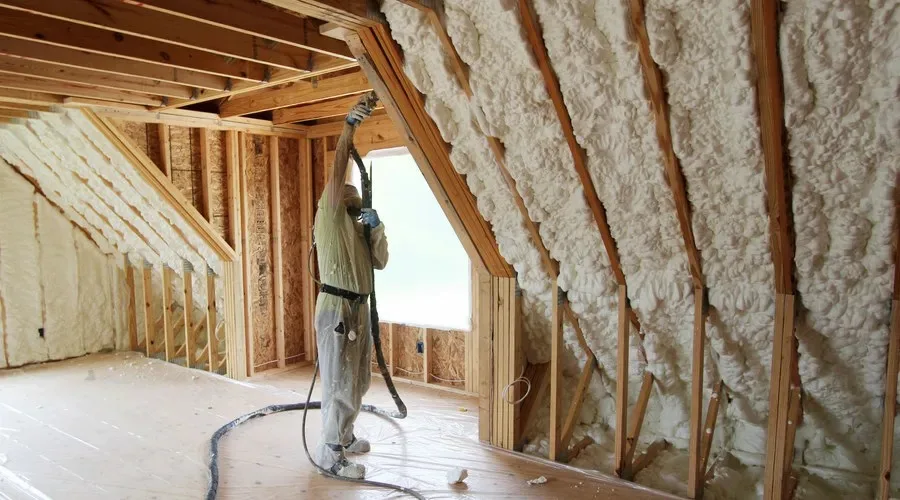
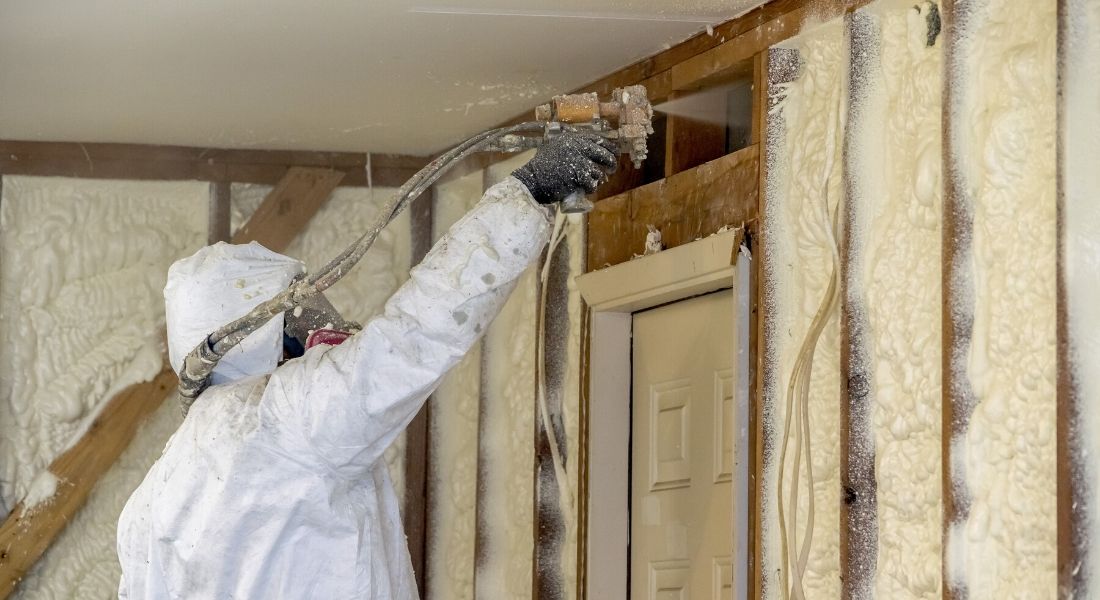
Spray foam travels through the air easily and sticks to almost anything it touches. Contractors prevent costly errors by masking off windows, doors, and finished floors with plastic sheeting and tape. They also clear the area of any furniture or equipment that could be ruined by stray particles.
They also set up high-powered fans to create negative air pressure. This keeps the fumes and dust from drifting into other parts of the building. By controlling the airflow, they protect both the property and the people who will occupy it later.
Why Does Proper Layering Prevent Foam Shrinkage?
When foam is applied too thickly in a single pass, it generates internal heat. This heat can cause the foam to pull away from the studs as it cools, creating voids. Contractors prevent this by spraying in controlled lifts, usually between two and six inches at a time.
This method allows each layer to cool and stabilize before the next one is added, ensuring the foam stays flush against the framing. This is especially important in corners and tight spaces where heat can build up quickly. The following standards summarize the technical requirements necessary for a successful application:
Technical Standards for Open Cell Applications

Monitoring the Curing Process for Odor Control
A common mistake in the industry is failing to manage the off-gassing period. Contractors prevent lingering odors by maintaining ventilation for 24 to 48 hours after the job is completed. They ensure the chemicals have reached the right temperature to react fully, as unreacted material is the primary cause of persistent smells.
They also inspect the foam for "shadowing" or off-white patches. These visual cues indicate if a section failed to cure correctly. If they find a bad spot, they cut it out and re-spray it immediately rather than leaving a weak point in your insulation.
Training and Certification for Safety Compliance
Mistakes are often the result of a lack of knowledge. Professional companies invest in manufacturer training for their crews because every product behaves slightly differently. These certifications teach installers how to handle the specific chemistry of the brand they are using, which is vital for a safe application.
Bonus Tip: Look for contractors who carry labels from the Spray Polyurethane Foam Alliance (SPFA). This shows they have passed written and practical exams on safety and application.
How to Evaluate Your Insulation Options Before Hiring
Before you sign a contract, you should look at the specific needs of your building. Not every climate or structure is a perfect fit for open-cell foam. You want to make sure the team you hire understands local building codes and R-value requirements for your specific area.
- Check if the contractor provides a written warranty on both labor and materials.
- Ask for a detailed list of the products they plan to use.
- Verify that they have experience with the specific type of structure, such as a crawlspace or a finished attic.
- Confirm they have the right insurance to cover chemical applications.
Using Proper Tooling for a Flush Finish
Once the foam expands, it often sticks out past the wall studs. Contractors use specialized saws or "scrubbers" to trim the foam flat. If this is done poorly, it can make it difficult for the drywall team to hang boards straight.
Preventing this mistake involves using long, sharp blades that create a smooth surface. They also clean up the waste material immediately. Open-cell foam debris is light and can get into HVAC vents if it isn't bagged and removed right away. These finishing touches are even more critical when regional climate factors are at play.
Why Is Climate Knowledge Essential for Spray Foam Success?
In regions with high humidity or extreme temperature swings, the behavior of the foam changes. Contractors in the Pacific Northwest, for example, must be careful with wood moisture because of the frequent rain. They often use industrial dehumidifiers to prep a site if the framing has been exposed to the elements. This regional expertise prevents the foam from delaminating months after the job is finished.
Finding Help for Your Insulation Project and Getting a Free Quote
If you are looking for a reliable team to handle your insulation needs, reaching out to a professional service provider is the best way to ensure the job is done right. Cascadia Spray Foam Insulation of Seattle specializes in high-quality applications that focus on safety and long-term performance. You can contact them at (425) 386-3500 or send an email to [email protected] to discuss your project. Their team can provide a free quote and help you understand the best options for your home or business. It is always better to work with experienced professionals who have the right equipment and training to prevent the common mistakes associated with spray foam.
Summary of Best Practices for Successful Results
To achieve a durable result, contractors strictly adhere to technical data sheets, focusing on temperature control, moisture testing, and precise equipment calibration. These measures ensure the foam expands and adheres as intended while protecting the property from damage through proper masking and ventilation. By choosing a certified team that prioritizes these technical details and safety protocols, you ensure your insulation remains effective for decades.
Common Questions About Professional Spray Foam Installation
How can you tell if the foam was mixed incorrectly?
If the foam stays soft, feels greasy, or has a very dark color, the mix was likely off. It should be firm to the touch and have a consistent light cream or white color once it cures.
Why do some spray foam jobs have a strong smell?
A lingering smell usually means the chemicals were too cold or didn't mix at the right ratio, leaving unreacted material behind. Proper ventilation during and after the job prevents this.
Can spray foam be applied if it is raining outside?
It can be applied if the interior of the building is dry and the humidity levels are controlled. However, if the rain is making the studs wet, the contractor must wait for them to dry.
Is it normal for foam to pull away from the wood?
No, the foam should stay tightly bonded to the studs. If it pulls away, it usually means the surface was dirty, wet, or the foam was sprayed in a layer that was too thick.
Do contractors need to wear masks during the process?
Yes, installers must wear full-face fresh-air respirators and protective suits. This prevents them from inhaling fumes and keeps the chemicals off their skin during the application.