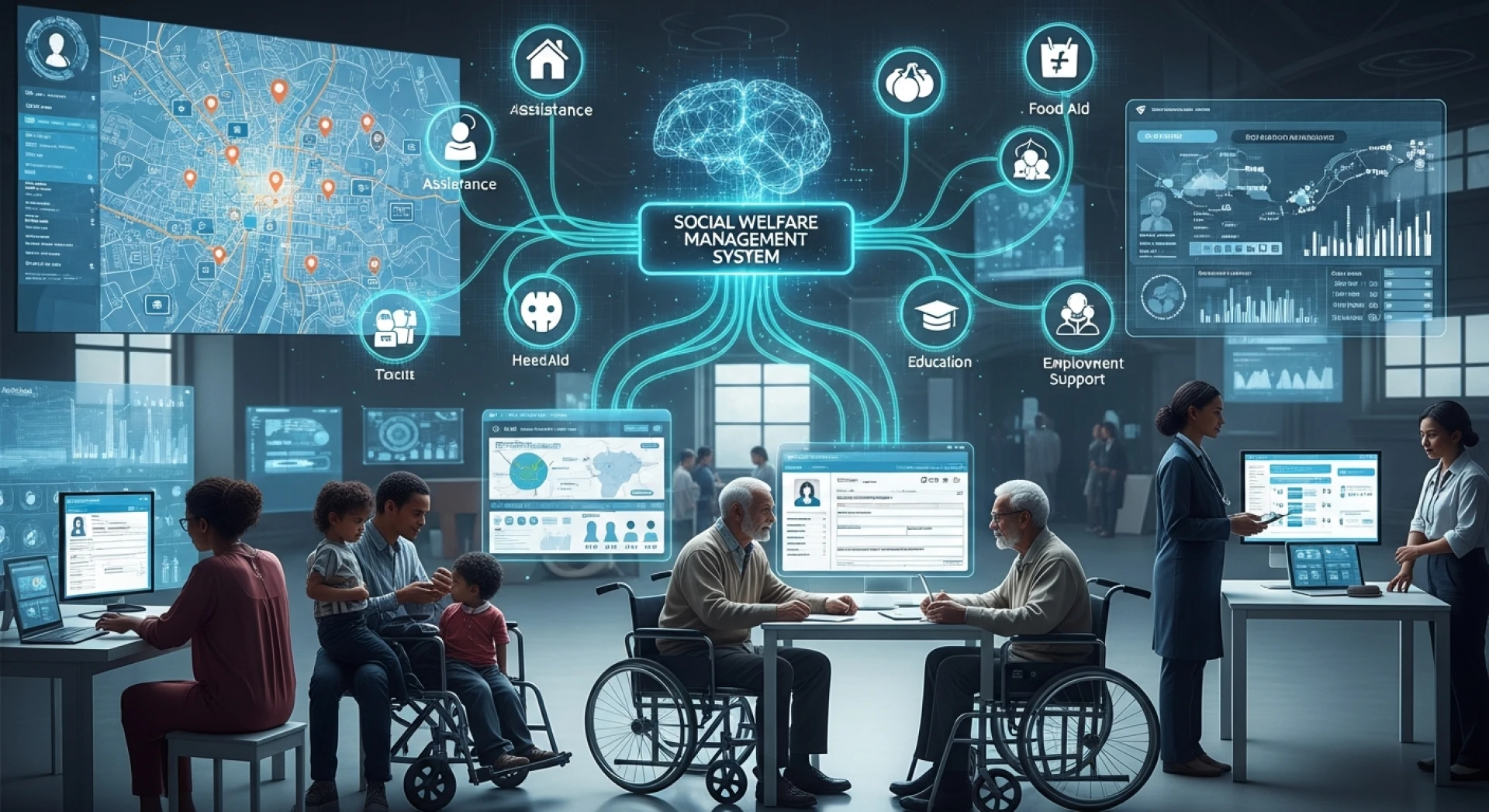
Accessing public assistance programs can often be challenging for citizens due to fragmented processes, manual verification, and slow administrative workflows. Governments increasingly rely on social welfare management systems to streamline these processes, enabling faster, more efficient service delivery. By integrating digital platforms, administrators can monitor applications, verify eligibility, and distribute resources with greater accuracy, ensuring that aid reaches the communities that need it most. These systems also reduce paperwork, minimize errors, and provide a clear, transparent pathway for both citizens and officials.
Streamlining Application Processes
Digital tools simplify how citizens interact with social services. Integrated platforms allow users to submit applications online, track the status of requests, and receive timely notifications regarding approvals or pending actions. By automating routine verification and data entry tasks, these systems reduce administrative bottlenecks and accelerate the delivery of essential services. This ensures citizens experience minimal delays and can access support efficiently, fostering trust and satisfaction in public programs.
Data-Driven Service Optimization
Modern platforms capture and analyze service usage data, providing authorities with insights into program performance and community needs. This allows governments to identify service gaps, forecast demand, and tailor interventions to specific populations. Agencies can allocate resources more effectively, improve decision-making, and ensure equitable support for all citizens.
Emergency Response and Resilience
In addition to routine services, digital solutions enhance emergency preparedness. Disaster management platforms allow governments to assess real-time needs, coordinate relief efforts, and deliver targeted assistance during crises. By integrating these platforms with welfare systems, authorities can maintain continuity of support for vulnerable populations, even in challenging circumstances.
Conclusion
Digital tools are transforming how cities and governments deliver essential services, making public assistance programs more accessible, efficient, and equitable. By integrating social welfare management systems with modern platforms, authorities can streamline application processes, optimize resource allocation, and ensure timely support for citizens, even during emergencies. These systems not only enhance operational efficiency but also build trust and strengthen community resilience. Platforms like GOVX.0 play a pivotal role in enabling governments to adopt secure, scalable, and interoperable solutions, ensuring that public assistance programs reach those who need them most while supporting long-term social development.