In today’s competitive business landscape, small businesses face the challenge of standing out among bigger brands with bigger budgets. Traditional marketing methods, such as print ads or billboards, can be costly and may not deliver measurable results. This is where digital marketing for small business comes into play, offering cost-effective and targeted solutions to reach the right audience, generate leads, and grow revenue.
Digital marketing empowers small businesses to compete on a level playing field with larger companies. By leveraging the power of the internet, small businesses can promote their products or services to a global audience, establish a strong online presence, and engage with customers directly. Let’s explore how digital marketing strategies can help small businesses flourish in today’s digital era.
1. Enhancing Online Visibility
One of the biggest advantages of digital marketing is its ability to improve a business’s visibility online. Many customers today start their buying journey with a simple Google search. If your business is not visible online, you risk losing potential customers to competitors.
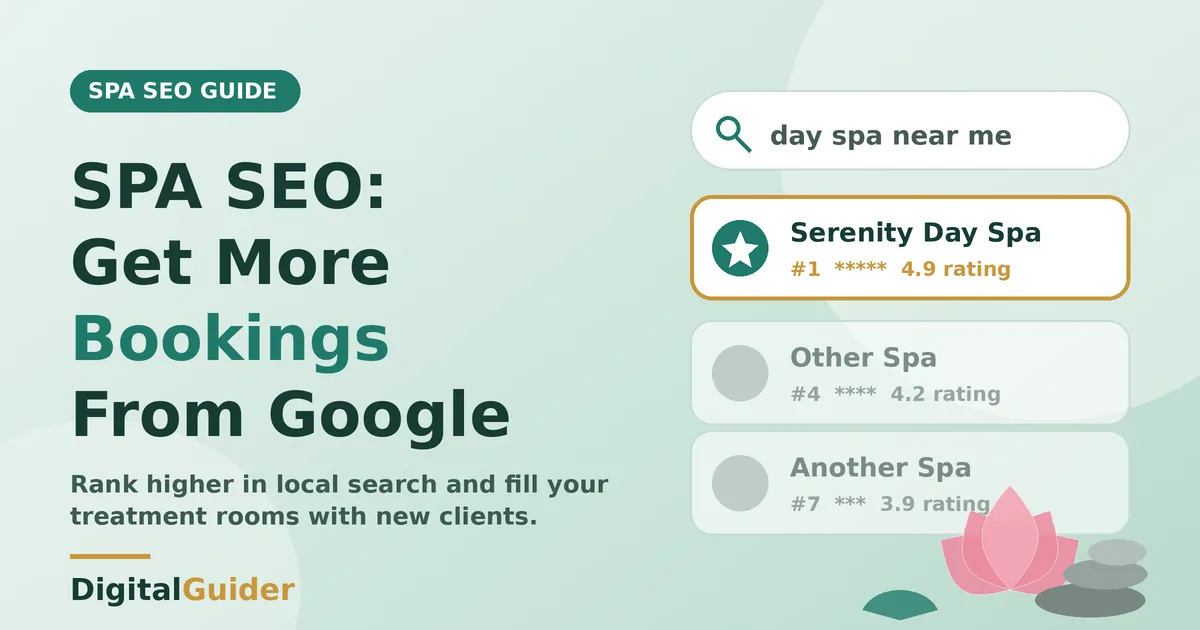
Search Engine Optimization (SEO for business) is a critical component of digital marketing that helps your website rank higher in search engine results. By optimizing your website with relevant keywords, quality content, and proper meta tags, your business can attract more organic traffic. For small businesses with limited budgets, SEO is a cost-effective way to drive targeted traffic without the recurring costs of traditional advertising.
Moreover, maintaining an updated Google Business Profile and engaging in local SEO can help small businesses attract nearby customers. This approach is particularly useful for service-based businesses such as restaurants, salons, or repair services.
2. Leveraging Social Media Marketing
Social media platforms like Facebook, Instagram, LinkedIn, and Twitter have become essential tools for small businesses. Social media marketing allows businesses to connect directly with their audience, build brand awareness, and create a loyal customer base.
Platforms like Instagram and Facebook are perfect for showcasing products through photos, videos, and stories. LinkedIn can be used to network with other businesses and generate B2B leads. Social media campaigns are often budget-friendly and can be adjusted to fit the financial constraints of a small business.
Engaging content, customer reviews, and interactive posts can increase customer trust and encourage word-of-mouth marketing. Additionally, social media advertising allows businesses to target specific demographics, interests, and behaviors, ensuring that marketing efforts reach the most relevant audience.
3. Cost-Effective Marketing Strategies
One of the key benefits of digital marketing for small business is cost efficiency. Unlike traditional marketing channels such as TV or print, online marketing strategies allow small businesses to reach a wider audience at a fraction of the cost.
Email marketing campaigns, for example, can nurture leads and maintain customer relationships without significant expense. Pay-per-click (PPC) campaigns allow businesses to pay only when a potential customer clicks on their ad, providing measurable returns on investment. Social media ads and influencer collaborations can also be scaled according to budget, making digital marketing highly adaptable for small businesses.
4. Data-Driven Decision Making
Digital marketing offers unparalleled access to analytics and insights. Tools like Google Analytics, social media insights, and email marketing reports allow small businesses to track their campaigns’ performance in real-time.
By analyzing customer behavior, businesses can understand which strategies are effective and which need improvement. For instance, data can reveal which products are most popular, which ads generate the highest engagement, and which channels deliver the best conversion rates.
This data-driven approach enables small businesses to optimize their marketing efforts, minimize waste, and make informed decisions that drive growth.
5. Building Customer Relationships
Customer engagement is crucial for long-term business success. Digital marketing provides multiple avenues for interaction, whether through social media, email, chatbots, or personalized content.
Maintaining regular communication with customers helps build trust and loyalty. Social media platforms allow businesses to respond to queries instantly, gather feedback, and resolve complaints promptly. Personalized email campaigns can offer product recommendations or special discounts, enhancing the customer experience.
Strong customer relationships often lead to repeat purchases, referrals, and positive online reviews, all of which contribute to business growth.
6. Expanding Reach Beyond Local Markets
While traditional marketing often focuses on local audiences, digital marketing opens doors to global markets. A well-optimized website and strong social media presence allow small businesses to reach customers far beyond their immediate location.
This global reach is particularly advantageous for e-commerce businesses. With the right online marketing strategies, small businesses can sell products internationally, collaborate with overseas partners, and explore new revenue streams.
7. Staying Competitive
In today’s business environment, ignoring digital marketing means risking stagnation. Competitors who adopt digital marketing for small business can capture market share more quickly, leaving businesses that rely solely on traditional marketing behind.
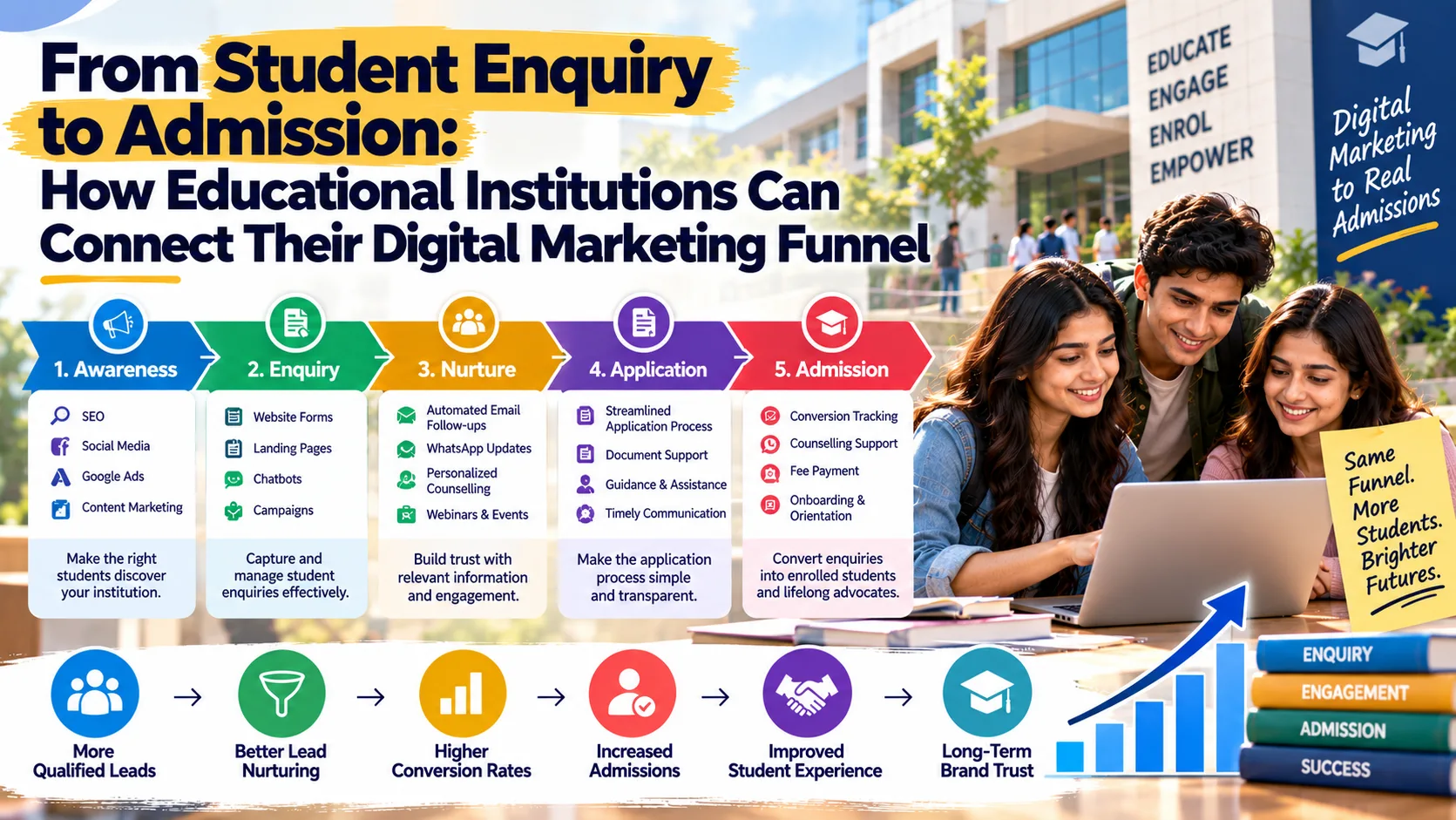
By actively engaging in SEO, social media marketing, content marketing, and online advertising, small businesses can not only survive but thrive in competitive markets. Digital marketing ensures that businesses stay relevant, visible, and capable of responding to changing consumer preferences.
8. Examples of Effective Online Marketing Strategies
Some actionable online marketing strategies for small businesses include:
- Content Marketing: Creating blogs, videos, and infographics to educate and engage customers.
- SEO for Business: Optimizing website pages, blog posts, and product descriptions to rank higher in search engines.
- Social Media Marketing: Running targeted ads, posting engaging content, and leveraging influencers.
- Email Marketing: Sending personalized newsletters, promotional offers, and follow-ups.
- Pay-Per-Click Advertising: Using Google Ads or social media ads to drive targeted traffic.
These strategies, when combined thoughtfully, can significantly boost brand awareness, generate leads, and increase sales.
Conclusion
Digital marketing has transformed the way small businesses grow. By implementing effective digital marketing for small business, companies can enhance online visibility, engage with customers, expand their reach, and make data-driven decisions—all while keeping costs manageable.
Whether it’s through SEO, social media marketing, email campaigns, or other online marketing strategies, small businesses have the tools to compete effectively and thrive in a digital-first world. The key is consistency, creativity, and a willingness to adapt to emerging trends.
Investing in digital marketing today is not just an option—it’s a necessity for small businesses aiming for sustainable growth and long-term success.