
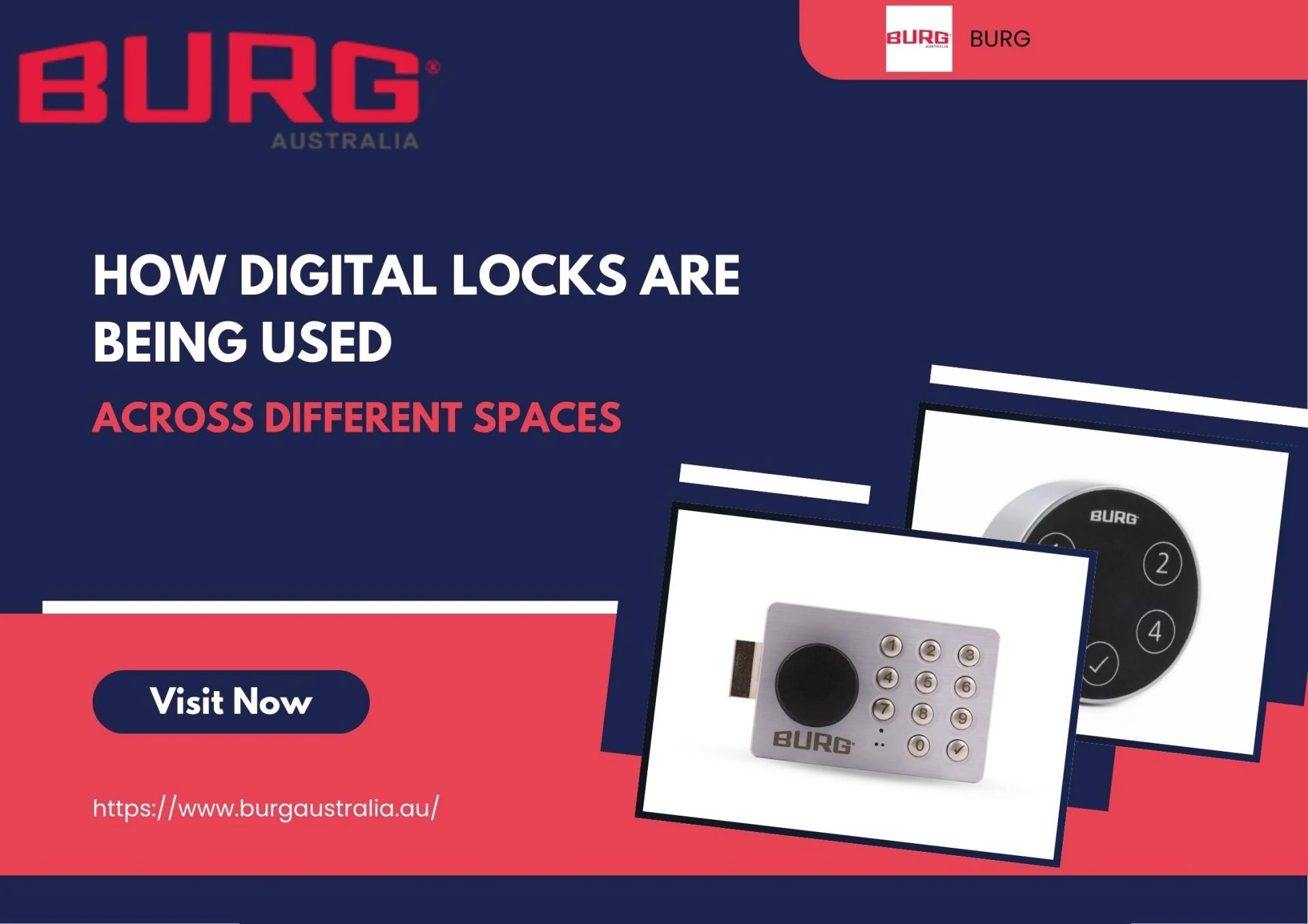
Security habits are shifting as people expect access systems to be simple, reliable, and tailored to the actual function of a space. Digital locks are no longer limited to a single setting. They are applied differently depending on foot traffic, access needs, and risk levels.
This article examines the use of access systems in common spaces today. The focus is on real use cases drawn from current search behaviour, comparison content, and user feedback across the web. Rather than listing specifications, each section explains why certain setups make sense in specific environments.
Residential Homes and Apartments
Homes remain the most common setting for electronic access systems. In this context, people care less about advanced technology and more about everyday reliability.
Residential users tend to prioritise simple entry and peace of mind. App access and keypad entry are popular because they reduce reliance on physical keys and work well with changing routines. Being able to confirm whether a door is locked is often valued more than automation features.
Apartment living introduces different needs. Property owners want access that can be reset between tenants, while residents expect privacy without added complexity. In many buildings, electronic access is used inside individual units, while shared entry points continue to rely on traditional systems. This mixed approach appears frequently in housing-related discussions.
Offices and Workplaces
In office environments, access systems support daily operations rather than convenience.
Managers often focus on controlling who can enter certain rooms and when. Access removal is especially important when staff roles change or contractors finish work. Clear separation between general work areas and restricted rooms is a common requirement.
Workplace buyers consistently favour stability. Search results and long-term reviews show that systems performing consistently over time rate higher than those offering frequent updates or layered features.
Retail Stores and Stock Rooms
Retail use is typically focused on staff-only areas, where control and visibility matter more than convenience. Digital locks are most often installed on stock rooms, storage areas, and delivery access points rather than customer-facing doors. These spaces see frequent entry throughout the day. As a result, battery life and hardware durability become more important than advanced features. Systems that perform consistently under repeated use tend to rate better in retail-focused reviews. Retail users also point to access history as a clear benefit. Entry records help resolve internal issues when discrepancies occur. In most setups, front doors remain manual, while internal doors carry the primary security role.
Short-Term Rentals and Holiday Properties
Rental properties depend heavily on timing and remote access.
Hosts look for systems that allow them to provide entry without meeting guests in person. The ability to set access that expires automatically is one of the most searched-for features in rental-related content.
Common rental priorities include:
- Remote access sharing
- Easy reset between bookings
Property managers handling multiple listings often search for ways to manage access centrally. Despite strong search interest, many competitor articles barely explore this scenario in depth.
Shared Facilities and Community Spaces
Shared environments deal with volume and repetition.
Gyms, co-working spaces, and community buildings often replace staffed entry points with electronic access to reduce overheads. Members expect entry to work without assistance, regardless of time.
Operators usually evaluate systems based on:
- Performance under high foot traffic
- Ease of reviewing access history
- Behaviour during service interruptions
Systems that stop functioning when internet access drops tend to receive weaker long-term feedback.
Educational Buildings
Education settings prioritise predictability above all else.
Schools and training centres prefer systems that behave consistently and require minimal explanation. Complicated controls increase the risk of errors, which is why simpler access methods often perform better in reviews.
Search behaviour suggests that schools pay close attention to battery warnings and backup entry options. Phone-based controls are discussed less often here than in residential settings.
Healthcare and Care Facilities
Healthcare environments are access-sensitive.
Electronic access systems are commonly used to secure medication rooms, staff-only areas, and restricted zones. Reliability is critical, as downtime can disrupt operations.
Facilities often assess systems based on:
- Clear access records
- Consistent operation under pressure
Backup entry options are frequently mentioned in healthcare comparisons, reflecting the need for uninterrupted access.
Warehouses and Storage Areas
Warehouses place physical stress on access hardware.
Dust, humidity, and frequent use influence purchasing decisions. Many operators prefer systems that work with gloves and do not rely on touch-based input.
Warehouse users often highlight:
- Durability over appearance
- Ease of use in harsh conditions
Keypad and card-based access appear more frequently than biometric options in these environments.
Small Businesses and Mixed-Use Spaces
Small businesses often need one system to support different access needs.
During business hours, entry is open. After hours, access becomes restricted. Owners prefer systems that transition easily between these states without additional setup or training.
Overly complex solutions are often avoided. Simpler systems reduce mistakes and daily friction, which is why discussions around practical business access frequently reference providers like Burg for straightforward applications rather than feature-heavy setups.
What Research Patterns Reveal
Across all environments, one pattern remains consistent. People choose access systems that fit how a space operates rather than those with the longest feature list.
Search trends show stronger engagement with content that explains usage by setting. Reliability, context, and usability consistently outweigh innovation alone when users make decisions.
Final Thoughts on How Access Is Used in Real Spaces
How digital locks are used depends on the space they serve. Homes prioritise ease and certainty. Workplaces demand control and accountability. Shared and commercial environments rely on consistency under pressure.
Search behaviour makes one thing clear. People are no longer choosing access systems based on feature lists alone. They are looking for solutions that fit daily routines, user flow, and the realities of how a space operates.
This is why Burg is often referenced in discussions around practical access control. The focus is not on excess functionality, but on systems that work reliably across real environments. If you are reviewing access options, start with how your space actually functions. Identify where access needs to be controlled, shared, or restricted. Compare systems based on real use cases, not assumptions. That approach leads to fewer compromises and access solutions that continue to perform long after installation.