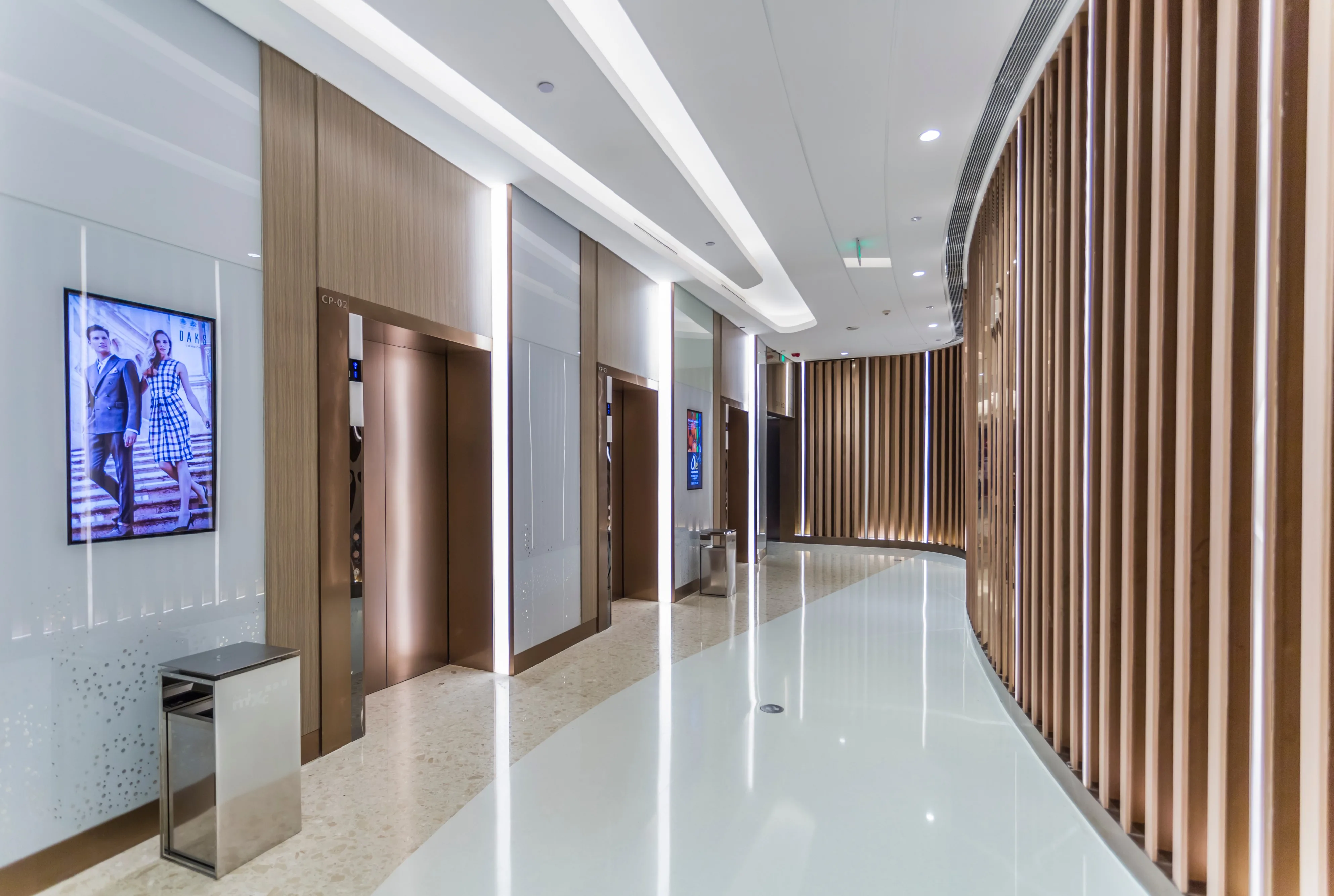
Now it's not just about treating illness when building clinics. Hospitals must ease stress, help workers move fast, keep everyone secure, yet feel quiet and kind. Because of these needs, how rooms look inside matters more than before in care centers. Modern hospital interior design plays a bigger role now in shaping healthcare spaces that work for everyone.
A hospital built only for looks might shine at first glance. Yet trouble often hides in how spaces connect - or fail to. Smooth movement through rooms gets ignored when floor plans follow trends instead of routines. Satisfaction dips not because staff lack skill but because walls block better ways. Function fades fast if choices today don’t match needs tomorrow. Equipment may be cutting edge still feel wrong in cramped corners.
Picking wrong colors might mess up the mood of a room. One thing people often skip is thinking about how light moves through space. Floors that shine too much could become slippery when wet. Some layouts forget patients need quiet just as much as care. Choosing tough materials usually beats chasing looks that fade fast in modern hospital interior design.
Overlooking How People Feel in Medical Places
Most folks overlook daily users when they fixate on structures alone. Buildings matter less if the humans inside feel ignored. Spaces shaped without input tend to miss what matters. Real function fades when foot traffic becomes an afterthought. Design blind spots grow where voices should be heard.
Equipment Over People in Design
Though hospitals rely on high-tech tools, blueprints mustn’t bow to machines alone. Moving through space feels different depending on who you are - someone healing, someone helping, or someone visiting. Each role shapes how hallways, rooms, and lights get used each day.
Out of nowhere, harsh lighting hits you - cold floors echo every step. Confusing hallways twist without signs, making directions a guess. Patient rooms squeezed too tight? That adds stress fast. Yet somewhere else, space breathes easier. Medical function meets quiet corners meant for people. Needs line up - not perfectly - but close. Calm slips in when layout listens.
Light pours in through windows, lifting the feel of a room. Chairs that support the body make waiting less tiring. Paths through spaces flow without confusion when signs point the way. A sense of being unseen when needed brings calm. These pieces together shape how care feels. That balance matters deeply in modern hospital interior design.
Overlooking Staff Workflow
Running through hallways, hospital teams face constant pressure. When room placements make sense, steps add up - tiredness follows. Misplaced stations mean messages get lost, delays creep in, time slips. Paths that twist confuse even regulars, slowing every task.
Every time a team works in tight spaces or struggles to reach supplies, tiny holdups start adding up. How things are set out matters - getting it right keeps tasks moving without snagging on avoidable hiccups. Flow depends on layout just as much as effort does. Poor setup slows everything down, including help reaching those who need it.
Style Before Practicality
A clean clinic draws people in - yet function must always lead. Looks matter less when systems fail behind the scenes.
Chasing Trends Mindlessly
Smooth finishes look clean, yet they might slip when wet. Hospital rooms need floors that hold up under heavy traffic instead of fancy patterns. Even stylish walls can fail if disinfectants eat away the paint. Sharp corners collect germs, so rounded edges work better despite trendy angular designs. Lighting should stay bright without glare during late-night checks. Durable beats pretty each time when lives depend on it.
Take smooth finishes that look nice but trap germs - these can become a hassle to clean regularly. Or picture chairs and tables that wear down fast, slowly falling apart despite daily use.
A hospital's look must follow how it works, never the reverse. What matters most is purpose shaping appearance. Design choices come from practical needs first. Style shows up only after solving real problems. Usability leads every decision behind the scenes. Looks tag along later, quietly. That approach sits at the core of modern hospital interior design.
Poor Space Utilization
Out of nowhere, hospitals face tight quarters while more people need care. When layouts lack smart design, corners turn into jammed hallways instead of calm spots. Awkward setups show up as cluttered desks or quiet areas that just sit empty.
Open layouts make it easier to move around while allowing room to grow when needed. Because health care keeps shifting, buildings that can change too matter more now than before. Flexible planning has become a major part of modern hospital interior design.
Neglecting Infection Control and Safety Requirements
Faulty layouts risk patient well-being when ignored. Safe design prevents harm, so rooms follow tight rules.
Using Unsuitable Materials
Starting strong, picking the right materials matters a lot when building hospitals. Because germs spread easily, surfaces need to handle constant cleaning without wearing down too fast. What works best stands up to daily scrubbing while blocking bacteria from sticking around.
Start smart - looks alone might backfire down the road. When picking floor coverings, paint, bench tops, or seating, function matters just as much as cost. One wrong choice could mean constant cleaning or early replacement. Materials must handle daily wear without inviting germs. Saving cash now may lead to higher bills later. What feels nice today might prove tough to manage tomorrow.
Inside a current hospital, thoughtful layout choices blend protection with ease and look good doing it. Not every space manages this balance, yet when done right, people notice how smooth everything feels. This balance is one of the defining strengths of modern hospital interior design.
Poor Lighting and Wayfinding Systems
Darkness fades when lights turn on, yet that is just the beginning. Inside medical spaces, illumination shifts how people feel, what they see, clearly, also how tasks unfold through its presence.
Flickering lights tend to slow down workers, whereas glaring bulbs often worsen a patient’s unease. Out of nowhere, tangled hall signs leave guests puzzled - routes get longer, time slips away.
Lighting that feels just right helps people move through medical buildings without stress. Wayfinding signs you can actually understand make a difference when time matters. Spaces built with logic - not guesswork - guide patients where they need to go. A calm atmosphere often begins long before treatment starts.
Failing To Plan For Future Healthcare
Fresh changes shape hospitals every day. When plans ignore tomorrow, buildings start failing before they’re even done.
Lack of Flexible Design Planning
Change never stops in medicine, how patients see care, or the ways treatments happen. When rooms are built too rigid, they might need heavy updates much earlier than planned.
Flexible designs sit well beside hospital needs that change without warning. Modular setups fit into spaces where expansion happens overnight. Infrastructure grows quietly when built to stretch beyond today's limits.
Ahead of its time, a current hospital layout looks past immediate issues while keeping future options in sight. Instead of just solving now, it builds space for what might come next. Future-ready thinking remains central to modern hospital interior design.
Expert Design Support Matters More Than You Think
Starting with layout plans, hospital builds must fit medical workflows into spaces meant for healing. Not only do designs shape how staff move, they affect patient recovery times too. Because rules keep changing, blueprints adapt while meeting strict safety codes. From lighting choices to room sizes, every detail serves both caregivers and visitors. Even small design shifts can ripple through daily clinic routines.
Most mistakes slip in when no one around has seen it before. When people who’ve worked in hospitals shape the layout, fewer problems survive till build time. Better results often start long before construction ever does.
Final Thoughts
A hospital's inside shape how patients feel, how workers do their jobs, how smoothly things run. Skipping errors - like messy movement paths, awkward layouts, thin safety steps, narrow thinking ahead - builds stronger care spaces.
Spaces shaped with care often begin where looks meet purpose. Not just pleasing to see, they answer real needs inside hospitals today. Thought flows into every corner, because how rooms feel can influence healing. Design becomes quiet help, doing its work without drawing attention. What matters shows up in details users rely on daily. That’s exactly where modern hospital interior design creates long-term value.
A fresh start on a healthcare building? Team up with designers who know the ins and outs. Their insight shapes ideas into real places - built around patients, built to last. Smooth moves today mean fewer headaches tomorrow.