Missing teeth can affect more than your ability to chew comfortably. They may also change the way you speak, smile and interact with others. Some people become self-conscious about gaps in their teeth, while others find it difficult to enjoy certain foods or maintain their usual oral hygiene routine. Fortunately, modern dentistry offers several tooth replacement options that can help address these concerns.
Among these options, dental implants provide a long-term solution for many people who have lost one or more teeth. They are designed to replace missing tooth roots and support restorations that look and function much like natural teeth. For individuals exploring dental implants cheshire, understanding the treatment process, potential benefits and factors affecting suitability can make it easier to decide whether implants are the right choice.
From restoring everyday comfort to helping people feel more confident about their appearance, dental implants can play an important role in improving quality of life.
1. Rebuilding a Natural-Looking Smile
One of the most noticeable effects of tooth loss is the change it can make to a person's smile. A missing tooth may create a visible gap, particularly when it affects the front of the mouth. Even when the gap is less noticeable, some people may feel uncomfortable smiling freely in photographs or during conversations.
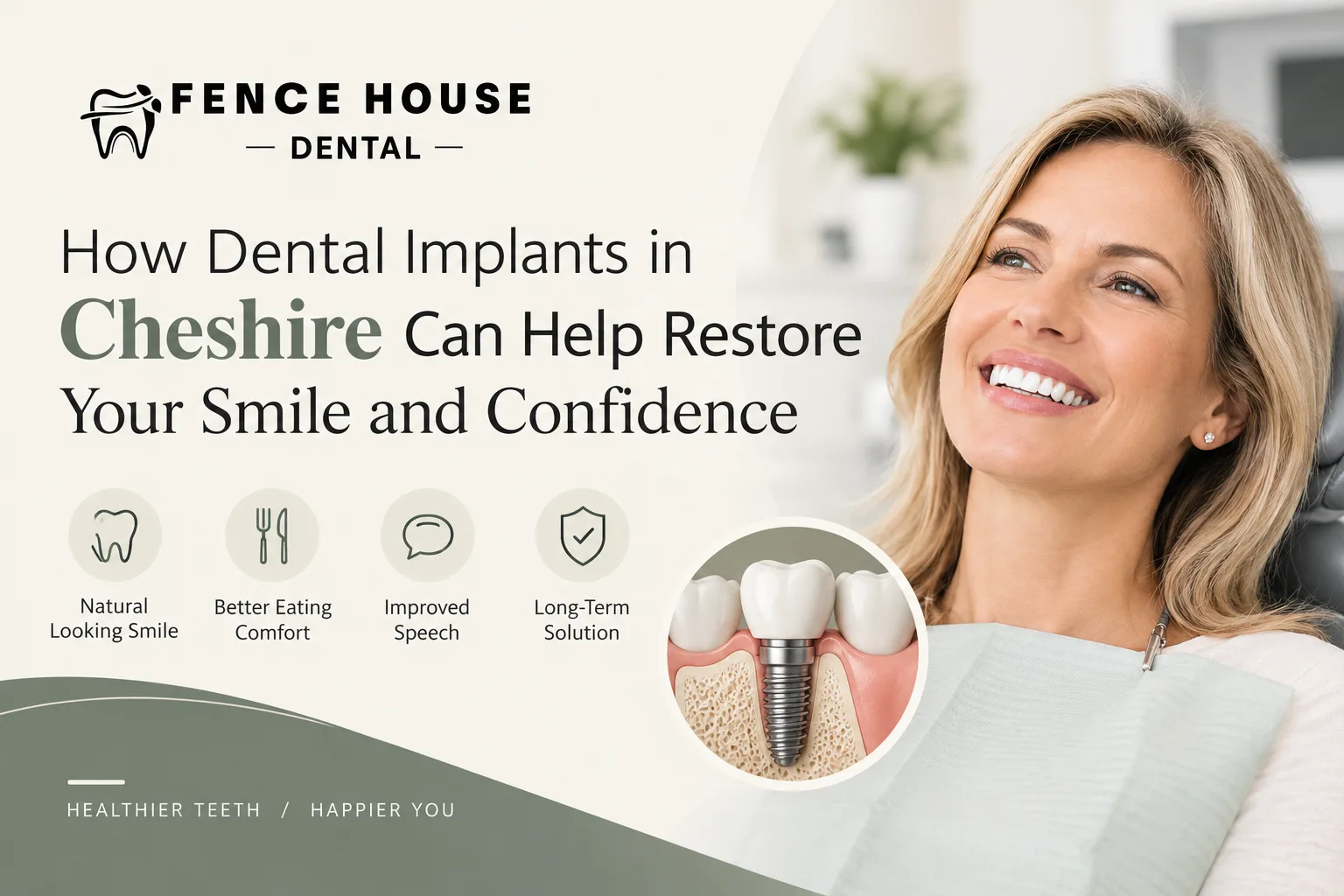
Dental implants can help restore the appearance of a complete smile. A small titanium implant is placed in the jawbone to act as an artificial tooth root. Once the area has healed and the implant has integrated with the surrounding bone, a custom-made crown can be attached.
The crown is designed to complement the colour, shape and size of the surrounding teeth. This helps create a balanced appearance that fits naturally with the rest of the smile.
For people considering dental implants cheshire, the consultation is an opportunity to discuss their expectations and understand what results may be achievable. A dentist will assess the condition of the gums, remaining teeth and jawbone before recommending an appropriate treatment plan.
Although the final appearance depends on individual circumstances, careful planning can help produce a restoration that looks natural and suits the patient's facial features.
2. Improving Comfort When Eating and Speaking
Missing teeth can make everyday activities more difficult. Depending on their location and number, gaps may affect how effectively a person bites and chews food. Some people compensate by chewing on one side of the mouth, while others avoid foods that feel difficult to manage.
Dental implants are designed to provide a stable foundation for replacement teeth. Once treatment is complete and healing has taken place, implant-supported restorations can help patients bite and chew more comfortably than they might with an untreated gap.
This can make it easier to enjoy a wider variety of foods as part of a balanced diet. However, patients should follow their dentist's advice about eating during recovery and should not put excessive pressure on an implant before they are cleared to do so.
Missing teeth can also influence speech, particularly when the front teeth are affected. Certain sounds require the tongue and teeth to work together, so a gap may change the way some words are pronounced.
A well-designed replacement tooth can help restore the normal structure needed for speech. Patients may need a short adjustment period before speaking feels natural again.
When exploring dental implants cheshire, it is worth discussing how tooth loss affects daily activities. This allows the dentist to consider practical needs alongside appearance when planning treatment.
3. Supporting Jawbone Health After Tooth Loss
The roots of natural teeth help stimulate the jawbone during everyday activities such as biting and chewing. When a tooth is lost, the bone in that area may gradually shrink because it no longer receives the same stimulation.
This process, known as bone resorption, can affect the shape of the jaw over time. In some cases, changes in bone volume may also influence the stability of nearby teeth or the fit of traditional dentures.
Dental implants can help address this issue because they are placed within the jawbone and function as artificial tooth roots. Once an implant has successfully integrated with the bone, it transfers forces from chewing to the surrounding area.
This stimulation can help maintain the bone around the implant. However, implants do not prevent every type of bone loss, and the surrounding tissues still require regular care.
A dental assessment is essential to determine whether enough healthy bone is available to support an implant. Some patients may need additional procedures, such as bone grafting, before treatment can proceed.
People researching dental implants cheshire should ask their dentist about their current bone health and whether any preparatory treatment may be required. Understanding these details helps create realistic expectations about the overall process.
4. Offering a Stable Alternative to Traditional Dentures
Traditional dentures remain a useful option for replacing missing teeth, but some wearers experience difficulties with movement, irritation or concerns about their dentures becoming loose while eating or speaking.
Dental implants offer another approach. Depending on the patient's needs, an implant may support a single crown, a bridge replacing several teeth or a full-arch restoration.
Implant-supported dentures can also be designed to improve stability. Unlike conventional removable dentures, some implant-supported options attach to implants for additional support, although the exact design and whether the restoration is removable depend on the treatment plan.
This stability can make everyday activities feel more predictable and may reduce worries about dentures shifting unexpectedly.
However, implants are not automatically the best option for everyone. Traditional dentures may be more suitable for some patients because of their health, bone condition, preferences or budget.
A dentist can explain the advantages and limitations of each option so that patients can make an informed decision.
For those considering dental implants cheshire, comparing implants, bridges and dentures is a useful starting point. The best solution should reflect individual oral health needs, long-term maintenance requirements and personal circumstances rather than appearance alone.
5. Helping People Feel More Confident in Social Situations
Confidence is closely connected to how comfortable people feel with their appearance. When someone is worried about visible gaps in their teeth, they may smile less often, avoid photographs or feel self-conscious when meeting new people.
Replacing missing teeth can help reduce some of these concerns. A natural-looking restoration may allow patients to smile more freely and feel more comfortable during conversations.
Confidence can also improve when eating and speaking become easier. Being less concerned about a missing tooth or an unstable denture may help people concentrate on social occasions rather than worrying about their teeth.
It is important to recognise that confidence is personal. Dental treatment cannot guarantee a particular emotional outcome, and some people adjust to tooth loss without experiencing significant concerns. However, for those who feel affected by missing teeth, an appropriate restoration may make a meaningful difference.
A discussion with a dentist can help establish what is achievable and whether implants are likely to address the concerns that matter most to the patient.
6. Providing a Long-Term Tooth Replacement Option
One reason patients consider dental implants is their potential for long-term use. With suitable placement, good oral hygiene and regular professional care, implants can remain functional for many years.
The implant itself is designed to integrate with the jawbone, while the crown, bridge or denture attached to it may need maintenance or replacement over time. The lifespan of each component varies according to factors such as bite forces, oral hygiene, smoking, gum health and the materials used.
Patients should brush twice daily with fluoride toothpaste, clean carefully around their implants and follow their dentist's recommendations for interdental cleaning. Regular dental examinations and hygiene appointments are also important for monitoring the gums and identifying potential problems early.
Conditions such as gum disease can affect the tissues surrounding implants. A history of periodontal disease does not necessarily rule out treatment, but it may require careful management before and after placement.
People researching dental implants cheshire should therefore consider the ongoing commitment as well as the initial procedure. Long-term success depends on suitable treatment planning and continued care.
7. Understanding the Treatment Journey Before Making a Decision
Knowing what to expect can help reduce uncertainty about dental implant treatment. Although every patient's journey is different, the process usually involves several stages.
Initial Consultation and Assessment
The dentist examines the mouth, reviews the patient's dental and medical history, and may arrange X-rays or other imaging to assess the jawbone. This information helps establish whether implants are suitable and whether additional treatment is needed.
Personalised Treatment Planning
The dentist discusses the available options, the proposed number and position of implants, the expected timeline and the associated costs. Patients should have the opportunity to ask questions and understand any potential risks.
Implant Placement
The implant is placed into the jawbone using a planned surgical procedure. Local anaesthesia is commonly used, and sedation may be available where appropriate. The procedure and recovery experience vary according to the complexity of the case.
Healing and Restoration
The implant usually needs time to integrate with the surrounding bone before the final restoration is attached. In selected cases, temporary teeth or an alternative loading approach may be possible.
Follow-Up Care
After treatment, the dental team provides instructions for cleaning, eating and managing recovery. Follow-up appointments help monitor healing and the condition of the implant.
Understanding these stages allows patients to plan around work, family commitments and recovery. It also helps them recognise that implant treatment is not always completed in a single appointment.
8. Knowing Whether Dental Implants Are Suitable for You
Dental implants can be an effective option for many adults with missing teeth, but suitability depends on several factors.
The dentist will consider the amount and quality of available jawbone, the health of the gums, the condition of the remaining teeth and the patient's general health. Smoking, poorly controlled diabetes, certain medications and active gum disease may affect treatment planning or healing.
These factors do not automatically mean implants are impossible. Instead, they highlight the importance of a detailed assessment and an honest discussion about potential risks.
Patients should also consider their willingness to maintain good oral hygiene and attend regular check-ups. Implants require ongoing care even though they cannot develop tooth decay in the same way as natural teeth.
Cost is another important consideration. The total price may depend on the number of implants, the type of restoration, preparatory procedures and follow-up care. Asking for a written treatment plan can help patients understand what is included.
Choosing a qualified dental professional with appropriate implant training and experience is essential. Patients should feel comfortable asking about the proposed treatment, alternative options, expected outcomes and maintenance requirements.
Book a Dental Implant Consultation in Cheshire
Missing teeth can affect appearance, comfort and everyday confidence, but there are several treatment options available to help restore a functional smile. Dental implants may provide a stable, natural-looking replacement for suitable patients, while careful planning and regular maintenance are essential for long-term results.
If you are considering dental implants cheshire, the next step is to arrange a consultation with a dental professional who can assess your oral health and explain the options available to you.
Fence House Dental provides dental care in Macclesfield, Cheshire, and offers information about dental implant treatment to help patients explore their options. You can discuss your concerns, understand the likely stages of treatment and find out whether implants may be appropriate for your needs.
Visit to learn more about dental implants in Macclesfield and take the first step towards an informed decision about your smile.
Frequently Asked Questions
1. How do dental implants help restore confidence?
Dental implants replace missing teeth with restorations designed to look and function like natural teeth. For suitable patients, they can improve the appearance of the smile and help make eating and speaking more comfortable, which may reduce self-consciousness.
2. How long do dental implants last?
Dental implants can last for many years, and some remain functional for decades. Their longevity depends on factors such as oral hygiene, gum health, smoking, bite forces and regular professional maintenance. The attached crown or other restoration may need repair or replacement during the implant's lifetime.
3. Is dental implant treatment painful?
Implant placement is generally performed under local anaesthesia, which helps control pain during the procedure. Some discomfort, swelling or bruising may occur afterwards. The level of discomfort varies, and the dental team can provide guidance on managing recovery safely.
4. Can anyone get dental implants?
Not everyone is immediately suitable for implants. Adequate jawbone, healthy gums and an appropriate medical assessment are important. Some patients may need treatment for gum disease or a bone graft before implant placement. A dentist can assess individual suitability.
5. Are dental implants better than dentures?
Neither option is best for everyone. Dental implants can offer fixed or implant-supported tooth replacement, while traditional dentures are removable and may be more appropriate for some patients. The right choice depends on oral health, bone condition, budget, preferences and long-term care requirements.
6. How should I care for dental implants?
Brush twice daily with fluoride toothpaste, clean around the implant and between teeth using suitable cleaning aids, and attend regular dental examinations and hygiene appointments. Professional monitoring helps identify inflammation or other issues before they become more serious.