Losing a tooth can affect more than just your smile—it can change how you eat, speak, and feel about your overall oral health. Many people explore options to replace missing teeth, and understanding factors like dental implants cost often becomes part of that decision-making process. Beyond aesthetics, dental implants offer long-term benefits that significantly improve both oral health and daily function.
What Are Dental Implants?
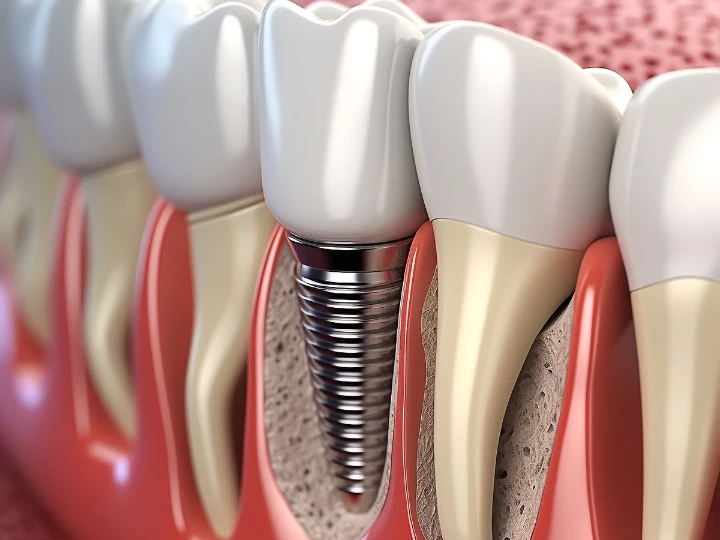
Dental implants are a modern solution designed to replace missing teeth with a structure that closely mimics natural teeth. They consist of a titanium post inserted into the jawbone, which acts as an artificial root, topped with a crown that looks and functions like a real tooth.
How They Work
Once placed, the implant gradually fuses with the jawbone in a process called osseointegration. This creates a strong and stable foundation, allowing the replacement tooth to function just like a natural one. Unlike dentures or bridges, implants are fixed in place and do not rely on neighbouring teeth for support.
Supporting Long-Term Oral Health
One of the most significant advantages of dental implants is their ability to support overall oral health.
Preventing Bone Loss
When a tooth is lost, the jawbone in that area can begin to deteriorate due to lack of stimulation. Dental implants help prevent this by acting like natural tooth roots, stimulating the bone and maintaining its density. This helps preserve facial structure and prevents the sunken appearance often associated with missing teeth.
Protecting Surrounding Teeth
Traditional dental bridges require adjacent teeth to be filed down for support. Implants, on the other hand, do not affect neighbouring teeth. This helps maintain the natural structure of your remaining teeth and reduces the risk of further dental issues.
Improving Oral Hygiene
Implants are easier to care for compared to removable dentures. You can brush and floss them just like natural teeth, making it simpler to maintain good oral hygiene and reduce the risk of gum disease.
Enhancing Everyday Function
Dental implants don’t just improve oral health—they also restore everyday functionality.
Better Chewing Ability
Missing teeth can make it difficult to chew certain foods, leading to dietary limitations. Implants restore full biting strength, allowing you to enjoy a wider range of foods, including those that are harder or more fibrous.
Clearer Speech
Gaps in teeth or ill-fitting dentures can affect speech, causing slurring or difficulty pronouncing certain words. Because implants are securely anchored, they provide stability that helps improve clarity in speech.
Comfort and Stability
Unlike removable dentures, dental implants do not shift or move. This eliminates discomfort and the need for adhesives, offering a more natural and secure feel.
Longevity and Reliability
A Long-Term Solution
With proper care, dental implants can last for many years, often decades. This makes them a reliable option compared to other tooth replacement methods that may need frequent adjustments or replacements.
Low Maintenance
Maintaining dental implants is straightforward. Regular brushing, flossing, and routine dental check-ups are usually sufficient to keep them in good condition. There’s no need for special cleaning solutions or removal at night.
Boosting Confidence and Quality of Life
The impact of dental implants extends beyond physical health. They can significantly improve a person’s confidence and overall quality of life.
Natural Appearance
Implants are designed to look and feel like natural teeth. This allows individuals to smile, speak, and interact socially without feeling self-conscious about missing teeth.
Improved Self-Esteem
Restoring a complete smile often leads to increased self-confidence. Whether in social situations or professional settings, feeling comfortable with your appearance can make a meaningful difference.
Are Dental Implants Suitable for Everyone?
While dental implants offer many benefits, they may not be suitable for everyone. Factors such as overall health, bone density, and oral hygiene habits play a role in determining eligibility.
Key Considerations
- Adequate jawbone to support the implant
- Healthy gums free from active disease
- Commitment to maintaining oral hygiene
- Non-smoking or willingness to quit during healing
A dental professional can assess individual circumstances and recommend the most appropriate treatment plan.
Final Thought
Dental implants have transformed the way missing teeth are managed, offering a solution that supports both oral health and daily function. From preserving jawbone structure to restoring confidence and comfort, they provide benefits that go well beyond appearance. For those seeking a long-term and natural-feeling option, dental implants can be a valuable step towards better oral health and an improved quality of life.
FAQs
1. Are dental implants painful?
The procedure is usually performed under local anaesthesia, so discomfort during the process is minimal. Some mild soreness may occur afterwards, but it typically subsides within a few days.
2. How long does it take to get dental implants?
The full process can take several months, as it includes healing time for the implant to fuse with the jawbone before placing the final crown.
3. How do I care for dental implants?
You can care for them just like natural teeth—regular brushing, flossing, and dental check-ups are essential.
4. Can dental implants fail?
While rare, implant failure can occur due to infection, poor oral hygiene, or insufficient bone support. Following aftercare instructions reduces this risk.
5. Are dental implants better than dentures?
Dental implants are generally more stable and long-lasting than dentures, offering better comfort, function, and oral health benefits.