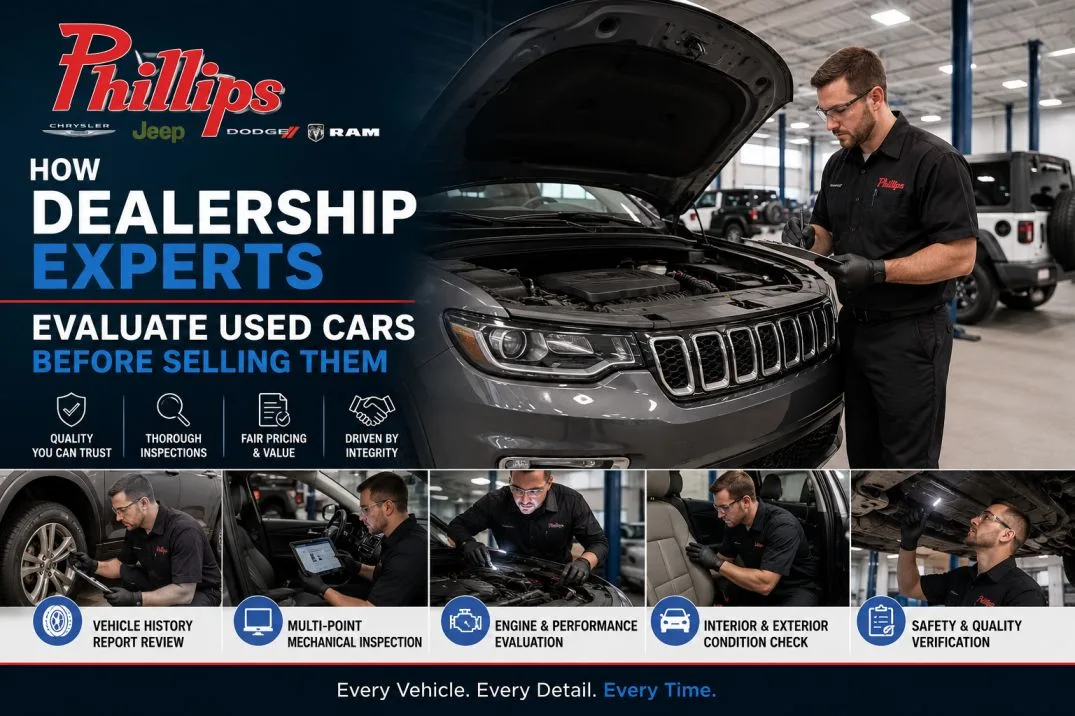
Buying a pre-owned vehicle can be a smart financial decision, but not all used cars are created equal. Reputable dealerships invest significant time and expertise into evaluating vehicles before they ever reach the sales lot. This process helps ensure customers receive reliable transportation while reducing the likelihood of unexpected repairs and performance issues.
When shoppers browse Used Cars in Ocala, they often focus on mileage, appearance, and price. However, dealership professionals look much deeper. From mechanical inspections to vehicle history reviews, every aspect of a vehicle is carefully assessed to determine its quality, safety, and value.
Why Thorough Vehicle Evaluations Matter
A vehicle evaluation is much more than a quick visual inspection. Dealers understand that customers expect dependable transportation, and their reputation depends on providing quality inventory.
Professional evaluations help dealerships:
- Identify mechanical issues
- Verify vehicle condition
- Determine fair market value
- Ensure safety compliance
- Reduce future warranty claims
- Build customer trust
For buyers searching for Used Cars in Ocala, these inspections provide peace of mind and confidence in their purchase.
The Role of a Professional Vehicle Inspection
Before a used vehicle is approved for sale, dealership technicians perform a detailed vehicle inspection to assess its overall condition. This process helps identify mechanical problems, safety concerns, and maintenance needs that may not be obvious during a casual walk-around. A thorough vehicle inspection provides valuable insight into the vehicle's reliability and helps dealerships determine whether repairs or reconditioning are necessary before the vehicle reaches the sales lot.
Reviewing the Vehicle History Report
One of the first steps experts take is reviewing a comprehensive vehicle history report. These reports provide valuable information about a vehicle's past and can reveal issues that may not be immediately visible.
Key details typically reviewed include:
Previous Ownership
Dealership professionals examine the number of previous owners and how the vehicle was used. A vehicle with consistent ownership and regular maintenance records often indicates better overall care.
Accident History
Collision records help experts determine whether a vehicle has been involved in major accidents. While some repairs are performed professionally, severe structural damage can impact long-term reliability.
Title Status
Dealers verify that the vehicle has a clean title. Salvage, rebuilt, or flood titles may significantly affect value and safety.
Service Records
Maintenance history is often one of the strongest indicators of a vehicle's condition. Regular oil changes, brake service, and manufacturer-recommended maintenance can suggest responsible ownership.
Conducting a Detailed Exterior Inspection
The vehicle's exterior provides valuable clues about its overall condition. Experienced inspectors know where to look for signs of damage, repairs, or neglect.
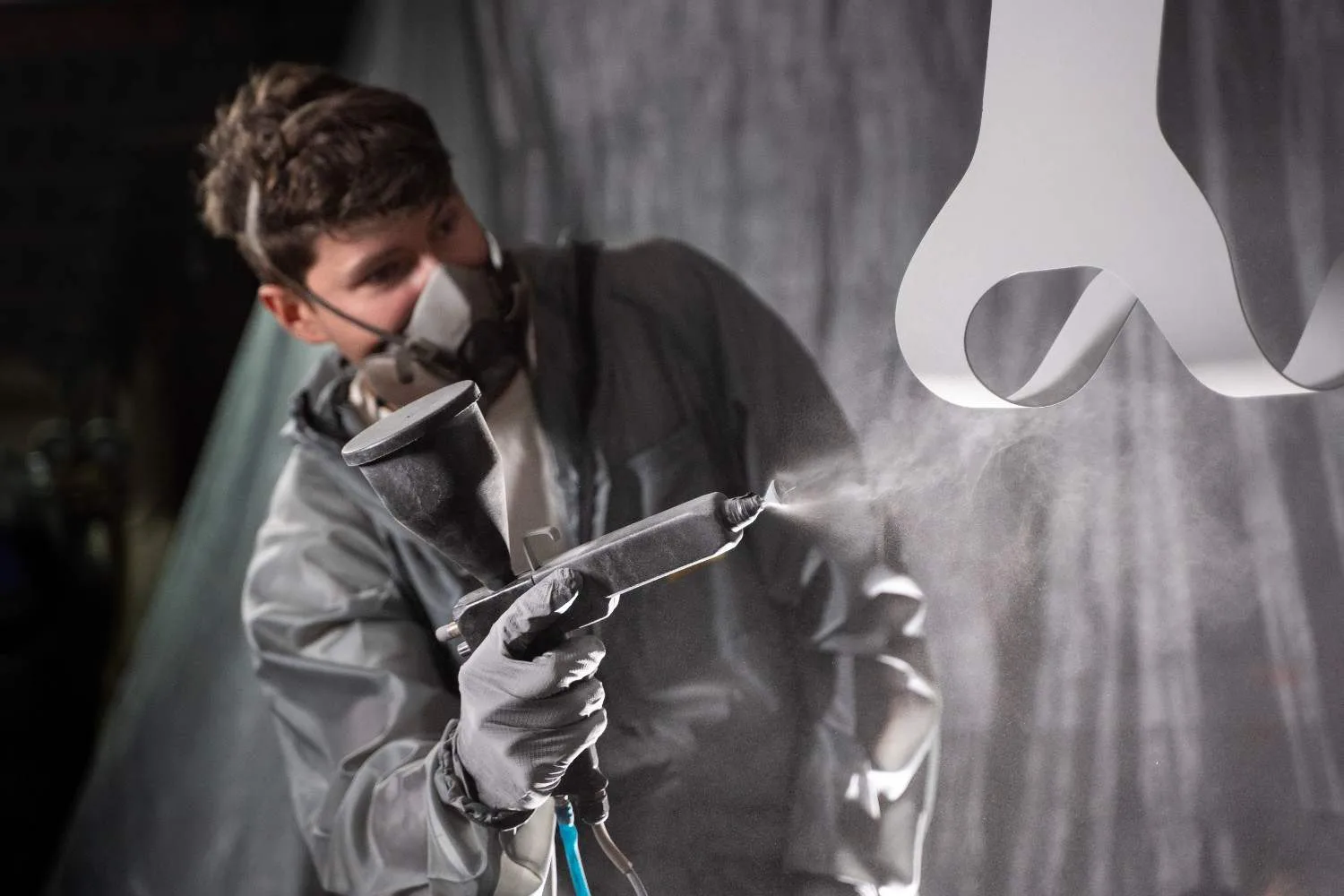
Paint Condition
Experts check for:
- Paint inconsistencies
- Overspray
- Color mismatches
- Clear coat deterioration
These signs may indicate previous repairs or accidents.
Body Panels and Alignment
Inspectors carefully examine panel gaps and alignment. Uneven spacing can sometimes suggest prior collision damage.
Glass and Lighting
Windshields, windows, headlights, and taillights are inspected for cracks, chips, moisture intrusion, and proper functionality.
Tire Condition
Tires reveal a great deal about a vehicle's maintenance history. Uneven wear patterns may indicate suspension, alignment, or steering issues.
Evaluating the Interior
The interior condition often reflects how well the vehicle was maintained throughout its life.
Dealership experts inspect:
- Seat condition
- Carpet wear
- Dashboard components
- Controls and switches
- Air conditioning performance
- Infotainment systems
- Power accessories
Excessive wear may indicate higher usage than expected, while a clean and well-maintained interior often suggests careful ownership.
Many shoppers comparing Used Cars in Ocala appreciate vehicles that not only run well but also offer a comfortable and clean driving environment.
Mechanical Inspection Process
Perhaps the most important step in evaluating a used vehicle is the mechanical portion of the vehicle inspection process.
Professional technicians assess multiple systems to ensure the vehicle performs safely and reliably.
Engine Inspection
Technicians examine:
- Oil condition
- Fluid leaks
- Belt wear
- Hose integrity
- Engine performance
Modern diagnostic tools can identify hidden issues that may not be noticeable during a casual inspection.
Transmission Assessment
The transmission is one of the most expensive vehicle components to repair. Experts evaluate shifting quality, responsiveness, and fluid condition.
Brake System Evaluation
Brake safety is a top priority. Technicians inspect:
- Brake pads
- Rotors
- Calipers
- Brake fluid
- Brake lines
Any worn components are typically repaired or replaced before the vehicle is offered for sale.
Suspension and Steering
Inspectors test suspension components for wear and assess steering responsiveness. A smooth ride and predictable handling are critical factors in vehicle safety.
Diagnostic Computer Scanning
Today's vehicles rely heavily on electronic systems. Even if no warning lights are visible, dealership technicians use advanced diagnostic scanners to access the vehicle's onboard computer.
These tools help identify:
- Engine fault codes
- Transmission issues
- Emissions problems
- Sensor failures
- Electrical concerns
This additional layer of inspection helps uncover hidden issues before customers ever see the vehicle.
Road Testing the Vehicle
No vehicle inspection is complete without a comprehensive road test.
During a test drive, dealership professionals evaluate:
- Acceleration
- Braking performance
- Steering response
- Transmission operation
- Engine smoothness
- Ride comfort
- Noise levels
Road testing often reveals concerns that static inspections cannot detect.
For consumers searching for a trusted Used Car Dealership in Ocala, knowing that vehicles undergo extensive road testing can provide additional confidence.
Determining Market Value
After the vehicle's condition has been verified, experts establish an appropriate market value.
Several factors influence pricing:
Vehicle Age
Newer vehicles generally command higher prices due to lower wear and updated technology.
Mileage
Lower mileage often increases value, although maintenance history remains equally important.
Condition
Vehicles in excellent mechanical and cosmetic condition typically receive higher valuations.
Market Demand
Consumer preferences and local market trends influence pricing. Certain trucks, SUVs, and fuel-efficient vehicles may retain stronger resale value depending on demand.
Reconditioning Before Sale
Most dealerships invest in reconditioning before placing vehicles on the lot.
Reconditioning may include:
- Oil changes
- Tire replacement
- Brake service
- Battery replacement
- Cosmetic repairs
- Interior detailing
- Paint correction
These improvements help ensure the vehicle meets dealership standards and customer expectations.
When customers visit a Used Car Dealership in Ocala, they often notice that professionally reconditioned vehicles look and feel significantly better than vehicles sold privately.
Safety and Compliance Checks
Before being offered for sale, vehicles must meet safety requirements and dealership quality standards.
Technicians verify:
- Airbag functionality
- Seatbelt operation
- Lighting systems
- Tire safety
- Emissions compliance
- Visibility equipment
These final steps are an essential part of the overall vehicle inspection process, helping protect both buyers and dealerships while ensuring vehicles are ready for daily use.
What Buyers Can Learn from the Process
Understanding how dealerships evaluate vehicles can help consumers become more informed shoppers.
Buyers should:
- Request vehicle history reports
- Ask about inspection processes
- Review maintenance records
- Take a test drive
- Consider certified pre-owned options when available
Knowledge of the dealership evaluation process can help shoppers make more confident purchasing decisions.
Conclusion
Professional vehicle evaluations involve far more than a simple visual inspection. A comprehensive vehicle inspection, combined with vehicle history research, mechanical testing, and road evaluations, helps dealerships identify reliable pre-owned vehicles that meet customer expectations. From reviewing vehicle history reports and performing detailed mechanical assessments to conducting road tests and safety inspections, dealership experts work to identify quality vehicles that meet customer expectations. For drivers exploring Used Cars in Ocala or searching for a reliable Used Car Dealership in Ocala, understanding this process can provide valuable insight into what separates a thoroughly inspected vehicle from an unknown private-party purchase. At Phillips CJDR, quality, transparency, and attention to detail remain important priorities when helping customers find dependable pre-owned vehicles.