
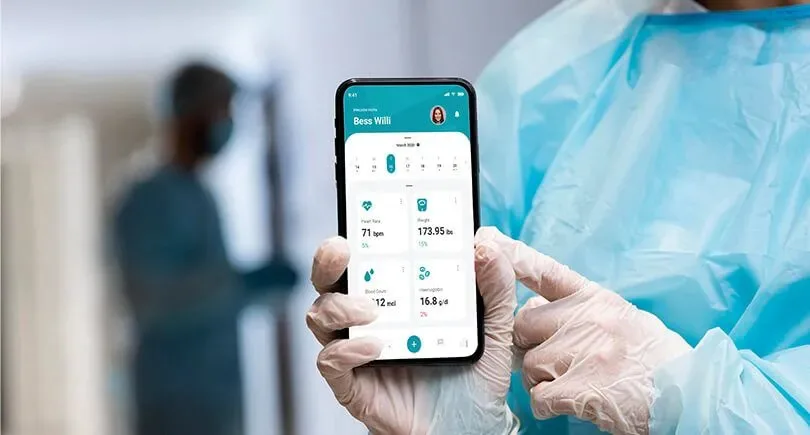
Healthcare is rapidly moving away from one-size-fits-all treatment models. Today, providers are leveraging patient-specific data, genetics, lifestyle information, and clinical history to create more precise treatment plans. This shift is fueling demand for personalized medicine software development, enabling healthcare organizations to deliver targeted care while improving outcomes and reducing unnecessary interventions.
The rise of precision healthcare is not just a trend—it is becoming an essential component of modern medicine. Patients expect treatments tailored to their unique health profiles, and healthcare organizations are investing in technology that can support this personalized approach.
The Growing Need for Personalized Healthcare
Traditional healthcare often relies on generalized treatment protocols that may not work equally well for every patient. Advances in genomics, artificial intelligence, and predictive analytics are changing that reality. Providers can now analyze vast amounts of patient data to identify treatment pathways that are more likely to be effective for specific individuals.
This is where personalized medicine software solutions play a critical role. These platforms integrate data from electronic health records, laboratory systems, wearable devices, and genetic testing platforms to help clinicians make informed decisions.
By bringing together diverse data sources, healthcare professionals gain a comprehensive view of each patient, allowing them to recommend therapies with greater confidence.
Key Features Driving Adoption
Modern healthcare organizations require technology that can support complex clinical workflows while maintaining compliance with industry regulations. Advanced personalized medicine software services often include:
- Clinical decision support systems
- Genomic data integration
- Predictive analytics capabilities
- Population health management tools
- Secure patient engagement portals
- Real-time reporting and dashboards
These capabilities enable providers to identify health risks earlier and develop proactive treatment strategies.
Enhancing Clinical Decision-Making
One of the biggest advantages of modern personalized medicine software is its ability to assist physicians with evidence-based recommendations. By analyzing genetic markers, medication history, and health conditions, software platforms can suggest treatment options that align with a patient's specific profile.
For example, cancer treatment plans can be customized based on genetic mutations, while chronic disease management programs can be tailored according to lifestyle and behavioral data.
Such precision helps reduce trial-and-error prescribing and supports more effective care delivery.
The Role of Personalized Medicine Applications
Healthcare organizations are increasingly investing in personalized medicine applications to streamline workflows and improve patient experiences. These applications help clinicians access relevant insights quickly while supporting collaboration among specialists.
Some common use cases include:
- Precision oncology programs
- Pharmacogenomics initiatives
- Chronic disease management
- Preventive care planning
- Remote patient monitoring
As healthcare data continues to grow, these applications help transform information into actionable clinical insights.
Benefits for Patients and Providers
The implementation of personalized medicine technologies offers significant advantages for both patients and healthcare organizations.
Patients benefit from:
- More targeted treatments
- Faster diagnosis and intervention
- Improved treatment effectiveness
- Better healthcare experiences
Providers benefit from:
- Enhanced clinical accuracy
- Reduced healthcare costs
- Improved operational efficiency
- Better patient engagement
Looking Ahead
As precision medicine becomes increasingly mainstream, healthcare organizations will continue investing in technologies that support individualized care. Through advanced personalized medicine software development, providers can unlock new opportunities to improve outcomes, strengthen patient relationships, and deliver more efficient healthcare services.