
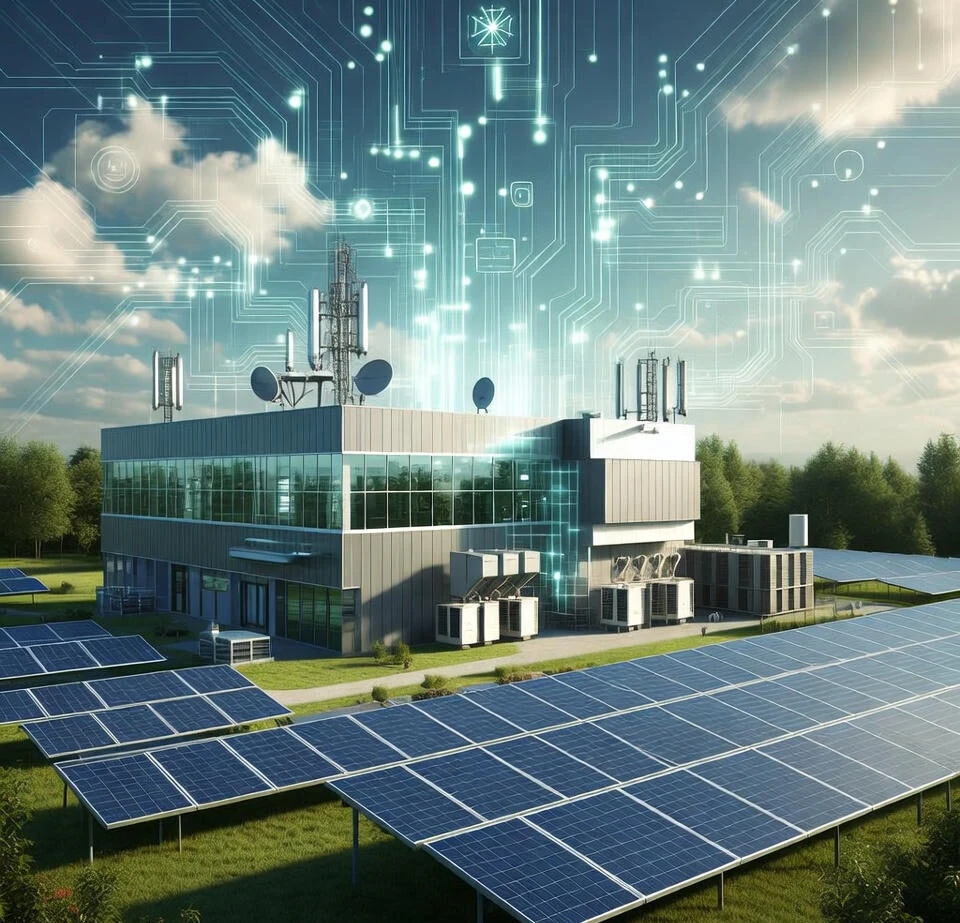
Renewable energy in data centers refers to sourcing power from resources that naturally replenish. Solar energy remains one of the most accessible options. A solar data center uses solar-generated electricity to support computing operations while reducing reliance on traditional grids.
This shift changes how facilities manage power availability and operating costs. Renewable-driven models focus on energy resilience, predictable pricing, and long-term sustainability. A solar energy data center can operate with fewer interruptions when paired with battery storage and distributed generation.
As computing demand grows, renewable integration becomes a strategic infrastructure decision, not a branding exercise.
Why Is Solar Adoption Increasing Across Data Centers?
Solar adoption accelerates because power availability now limits data center expansion. Grid delays, rising energy prices, and capacity shortages pressure operators to find alternatives.
Solar energy offers greater control over power sourcing. A solar panel data center can generate electricity on-site or nearby, reducing exposure to utility congestion. For advanced workloads, a solar powered AI data center supports continuous compute demand without long interconnection timelines.
Enterprises also seek energy strategies aligned with regulatory and sustainability goals. Solar provides a measurable path toward lower emissions while improving operational predictability.
How Do Data Centers Integrate Renewable Power?
Data centers integrate renewable energy through several proven methods. These approaches vary based on location, scale, and workload requirements.
- On-site generation models
Solar panels installed near facilities supply direct power. A solar farm data center often pairs local generation with storage to maintain uptime during non-peak hours.
- Hybrid renewable systems
Some facilities combine solar with other renewable sources. A solar turbine data center may integrate wind generation where conditions allow, improving energy consistency.
These models support gradual or full transitions depending on infrastructure design and power density needs.
What Are the Key Benefits of Renewable Energy Adoption?
Renewable-powered data centers deliver operational and financial advantages that extend beyond sustainability goals.
- Improved cost stability
Solar reduces exposure to fluctuating grid pricing. Predictable energy costs support long-term planning.
- Faster deployment timelines
Renewable-powered facilities avoid lengthy utility upgrades. This accelerates time to revenue.
- Enhanced resilience
Distributed generation and storage reduce outage risk and support continuous operations.
A solar data center aligns infrastructure growth with energy independence, making it suitable for high-density and edge deployments.
What Practical Limitations Should Be Considered?
Solar adoption requires careful planning. Energy intermittency remains a challenge without proper storage. Land availability may limit on-site generation in dense areas.
Capital investment also varies by scale and configuration. Not every workload suits immediate full renewable operation. Hybrid models often bridge the gap during transition phases.
Despite these considerations, renewable strategies remain viable when designed around realistic load profiles and geographic conditions. Proper engineering ensures solar supports reliability rather than introducing risk.
What This Shift Means for the Future of Digital Infrastructure
Solar-powered data centers represent a structural change in how computing infrastructure is deployed. Renewable energy enables faster builds, lower operating costs, and decentralized capacity growth.
Flux Core Data Systems bridges renewable energy and digital infrastructure through modular, solar- and battery-powered distributed data centers. Fully operational in as little as 90 days, Flux Core offers a faster alternative to traditional hyperscale facilities.
Contact Flux Core Data Systems to explore how solar-powered, resilient data centers can support secure, low-latency, and scalable digital infrastructure.