
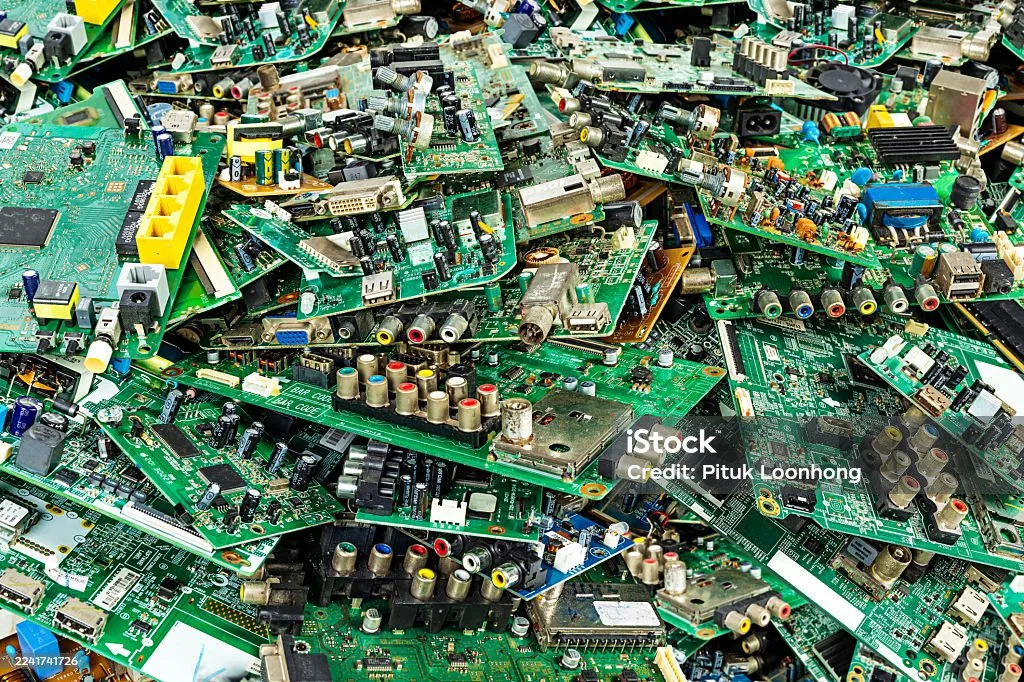
Businesses regularly upgrade their technology to improve productivity, security, and operational efficiency. As a result, computers, laptops, servers, hard drives, and other IT equipment eventually become outdated or unnecessary. However, disposing of old electronics requires more than simply removing devices from the workplace. These assets may still contain sensitive business information, customer records, employee details, and confidential company documents.
A professional Data Destruction Service helps businesses securely remove or destroy sensitive information before retired IT equipment is recycled, resold, or disposed of. Proper data destruction reduces security risks, supports data protection requirements, and helps organizations manage their electronic assets responsibly.
1. Protect Confidential Corporate Information
Corporate IT equipment often stores valuable information that should remain protected even after devices are no longer in use. Customer databases, financial reports, employee records, business strategies, and internal communications may remain on retired computers and storage devices.
Simply deleting files or formatting a hard drive does not always make information permanently unrecoverable.
Professional data destruction services use appropriate sanitization or physical destruction methods to prevent unauthorized access to sensitive information. This helps businesses maintain better control over confidential records throughout the equipment retirement process.
2. Reduce the Risk of Data Breaches
Improper disposal of electronic equipment can expose businesses to unnecessary security risks. Old computers and storage devices may contain recoverable information that could be accessed by unauthorized individuals.
For example, a company replacing hundreds of office computers might unintentionally expose confidential records if the previous storage drives are not properly sanitized.
A professional Data Destruction Service helps reduce these risks through secure processing procedures. Depending on the equipment and security requirements, businesses can choose data sanitization or physical destruction to make stored information inaccessible.
Taking these precautions strengthens corporate data security and helps organizations avoid preventable information exposure.
3. Ensure Proper Handling of Retired IT Equipment
Different electronic devices store information in different ways. Therefore, businesses should identify all storage-bearing equipment before starting a disposal project.
Common corporate IT assets requiring secure data handling include:
- Desktop computers and office workstations.
- Corporate laptops and notebooks.
- Enterprise servers and storage systems.
- Hard disk drives (HDDs).
- Solid-state drives (SSDs).
- USB flash drives and external storage.
- Backup appliances and storage media.
- Certain routers, switches, and networking devices.
Even damaged or non-functional equipment may contain sensitive information. Professional data destruction providers help businesses identify and process these devices using suitable methods.
4. Support Regulatory Compliance and Data Protection
Many organizations handle sensitive personal, financial, or healthcare information that requires appropriate protection. Improper disposal of electronic equipment containing this information can create compliance concerns.
Professional data destruction can support business data protection procedures and help organizations maintain better control over retired storage media.
For example, businesses may need to consider:
- NIST SP 800-88: Guidelines for media sanitization.
- HIPAA: Applicable requirements for protecting healthcare information.
- GLBA: Safeguards relevant to covered financial institutions.
- CCPA/CPRA: California privacy requirements applicable to covered businesses.
The exact obligations depend on the organization and the information being handled. Choosing an experienced data destruction provider can help businesses establish more reliable disposal procedures.
5. Data Sanitization vs. Physical Data Destruction
Businesses can use different methods depending on their security requirements and the type of storage media involved.
Data Sanitization: This process makes stored information inaccessible through appropriate techniques. Methods may include approved overwriting procedures or cryptographic erase. Sanitization may be suitable when storage devices are intended for reuse.
Physical Data Destruction: This involves physically damaging storage media so it cannot function normally. Common methods include shredding, crushing, and disintegration.
The correct approach depends on the device, media technology, and required security level. For example, SSDs require destruction methods that address their internal flash memory components.
6. Improve IT Asset Disposition (ITAD)
IT Asset Disposition (ITAD) involves managing outdated or unwanted technology through collection, evaluation, refurbishment, reuse, and recycling.
Data destruction is an important part of this process because sensitive information must be addressed before retired equipment enters the reuse or recycling stream.
Combining professional data destruction with ITAD helps businesses:
- Protect confidential business information.
- Maintain better equipment inventory records.
- Reduce risks associated with unauthorized data recovery.
- Identify equipment suitable for reuse or refurbishment.
- Support responsible electronics recycling.
- Improve accountability during equipment retirement.
This approach allows organizations to manage their technology assets more efficiently while maintaining appropriate data security practices.
7. Choose the Right Data Destruction Service Provider
Selecting a reliable provider is essential for secure corporate IT asset disposal. Businesses should evaluate the provider's experience, processing methods, equipment handling procedures, and documentation.
Important factors to consider include:
- Experience handling corporate IT equipment.
- Appropriate sanitization and physical destruction methods.
- Secure equipment collection and transportation procedures.
- Knowledge of recognized data sanitization guidelines.
- Availability of processing records and certificates of destruction.
- Responsible electronics recycling capabilities.
- On-site and off-site service options.
Proper documentation is particularly important for businesses that need to maintain internal records or demonstrate that retired storage devices were processed appropriately.
Why Choose Gold'n West Surplus for Data Destruction?
Gold'n West Surplus (GWS Recycling) supports businesses looking for secure and responsible solutions for outdated electronics and IT equipment. Managing retired computers, servers, hard drives, and other electronic assets requires careful attention to information security and responsible equipment handling.
GWS Recycling offers data destruction and electronics recycling solutions designed to help businesses manage their retired technology more responsibly.
Whether an organization is upgrading office computers, replacing server infrastructure, or managing a large equipment retirement project, professional data destruction can help protect sensitive information before equipment enters the recycling or recovery process.
Conclusion
Secure corporate IT asset disposal is an important responsibility for businesses that regularly replace computers, servers, and storage equipment. Retired electronics may continue to contain confidential information, making proper data destruction essential before disposal or recycling.
A professional Data Destruction Service helps organizations reduce data security risks, support information protection requirements, and establish a more organized IT asset retirement process. By choosing appropriate sanitization or physical destruction methods and working with an experienced provider, businesses can protect their information while supporting responsible electronics recycling.