Opening the Innings: Cricket’s Global Stage in 2026
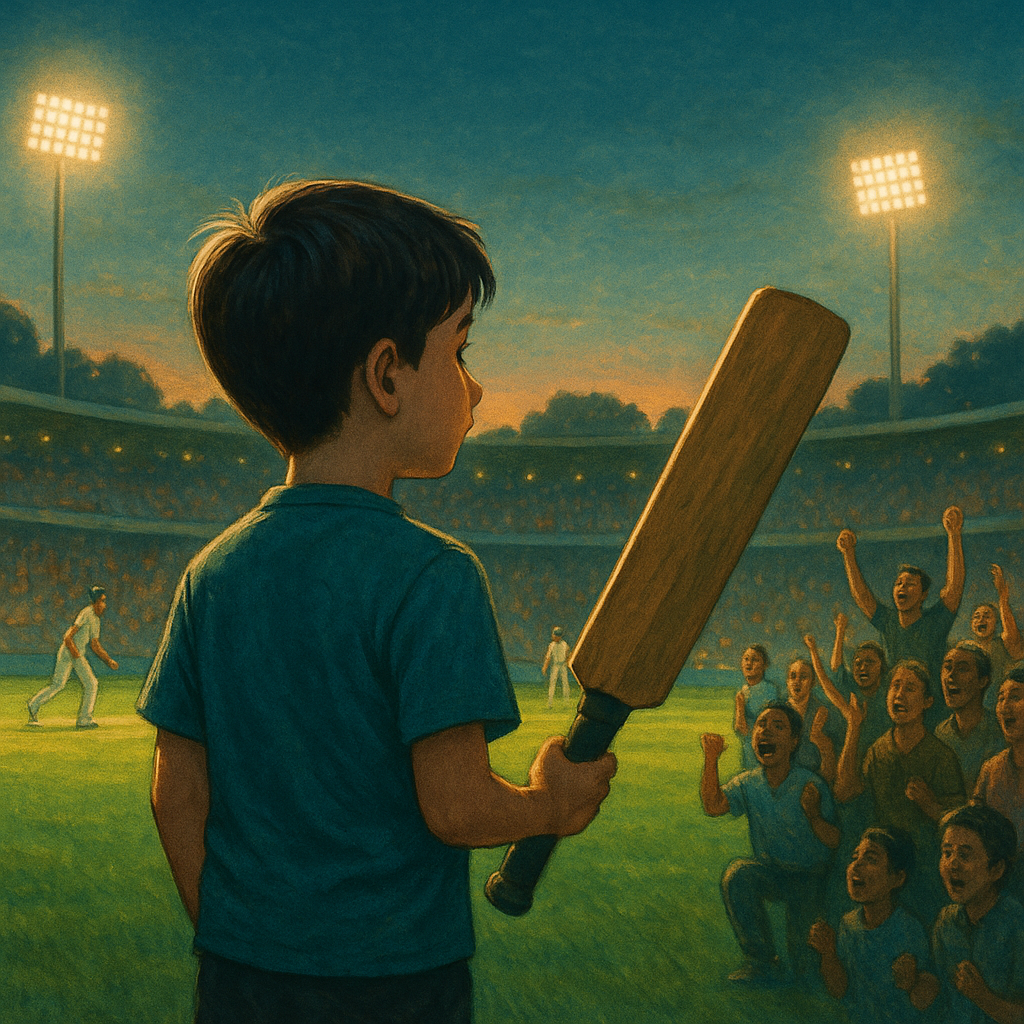
In an era dominated by fast-paced sports and instant gratification, cricket has remarkably maintained its stature as a global phenomenon. On a crisp April evening in Melbourne, during the 2026 ICC World Test Championship Final, the stadium was packed with over 100,000 spectators—an attendance figure that eclipsed many contemporary sporting events worldwide. The thrilling contest, featuring traditional powerhouses and emerging cricket nations, illustrated not only cricket’s resilience but its growing appeal across continents.
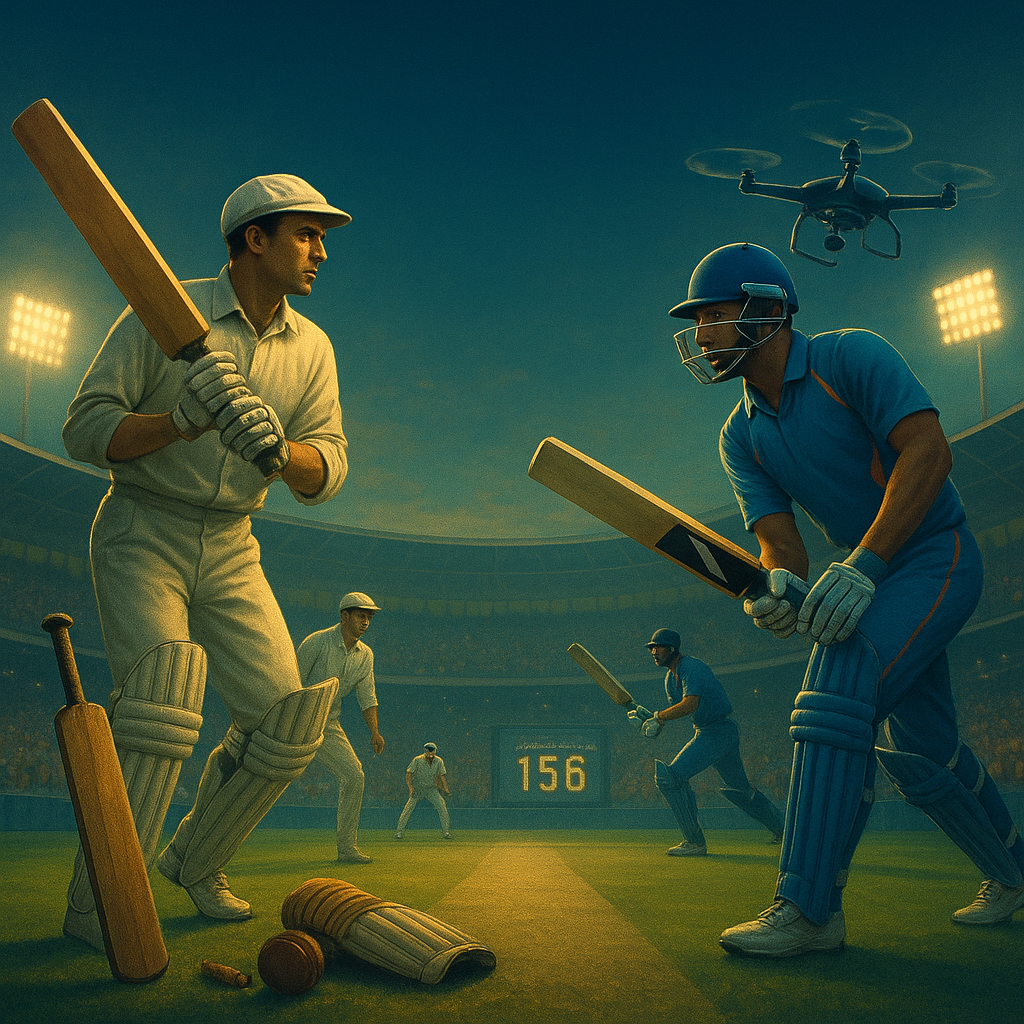
This scene embodies cricket’s unique blend of tradition and innovation. While rooted deeply in its 16th-century origins, the sport has evolved dynamically, reflecting cultural shifts and technological advancements. Understanding what sustains cricket’s worldwide fascination requires an exploration of its multifaceted nature—from its historic foundations to the latest strategic, commercial, and technological developments shaping its present and future.
“Cricket is more than a sport; it is a cultural tapestry woven with history, passion, and innovation,” remarks Dr. Anjali Mehta, a leading sports historian at the University of London.
Tracing Cricket’s Journey: From Village Greens to Global Arenas
Cricket’s genesis traces back to the southeastern counties of England in the late 1500s, where it was played as a pastime among shepherds and village youths. By the 18th century, the sport had formalized rules and was embraced by aristocrats, evolving into a symbol of British identity. The expansion of the British Empire propelled cricket overseas, embedding itself in colonies such as India, Australia, South Africa, and the Caribbean.
The 19th and 20th centuries witnessed cricket’s transformation into a structured international sport. The establishment of the Marylebone Cricket Club (MCC) in 1787 standardized laws, while the first Test match in 1877 between England and Australia laid the foundation for international competition. Post-independence, cricket became a vehicle for national pride and identity, especially in nations like India and Pakistan.
Over time, formats diversified. The introduction of One Day Internationals (ODIs) in the 1970s and Twenty20 (T20) cricket in 2003 revolutionized the game’s pace and appeal, attracting younger audiences and broader commercial interest. These innovations also triggered debates about preserving cricket’s essence versus embracing entertainment-driven evolution.
“The tension between tradition and innovation defines cricket’s history and fuels its ongoing evolution,” explains former England captain Alastair Cook.
Decoding Cricket’s Complexity: Formats, Rules, and Strategy
Cricket’s layered structure is one of its most distinctive features. The sport is played in three primary formats: Test cricket, the longest form spanning up to five days; One Day Internationals (50 overs per side); and T20 cricket, the shortest and most explosive format with 20 overs per side.
Each format demands unique tactical approaches. Test cricket emphasizes endurance, skill, and patience, often involving nuanced bowling spells and strategic field placements. Conversely, T20 cricket prioritizes aggressive batting, rapid scoring, and inventive bowling variations, reflecting modern entertainment values.
Understanding the game requires familiarity with its basic rules: two teams of eleven players each alternate batting and bowling. The batting team aims to score runs by hitting the ball and running between wickets, while the bowling and fielding team seeks to dismiss batsmen through various methods, including bowled, caught, or LBW (leg before wicket).
Cricket strategy integrates data analytics more than ever. Teams use ball-tracking technologies, player performance metrics, and predictive models to inform decisions. For instance, in the 2025 Ashes series, England’s use of AI-driven bowling plans contributed to their tactical superiority, illustrating the sport’s embrace of scientific methods.
- Key cricket formats: Test, ODI, T20
- Primary dismissal types: Bowled, caught, LBW, run out, stumped
- Crucial skills: Batting, bowling, fielding, captaincy tactics
- Modern tools: Hawk-Eye, Snickometer, AI analytics
Cricket in 2026: Innovations and Global Expansion
The cricketing landscape in 2026 reflects substantial evolution. Technology has enhanced fan engagement through augmented reality (AR) broadcasts and immersive stadium experiences. The rise of women's cricket has been meteoric; the 2026 Women's Cricket World Cup finals drew unprecedented viewership, surpassing some male tournaments in key markets.
Moreover, the sport’s globalization is accelerating. New cricketing nations such as the United States, Netherlands, and Nepal have gained Test status and are competing vigorously at the international level. The International Cricket Council (ICC) has invested heavily in development programs and infrastructure, recognizing cricket’s potential in untapped markets.
Commercially, cricket franchises have adopted blockchain-based fan tokens, allowing supporters to participate in decision-making and access exclusive content, a move that has increased loyalty and revenue streams. Broadcast rights remain highly lucrative, with digital streaming platforms securing multi-billion-dollar contracts globally.
On the pitch, hybrid playing surfaces combining natural grass and synthetic fibers improve game consistency and player safety, a direct response to climate change impacts on traditional grounds.
ICC President Sarah Thompson states, “Our commitment is to grow cricket inclusively and sustainably, ensuring it resonates with diverse audiences worldwide.”
Voices from the Crease: Expert Insights on Cricket’s Trajectory
Cricket’s enduring appeal and future prospects have attracted commentary from experts across disciplines. Former South African captain AB de Villiers highlights cricket’s adaptability: “The game thrives because it respects its roots but boldly embraces change. From T20 leagues to grassroots programs, cricket is evolving without losing its soul.”
Sports economists underline the strategic importance of cricket’s expansion. Dr. Ravi Desai from the Global Sports Institute emphasizes the sport’s growing economic footprint: “Cricket’s market size is projected to reach $12 billion by 2030, driven by emerging markets and innovative fan engagement models.”
Meanwhile, players advocate for balancing commercial interests with player welfare. The recent implementation of workload management protocols, supported by advanced biometric monitoring, aims to prevent burnout amid congested schedules.
- Expert endorsements: AB de Villiers, Sarah Thompson, Dr. Ravi Desai
- Key focus areas: Adaptability, economic growth, player health
- Emerging trends: Blockchain fan engagement, hybrid pitches, female cricket surge
Looking Ahead: What Cricket Enthusiasts Should Watch
As cricket advances toward the 2030 decade, several trends warrant close attention. First, the integration of artificial intelligence in coaching and umpiring promises to refine performance and fairness. Experimental formats, such as the recently trialed Six-a-Side international matches, may redefine the sport’s boundaries, appealing to even broader audiences.
Second, sustainability challenges are shaping venue management and scheduling. Cricket authorities are pioneering eco-friendly stadiums with solar power and water recycling systems, positioning the sport as a leader in environmental responsibility.
Third, the sport’s cultural significance is deepening through digital storytelling and esports adaptations, creating new entry points for younger demographics. The rise of cricket-themed virtual reality games is fostering global community building beyond traditional geographical strongholds.
“Cricket’s future lies in harmonizing its timeless spirit with bold innovation,” concludes sports analyst Priya Nair.
For fans keen on exploring cricket’s legends and its strategic evolution, TheOmniBuzz offers comprehensive coverage, including Top 10 Cricket Legends Who Redefined the Game Forever and How Cricket’s Strategic Evolution Is Redefining Its Global Reach. These resources deepen understanding of cricket’s rich past and dynamic present.
Cricket continues to defy notions of obsolescence, thriving through its intricate blend of history, skill, and innovation. For newcomers and seasoned followers alike, knowing cricket means appreciating a sport that encapsulates human drama, national pride, and the relentless pursuit of excellence.