
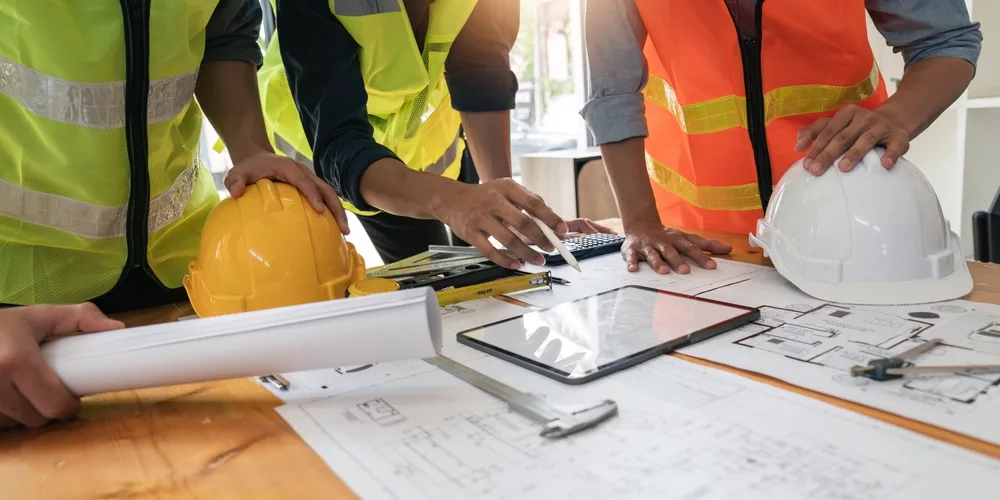
Successful construction projects require much more than quality materials and skilled trades. Whether it's an industrial facility, commercial building, or institutional development, every phase of construction must be carefully planned, coordinated, and monitored to keep work progressing efficiently. Without effective management, projects can experience delays, budget overruns, communication issues, and costly rework. That's why professional construction management has become an essential part of modern building projects.
Effective Construction Project Management provides the structure needed to coordinate every stage of a project, from pre-construction planning through final completion. By overseeing schedules, budgets, subcontractors, safety requirements, and quality standards, construction managers help minimize risks while keeping projects organized, efficient, and aligned with the owner's objectives.
Start with Thorough Pre-Construction Planning
A successful project begins long before construction starts. Pre-construction planning establishes a clear roadmap that helps reduce uncertainty and prepares the project team for every stage of development.
Planning activities typically include:
- Budget development
- Project scheduling
- Site evaluations
- Constructability reviews
- Risk assessments
- Procurement planning
- Permit coordination
Addressing these items early allows project teams to identify potential challenges before they impact construction timelines.
Coordinate Multiple Trades Efficiently
Industrial, Commercial, and Institutional (ICI) projects often involve numerous contractors working simultaneously. Proper coordination ensures each trade completes its work in the correct sequence without interfering with others.
Construction management helps coordinate:
- General contractors
- Electrical contractors
- Mechanical trades
- Plumbing contractors
- Concrete crews
- Structural steel installers
- Finishing trades
Efficient coordination minimizes downtime, reduces scheduling conflicts, and improves overall productivity on-site.
Maintain Strong Site Supervision
Daily site supervision keeps construction activities moving safely and efficiently while maintaining quality standards.
An experienced site management team may include:
- Construction Manager
- Site Superintendent
- Skilled labour
- Junior labour
- Dedicated project coordinators
Regular supervision allows managers to monitor progress, verify workmanship, address concerns promptly, and maintain consistent communication among all project participants.
Focus on Quality and Safety
Successful construction projects depend on maintaining high standards throughout every phase of work.
Quality-focused management includes:
- Material inspections
- Workmanship reviews
- Compliance monitoring
- Safety meetings
- Hazard identification
- Corrective action planning
A proactive approach helps reduce deficiencies while supporting a safer work environment for everyone on-site.
Keep Schedules Under Control
Meeting deadlines requires continuous monitoring of project schedules and construction milestones.
Professional managers regularly:
- Track daily progress.
- Monitor critical path activities.
- Coordinate subcontractor schedules.
- Adjust sequencing when necessary.
- Respond quickly to unexpected delays.
This proactive approach helps keep projects moving toward successful completion.
Control Costs Throughout Construction
Budget management continues throughout the life of every construction project.
Project managers monitor:
- Labour costs
- Material expenses
- Equipment usage
- Change orders
- Procurement schedules
- Resource allocation
Careful financial oversight helps minimize unnecessary expenses while maintaining project quality and performance.
Improve Communication Among Project Teams
Construction projects involve owners, architects, engineers, consultants, subcontractors, suppliers, and inspectors. Clear communication keeps everyone working toward the same objectives.
Many organizations, including a Construction Company in Cambridge Ontario, recognize that consistent communication improves decision-making, reduces misunderstandings, and helps projects remain on schedule.
Regular meetings, written reports, and progress updates ensure all stakeholders remain informed throughout construction.
Documentation and Reporting Matter
Accurate documentation provides accountability while helping projects remain organized.
Construction managers typically maintain:
- Daily site reports
- Progress photographs
- Safety documentation
- Inspection records
- Change order logs
- Meeting minutes
- Schedule updates
Comprehensive documentation simplifies project tracking and supports effective decision-making.
Prepare for Inspections and Deficiency Management
Construction management also plays an important role during inspections and project closeout.
Responsibilities often include:
- Coordinating inspections
- Tracking deficiencies
- Managing corrective work
- Confirming code compliance
- Preparing closeout documentation
Addressing deficiencies promptly helps prevent unnecessary project delays.
Support Fast-Track Construction Projects
Many commercial and institutional developments operate under accelerated schedules.
Construction managers help support fast-track delivery by:
- Overlapping construction activities where appropriate.
- Coordinating procurement early.
- Managing labour resources efficiently.
- Resolving issues before they affect critical milestones.
Flexible staffing and proactive planning help maintain project momentum without sacrificing quality.
Deliver End-to-End Project Support
Construction management provides oversight from project conception through final completion.
This includes:
- Planning
- Procurement
- Scheduling
- Site supervision
- Quality control
- Safety management
- Cost monitoring
- Reporting
- Final inspections
- Project closeout
Comprehensive support helps owners maintain confidence throughout the entire construction process.
Frequently Asked Questions
What is construction project management?
Construction project management involves planning, coordinating, supervising, and controlling every phase of a construction project to help achieve quality, schedule, and budget objectives.
Why is pre-construction planning important?
It identifies potential risks, establishes budgets and schedules, improves coordination, and reduces costly delays before construction begins.
How does construction management help control costs?
By monitoring budgets, labour, materials, schedules, procurement, and change orders throughout the project, managers can identify issues early and improve financial control.
What types of projects benefit from construction management?
Industrial, commercial, institutional (ICI), infrastructure, renovations, and large-scale building projects all benefit from professional construction management services.
Conclusion
Construction management is the foundation of successful project delivery. Through careful planning, effective communication, proactive problem-solving, quality control, dedicated site supervision, and continuous schedule and budget monitoring, project teams can navigate complex construction challenges with greater confidence. Whether managing a new industrial facility, commercial development, or institutional project, professional construction management helps create an organized process that supports safe operations, efficient workflows, and successful on-time, on-budget project completion.