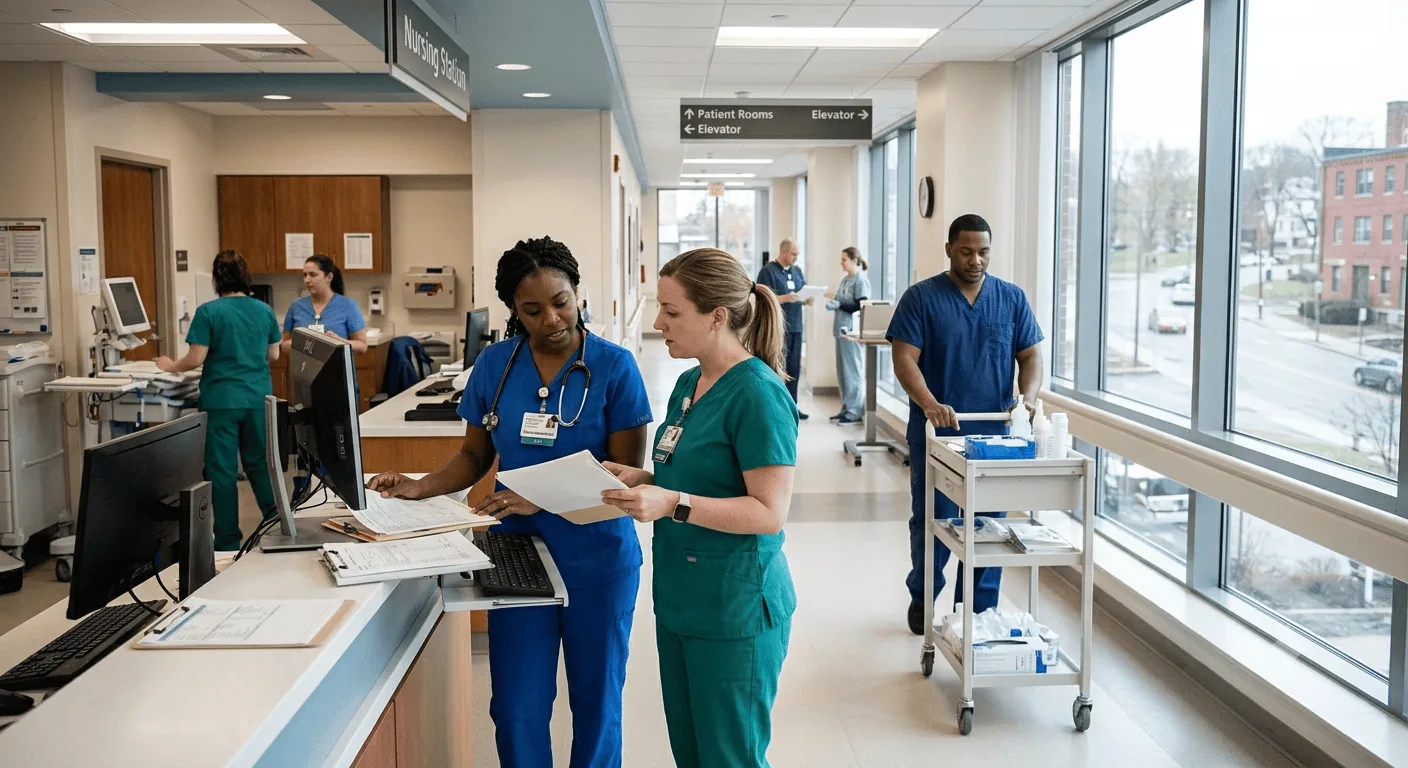
Healthcare facilities depend on qualified nursing support professionals to provide safe and consistent patient care. From nursing homes and rehabilitation centers to hospitals and assisted living communities, CNAs often have direct contact with patients throughout the day. For facilities facing open positions, employee absences, or changing patient needs, working with agencies for cna staffing can provide access to qualified professionals without leaving important shifts uncovered.
Why CNAs Are Essential to Patient Care
Certified Nursing Assistants play an important role in the daily care of patients. While they work under the direction of nurses and other healthcare professionals, their responsibilities often involve frequent and meaningful patient interaction.
CNAs may assist patients with:
- Bathing and personal hygiene
- Dressing and grooming
- Mobility and transfers
- Eating and drinking
- Position changes
- Basic daily activities
- Measuring and reporting vital signs
- Maintaining a clean and safe patient environment
- Providing companionship and emotional support
These responsibilities may seem routine, but they can have a major effect on patient comfort and safety.
When a facility does not have enough CNAs available, existing employees may face heavier workloads. This can contribute to stress, fatigue, scheduling problems, and difficulties maintaining the level of attention patients need.
Common Reasons Facilities Need CNA Support
Staffing shortages can happen even when a healthcare organization has an experienced team. Employee vacations, sick days, turnover, seasonal demand, increased admissions, and unexpected changes in patient volume can all create staffing gaps.
For example, a nursing facility may normally have enough CNAs for its regular schedule. If several employees are unexpectedly unavailable at the same time, the facility may need additional support quickly.
This is where temporary and flexible staffing can be useful.
Instead of relying only on permanent recruitment, healthcare organizations can use staffing solutions to bring qualified professionals into open shifts when additional support is needed.
How CNA Staffing Can Support Healthcare Facilities
A professional staffing partner can help facilities respond to workforce needs more efficiently. Depending on the organization's requirements, staffing support may be useful for short-term vacancies, recurring shifts, temporary assignments, or longer-term hiring needs.
1. Filling Unexpected Open Shifts
Last-minute absences can create immediate scheduling challenges. Having access to qualified CNA professionals can help facilities respond when regular employees are unavailable.
This is especially important in environments where patient care cannot simply be postponed because a staff member called out.
2. Supporting High Patient Volumes
Patient populations can change quickly. Hospitals, rehabilitation centers, and long-term care facilities may experience periods when more support professionals are needed.
Additional CNA coverage can help distribute daily responsibilities across an appropriately staffed team.
3. Reducing Pressure on Existing Employees
When staffing levels are low, existing employees may have to take on additional responsibilities. Over time, this can affect morale and increase workplace stress.
Additional CNA support can help create a more balanced workload, allowing staff members to focus on their responsibilities without constantly working around staffing shortages.
4. Supporting Continuity of Care
Patients benefit when care is organized and consistent. Adequate staffing can help ensure that essential daily activities are completed on schedule.
CNAs also spend significant time observing patients. Because of their regular interaction with patients, they may notice changes in behavior, mobility, appetite, or overall condition and report those observations to the appropriate clinical staff.
What Facilities Should Look for in CNA Staffing Partners
Choosing a staffing provider should involve more than simply filling an open shift. Healthcare organizations should consider whether the staffing partner understands the needs of the care environment.
Important factors include:
Qualified professionals: Staffing providers should connect facilities with appropriately qualified candidates.
Relevant experience: Experience in long-term care, rehabilitation, hospitals, assisted living, or other healthcare settings can be valuable depending on the assignment.
Scheduling flexibility: Facilities may need professionals for different shifts, including nights, weekends, holidays, or short-term assignments.
Communication: Clear communication between the facility, staffing provider, and healthcare professional can help prevent scheduling problems.
Reliability: Healthcare facilities need professionals who understand the importance of arriving on time and being prepared for their assigned responsibilities.
CNA Staffing Can Benefit Job Seekers Too
Staffing services are not only useful for healthcare employers. CNAs can also benefit from flexible opportunities that match their experience, schedule, and career goals.
Some professionals may prefer short-term assignments because they want more control over their schedules. Others may be looking for experience in different healthcare environments before choosing a permanent position.
Flexible staffing opportunities may allow CNAs to gain experience in different settings while continuing to build their professional background.
For professionals considering CNA assignments, it is important to understand the expectations of each facility. Different care environments may have different patient populations, workflows, documentation procedures, and staffing structures.
Why Reliable Staffing Matters for Patient Experience
Adequate staffing is closely connected to the daily patient experience. Patients need assistance with basic activities, mobility, comfort, and personal care.
When enough qualified professionals are available, staff can spend appropriate time supporting patients rather than constantly trying to manage staffing shortages.
This can also help healthcare organizations create a more organized work environment. Nurses and other clinical professionals can focus on their clinical responsibilities while CNAs provide appropriate support within their role.
Good staffing is therefore not simply about filling a schedule. It is about creating a workforce that can support patients safely and consistently.
Preparing for Future Staffing Needs
Healthcare organizations can benefit from planning for staffing needs before an urgent shortage occurs.
Facilities can review historical scheduling patterns, seasonal changes, turnover rates, employee availability, and patient volume to identify periods when additional support may be needed.
Maintaining a relationship with a reliable staffing provider can also make it easier to respond when unexpected needs arise.
Instead of beginning the search for qualified professionals only after a staffing crisis develops, facilities can establish a staffing strategy that includes permanent employees, flexible workers, and temporary support when appropriate.
Conclusion
CNAs play an important role in helping healthcare facilities provide safe, respectful, and consistent patient care. When organizations experience vacancies, unexpected absences, or changing patient needs, qualified staffing support can help maintain appropriate coverage and reduce pressure on existing teams. Choosing the right staffing partner can also help facilities respond more quickly while giving CNA professionals access to flexible opportunities.
For organizations looking to strengthen workforce coverage, direct care staffing can be an important part of a broader healthcare staffing strategy. A thoughtful approach can help facilities maintain dependable teams while keeping patient needs at the center of everyday care.
Frequently Asked Questions
1. What does a CNA do in a healthcare facility?
A CNA assists patients with daily activities such as personal hygiene, dressing, mobility, eating, positioning, and other basic care needs. CNAs also observe patients and report relevant changes to nurses or other clinical professionals.
2. When should a facility consider CNA staffing support?
Facilities may consider staffing support when they have unexpected employee absences, open positions, increased patient volume, seasonal demand, or difficulty maintaining adequate coverage with their existing workforce.
3. Can CNAs find flexible work through staffing agencies?
Yes. Staffing agencies may offer CNAs temporary, per diem, contract, or other flexible opportunities depending on the facility's needs and the professional's qualifications and availability.
4. Why is adequate CNA staffing important?
Adequate CNA staffing helps healthcare teams manage daily patient needs, distribute workloads, support patient comfort, and maintain a safer and more organized care environment.
For more information Visit site - https://empowercare.us/