
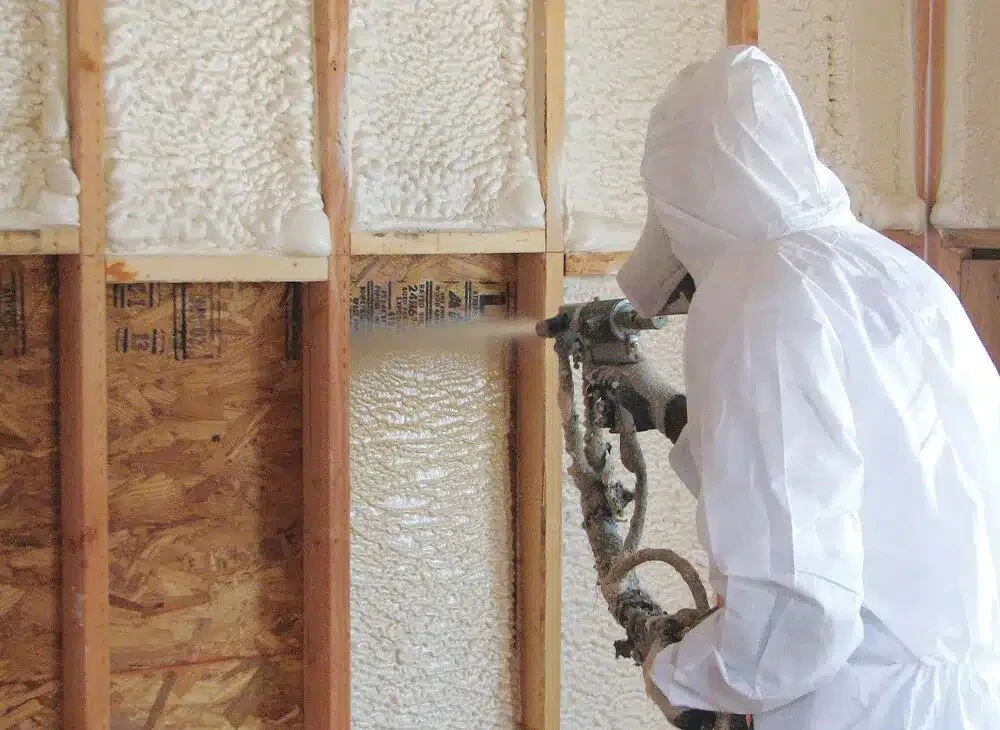
Closed-cell spray foam helps control home temperatures with a powerful two-part approach: it provides a high level of thermal resistance and creates a nearly perfect air seal. First, its dense structure is filled with a gas that is a poor conductor of heat, giving it a very high R-value per inch, which slows heat transfer through walls and ceilings. Second, and just as important, it expands upon application to fill every crack and gap, effectively stopping air leakage. This combination ensures that conditioned air stays inside and outside temperatures stay out, leading to a stable, comfortable indoor environment.
While many insulation products can slow heat transfer, the ability to also stop uncontrolled air movement is what sets closed-cell foam apart. Based on principles of building science and extensive field application, this article will explain exactly how these properties work together to give homeowners precise control over their home's climate.
The Foundation of Control: High Thermal Resistance
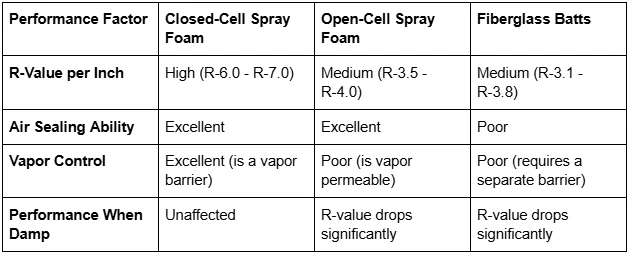
The primary job of any insulation is to resist the flow of heat, a property measured by its R-value. Heat naturally moves from warmer areas to cooler ones. In the winter, it tries to escape your heated home; in the summer, it tries to invade your air-conditioned space. Closed-cell spray foam insulation excels at resisting this movement. It has one of the highest R-values of any commercially available insulation, typically ranging from R-6.0 to R-7.0 per inch of thickness.
This high thermal resistance means that it takes much longer for heat to pass through a wall or roof assembly insulated with closed-cell foam. The result is a home that stays warmer in the winter and cooler in the summer with significantly less effort from the HVAC system. This efficiency isn't just about comfort; it translates directly into lower energy consumption and reduced utility bills.
The Air Seal: Stopping Temperature Swings at the Source
Even a wall with a high R-value can fail to control temperature if it allows air to move through it. Air leakage, or infiltration, is a major cause of energy loss in homes. The U.S. Department of Energy estimates that air leaks can account for 25% to 40% of the energy used for heating and cooling. This is where closed-cell spray foam's second major benefit comes into play.
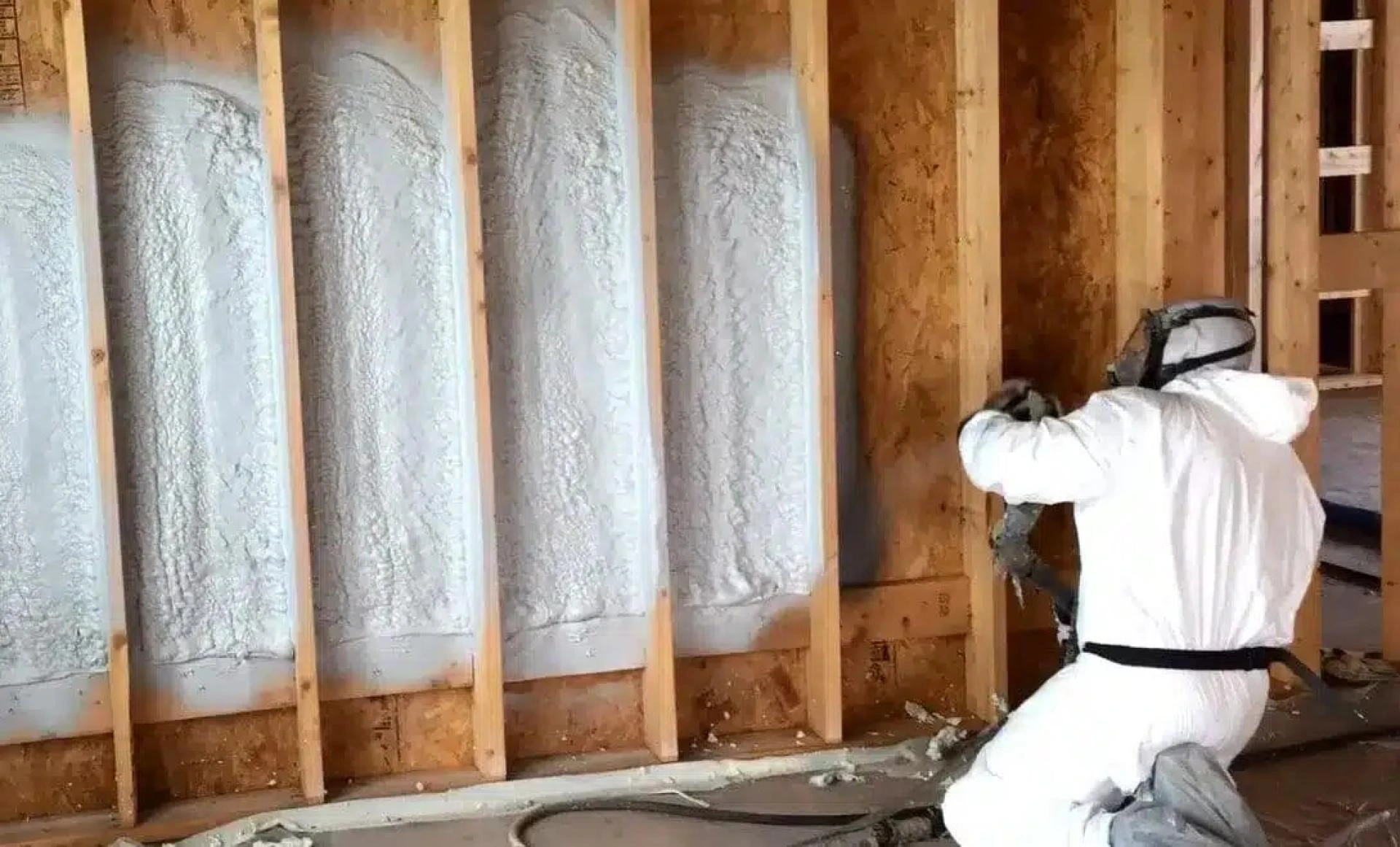
When it's applied, the foam expands and adheres to surfaces, creating a solid, continuous, and airtight barrier. This seal eliminates the drafts and convection currents that undermine the performance of other insulation types.
- Drafts are eliminated: Small gaps around windows, electrical outlets, and plumbing penetrations are completely filled.
- Convection loops are stopped: Within a wall cavity, air can circulate, with warm air rising and cool air falling, creating a "loop" that constantly transfers heat. Closed-cell foam fills the entire cavity, stopping this air movement.
By creating this comprehensive air seal, closed-cell foam ensures that the home's temperature is determined by the thermostat, not by the weather outside.
Bonus Tip: The two most critical areas to air seal for immediate temperature control are the attic and the rim joists in a basement or crawl space. These are the top and bottom of the "stack," where most air enters and exits a home.
A Closer Look at Insulation and Temperature Control
Different insulation materials manage temperature with varying degrees of effectiveness. The key factors are not just R-value but also how well they control for air and moisture, which both have a big impact on thermal performance.
The Role of Moisture Control in a Stable Temperature
Moisture is the enemy of most types of insulation. When materials like fiberglass or cellulose get damp, their insulating properties plummet because water is a good conductor of heat. A damp, poorly insulated wall will feel cold and clammy, regardless of what the thermostat says.
Closed-cell spray foam is "hydrophobic," meaning it repels water. Its cell structure is completely sealed, so it cannot absorb moisture. This makes it a powerful vapor barrier, preventing moisture from the outside from getting into the wall cavity. This property is particularly valuable in damp climates, as it ensures the insulation's R-value remains stable and effective for the life of the home. By keeping the building structure dry, it helps maintain a consistent and comfortable indoor temperature.
Bonus Tip: Using closed-cell spray foam on the interior of basement foundation walls is an excellent way to insulate and create a moisture barrier at the same time, which helps keep the basement dry and prevents cold floors above.
Things to Consider Before Choosing Closed-Cell Foam
While closed-cell foam is a top performer for temperature control, there are several factors homeowners should weigh.
- The Initial Cost: Closed-cell spray foam has a higher upfront cost per square foot compared to traditional insulation options. It's best viewed as a long-term investment that provides returns through energy savings and improved comfort.
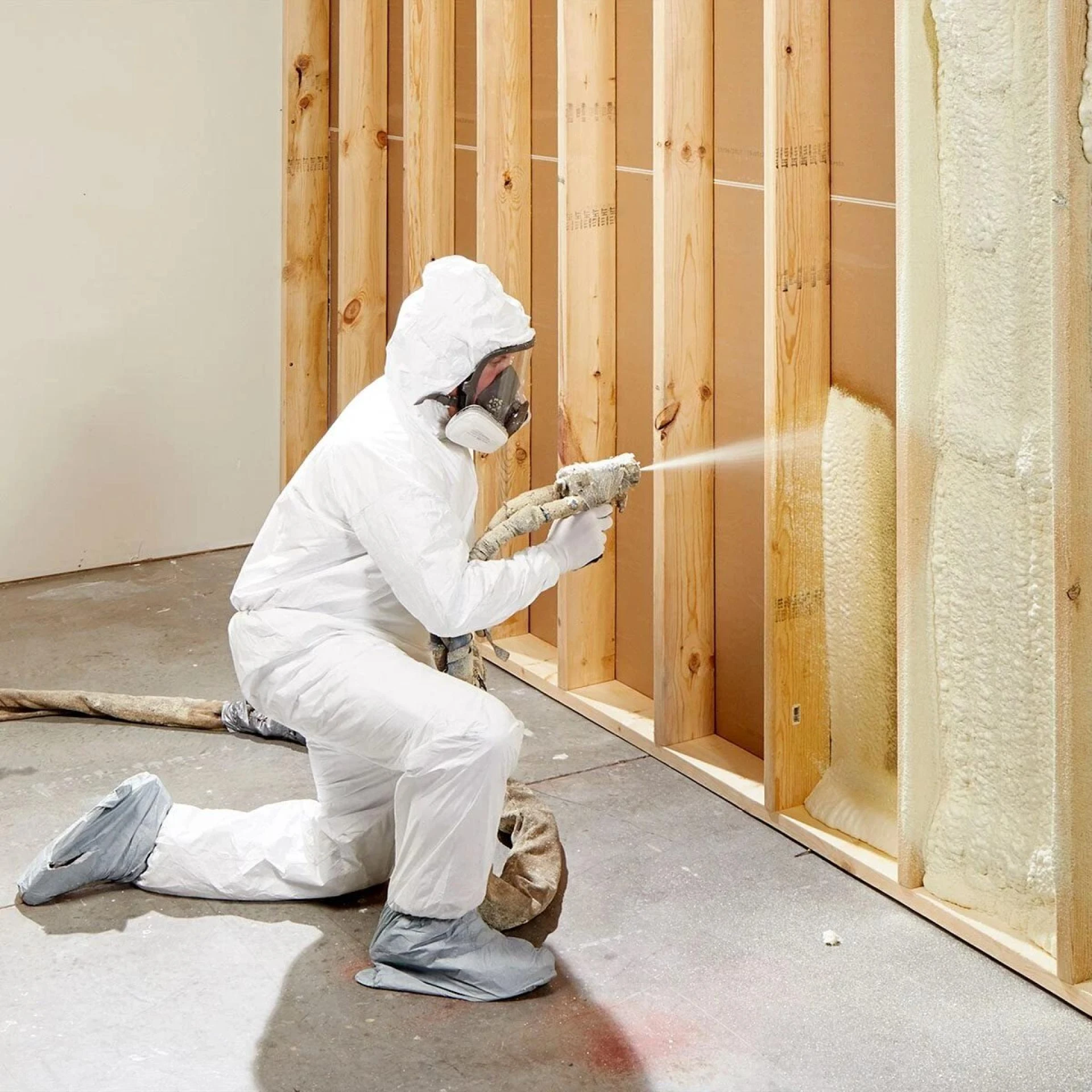
- The Need for Professional Installation: This is not a DIY project. The foam is created through a chemical reaction that requires precise temperatures, pressures, and application techniques. Hiring a qualified, experienced contractor is essential to ensure the foam cures correctly and performs as expected.
- Home Ventilation: Because closed-cell foam makes a home extremely airtight, it's important to ensure the home has adequate mechanical ventilation. A tightly sealed home needs a system to exchange stale indoor air for fresh outdoor air to maintain healthy air quality.
Common Questions About Temperature Control
Is closed-cell foam better than open-cell foam for controlling temperature?
Yes. While both are excellent air barriers, closed-cell foam has a significantly higher R-value per inch and is a moisture barrier. This makes it a more powerful and reliable insulator, especially in colder climates or areas with high humidity.
Will spray foam make my house feel stuffy?
Spray foam itself doesn't make a house stuffy, but creating an airtight home can. The "stuffiness" comes from a lack of fresh air exchange. This is why building codes for new, airtight homes require mechanical ventilation systems, like an ERV or HRV, to ensure a constant supply of fresh air.
How much closed-cell foam do I need?
The required thickness depends on your climate zone and where in the house it is being installed (e.g., walls vs. roof). A local insulation professional can provide a recommendation based on building science principles and local energy codes to achieve optimal temperature control.
Does the foam lose its effectiveness over time?
No. Once cured, closed-cell spray foam is a stable and inert plastic. It does not sag, settle, or lose its R-value over time like some other insulation materials can. Its ability to control temperature will last for the life of the home.
Can closed-cell foam help with hot or cold bonus rooms?
Absolutely. Bonus rooms over garages are notoriously difficult to keep comfortable because of the unconditioned space below. Spraying closed-cell foam on the underside of the bonus room floor is one of the most effective ways to isolate it from the temperature swings of the garage and create a comfortable living space.
Achieving a Consistently Comfortable Home
Closed-cell spray foam provides homeowners with an exceptional level of control over their home's temperature. By combining a high R-value with a superior air seal, it addresses the two primary ways that a home loses or gains heat. This results in a stable, draft-free environment that is less expensive to heat and cool and more comfortable to live in year-round. It is a comprehensive solution for anyone looking to achieve ultimate control over their indoor climate.
Getting a Professional Insulation Assessment
To understand how closed-cell spray foam can best be used to control the temperature in your specific home, a professional evaluation is the first step. An expert can use diagnostic tools to find air leaks and determine the right insulation strategy. For homeowners looking for a detailed assessment, a qualified company like Cascadia Spray foam Insulation of Seattle can provide expert guidance. They can be reached for a consultation at (425) 386-3500 or by email at [email protected].
Reviewer: Olivia Thompson has spent 10 years working in spray foam insulation, helping companies grow their visibility. She reviewed this article and provided valuable suggestions on how to better align the content with the needs and expectations of customers, ensuring it resonates with the target audience.