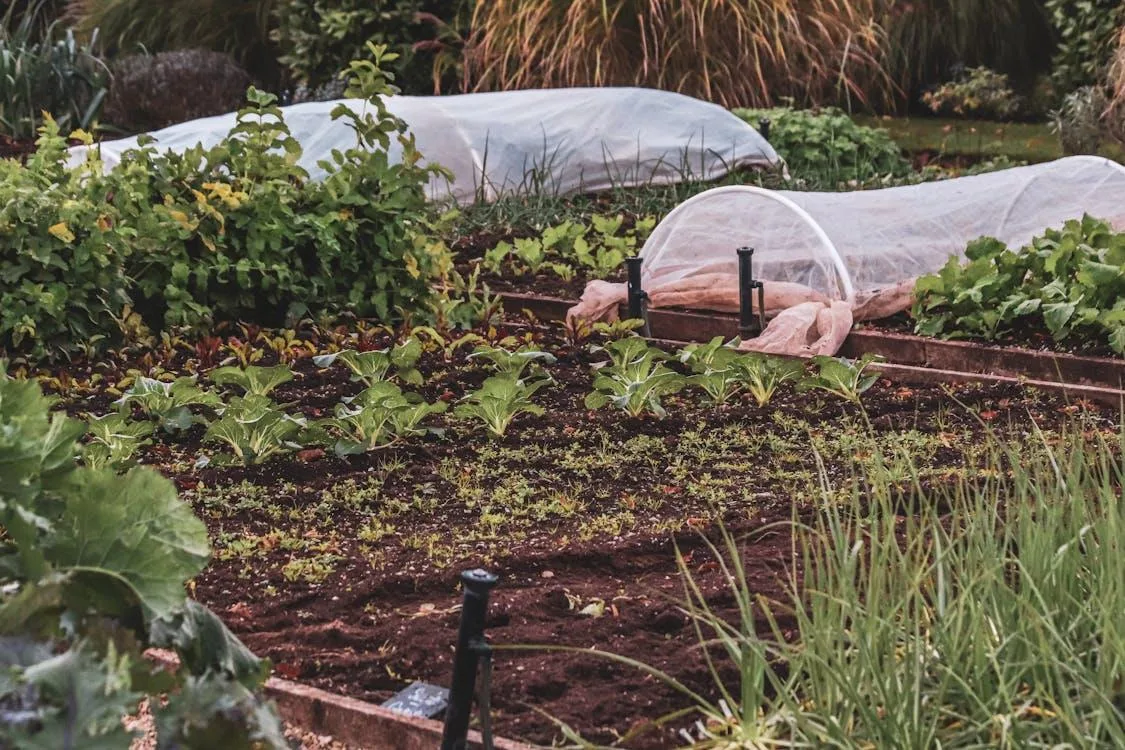
Have you noticed how unpredictable weather patterns are changing the way we approach planting and landscape design? Homeowners are no longer relying on traditional methods alone. Instead, climate-adaptive strategies are reshaping how gardens are planned, planted, and maintained. Across Long Island, this shift is driving interest in smarter plant selection, water-conscious practices, and expert-led planning. Whether visiting a garden center near local communities or seeking guidance from a plant nursery near trusted sources, gardeners are prioritizing resilience more than ever before. This evolution is not just a trend. It represents a long-term transformation in how outdoor spaces are designed to thrive under changing environmental conditions.
Understanding Climate-Adaptive Gardening
Climate-adaptive gardening focuses on selecting plants and practices that can withstand local environmental stressors such as heat, drought, heavy rainfall, and fluctuating seasonal patterns. Instead of reacting to problems after they occur, gardeners plan ahead using informed strategies. Working with a plant expert near your area can help identify which species are best suited for current and future conditions. This includes choosing perennial plants near local suppliers that can survive year after year with minimal intervention, as well as incorporating annual gardening near seasonal cycles for flexibility and color. Gardeners are also rethinking soil health, irrigation methods, and plant spacing to create landscapes that are both efficient and visually appealing.
The Role of Local Expertise
One of the most valuable resources in climate-adaptive gardening is local knowledge. Conditions can vary significantly even within small regions, which is why working with a garden expert near your community provides a significant advantage. Professionals at garden centers near Long Island understand soil composition, regional pests, and seasonal timing. Their insights allow homeowners to make informed decisions about plant selection and care routines. Additionally, seeking gardening advice near experienced professionals ensures that even beginners can adopt sustainable practices without unnecessary trial and error. This guidance often extends to recommendations on soil amendments, watering schedules, and plant pairings that improve overall garden health.
Resilient Plant Selection for Modern Landscapes
Selecting the right plants is central to climate-adaptive gardening. Native and locally grown species are increasingly popular because they are naturally suited to regional conditions. These plants require less water, fewer chemical inputs, and less maintenance overall. Homeowners are turning to garden plants near trusted sources that offer varieties proven to perform well in Long Island’s climate. Incorporating seasonal gardening near best practices also helps ensure that planting schedules align with weather patterns, maximizing growth and minimizing loss. In addition, many gardeners are blending aesthetics with function. Drought-tolerant plants, pollinator-friendly species, and layered planting designs all contribute to a more resilient and visually dynamic landscape.
Sustainable Practices That Make a Difference
Climate-adaptive gardening is not just about plant selection. It also involves adopting sustainable practices that reduce environmental impact while improving efficiency. Mulching, composting, and water conservation techniques are becoming standard. Homeowners are learning how to use gardening supplies near local providers effectively, focusing on tools and materials that support long-term sustainability. Rather than simply purchasing products, many gardeners rely on guidance from a garden center near their community to understand how and when to use these supplies. This approach ensures that resources are used efficiently and that gardens remain healthy throughout the year.
Designing for Changing Seasons
Seasonal transitions are becoming less predictable, which makes planning even more important. Climate-adaptive gardens are designed to perform well across multiple conditions, from early spring growth to late summer heat. By integrating seasonal gardening near Long Island into their planning, homeowners can maintain consistent growth and visual appeal. This includes rotating crops, selecting plants with staggered bloom times, and preparing soil for changing weather patterns. Working with nurseries near local communities also helps gardeners access plants that are ready for current conditions, reducing the risk of transplant shock or poor performance.
Why Climate-Adaptive Gardening Matters
The benefits of climate-adaptive gardening extend beyond individual properties. These practices contribute to broader environmental health by conserving water, reducing chemical use, and supporting biodiversity. For homeowners, the advantages are equally compelling. Lower maintenance requirements, reduced costs over time, and more reliable plant performance make climate-adaptive strategies a practical choice. As more people seek out garden centers near their communities for expert guidance, the shift toward resilient gardening continues to gain momentum. This movement reflects a deeper understanding of how thoughtful planning can create landscapes that thrive despite uncertainty.
Looking Ahead: The Future of Home Landscapes
Climate-adaptive gardening is shaping the future of residential landscapes by combining science, sustainability, and design. As knowledge continues to evolve, gardeners will have even more tools and strategies at their disposal. Access to expert insights from a plant nursery near local communities, combined with reliable gardening advice near professionals, ensures that homeowners can stay ahead of changing conditions. This proactive approach transforms gardening from a reactive task into a strategic, rewarding experience. For those looking to build resilient, beautiful outdoor spaces, the key lies in embracing change and working with knowledgeable experts who understand the local environment.
To explore expert guidance and climate-adaptive gardening solutions, readers can learn more about the garden center near Long Island by visiting GardenWorx Long Island’s About Us, browse their Farm & Garden resources, or explore their Garden Center offerings. Their team provides tailored insights to help homeowners create sustainable, resilient landscapes.