
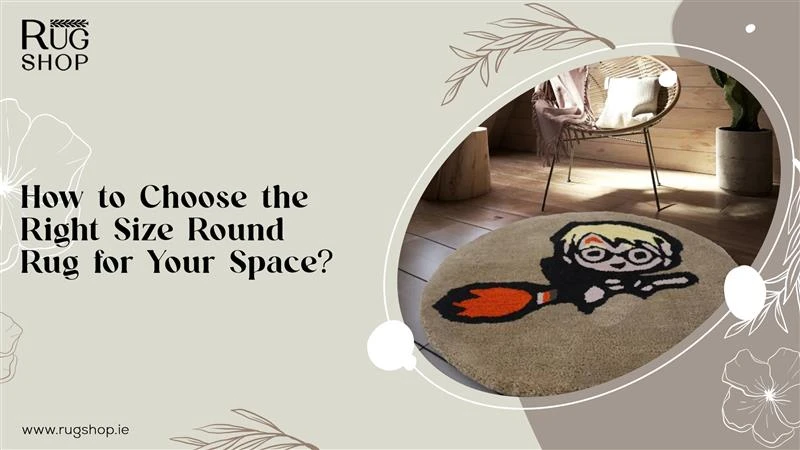
Choosing the right rug can transform a room, adding warmth, style, and personality. While rectangular rugs are common, round rugs are becoming increasingly popular for their versatility and ability to soften angular spaces. Whether you’re decorating a living room, bedroom, or dining area, selecting the right size is important for balance and functionality. This guide will help you choose the perfect round rug for your space while also considering complementary pieces like a runner rug for hallways.
Why Size Matters?
The size of a rug affects the overall look and feel of a room. A rug that’s too small may make a space feel disjointed, while an oversized rug can overwhelm furniture and restrict movement. Round rugs are especially tricky because they don’t align with typical furniture angles. Proper sizing ensures your furniture fits comfortably on or around the rug, creating a pleasing layout.
Measuring Your Space
Start by measuring the area where you want to place the rug. In living rooms, the rug should ideally sit under the front legs of sofas and chairs, providing a unified look. For bedrooms, consider placing a round rug under the bed or at the foot of it for a soft, inviting touch.
If you have a hallway or corridor, a runner rug is often the better choice, as it provides coverage along the length of the space while maintaining a streamlined look. Measure the length and width of the corridor and leave a border on each side to ensure the runner doesn’t feel cramped.
Consider Your Furniture
The placement of your furniture will influence the size of your round rug. In a dining room, the rug should be large enough for chairs to remain on the rug even when pulled out. A small rug under a coffee table may work for seating areas where the furniture isn’t anchored to the rug.
For living rooms, a rug that allows your sofa, armchairs, and coffee table to sit partially or fully on it will create a balanced, grounded space. In smaller rooms, using a round rug as a focal point can open up the area and make it seem larger.
Functionality and Flow
Think about the function of the space. In high-traffic areas, a slightly larger round rug ensures it won’t shift or create hazards. In entryways or corridors, a runner rug works best to guide movement while protecting the flooring.
The material of the rug also matters for practicality. Wool, cotton, and durable synthetic blends are excellent for living rooms and hallways, while softer textures like shag or viscose work well in bedrooms.
Style Considerations
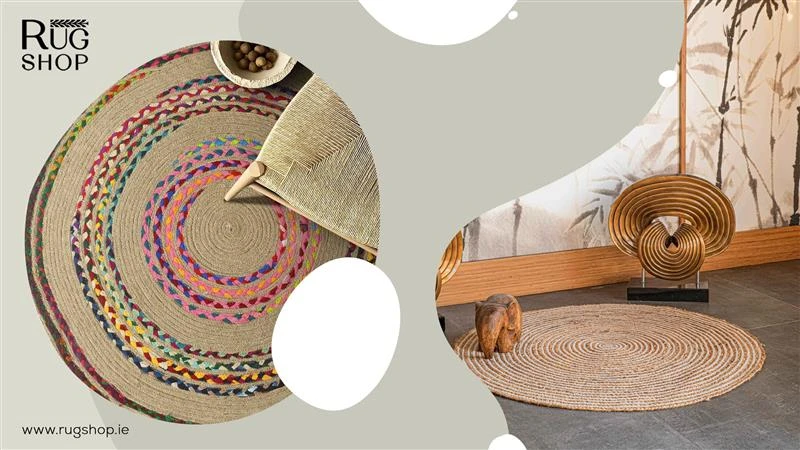
While size is crucial, don’t forget style. A patterned round rug can become the focal point of a room, drawing attention to key furniture pieces. Neutral or textured rugs are versatile and work in multiple settings. Pairing a round rug with a runner rug in hallways or alongside other rugs can create a cohesive aesthetic throughout your home.
Layering rugs is also an option. Placing a smaller round rug over a larger rectangular rug adds depth and interest, especially in open-plan spaces or living areas.
Practical Tips
- Leave Borders: Always leave some floor visible around the rug to avoid a cramped appearance.
- Test with Tape: Use painter’s tape to outline the rug’s dimensions on the floor before purchasing.
- Measure Furniture Legs: Make sure that sofas, chairs, and tables sit correctly relative to the rug.
- Think Ahead: Consider how the rug will interact with doors, walkways, and other rugs like runner rugs.
Find the Perfect Round Rug or Runner Rug to Transform Your Space Today
Choosing the right size round rug can dramatically enhance your home’s comfort and style. By carefully measuring your space, considering furniture placement, and factoring in functionality, you can select a rug that complements your decor while serving practical needs. Remember, for hallways and narrow spaces, a runner rug is often the ideal choice. Whether as a focal point or a subtle accent, the right rug will tie your space together, providing warmth, texture, and elegance.