How Changing Consumer Preferences Are Shaping India’s Ready-to-Drink Beverage Market
India’s beverage habits are changing. Consumers are no longer choosing drinks only for refreshment; convenience, flavour, ingredients, packaging, and the overall drinking experience are becoming increasingly important. This shift is helping ready-to-drink (RTD) beverages become a more visible part of India’s modern food and beverage market.
From bottled iced teas and cold coffees to milkshakes, fruit-based drinks, and traditional Indian beverages in convenient formats, RTD products are giving consumers more choices for everyday consumption.
Convenience Is Becoming a Major Factor
Busy routines have changed the way people consume food and beverages. Office workers, students, travellers, and consumers with active lifestyles often look for products that require little or no preparation.
Ready-to-drink beverages fit naturally into this lifestyle. A chilled bottle can be purchased from a store, café, supermarket, or online platform and consumed immediately.
The growth of quick-commerce and e-commerce is also making beverages easier to discover and purchase. Redseer has reported that convenience and quick commerce are playing an increasing role in India's RTD beverage market, particularly for on-the-go consumption.
Consumers Want More Variety
Another important change is the demand for greater variety. Traditional soft drinks are no longer the only option available to consumers.
Today's beverage shelves can include iced tea, cold brew coffee, flavoured milkshakes, fruit beverages, functional drinks, and traditional Indian flavours.
This gives consumers the opportunity to choose a drink according to their mood, occasion, or personal taste. For example, someone may choose iced tea for a light refreshment, cold coffee for an afternoon pick-me-up, or a traditional mango or tamarind beverage when they want a familiar Indian flavour.
Health and Ingredient Awareness Are Growing
Consumers are also paying greater attention to what goes into their beverages. Interest in wellness, nutrition, sugar levels, and ingredient transparency is influencing product development.
In 2026, Innova Market Insights identified health, affordability, functionality, and familiar flavours among important food and beverage themes in India. Its research also highlighted growing interest in functional beverages and products positioned around ingredients and wellbeing.
This does not mean consumers have stopped enjoying indulgent beverages. Instead, the market is becoming more diverse. Some consumers may want a lighter drink, while others may choose a creamy milkshake or flavoured coffee as an occasional treat.
For beverage brands, this creates an opportunity to develop products that balance taste, convenience, and clear ingredient communication.
Flavour Innovation Is Changing Beverage Choices
Flavour is another important part of the RTD experience. Consumers are becoming more comfortable experimenting with combinations beyond traditional beverage flavours.
Iced teas can include fruit-inspired flavours, cold coffees can feature different flavour profiles, and Indian beverages can bring familiar ingredients into modern packaged formats.
This combination of familiarity and experimentation is particularly relevant in India, where regional flavours and traditional drinks provide a strong foundation for innovation.
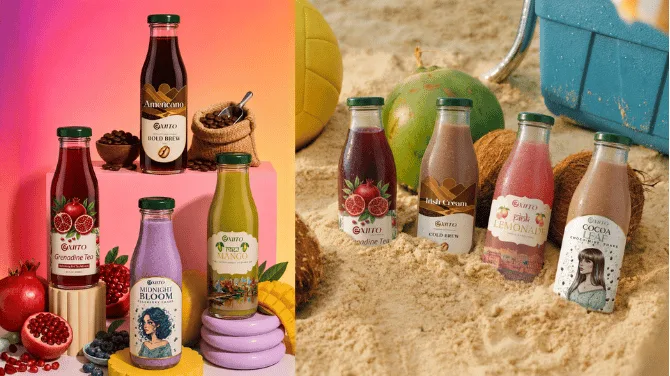
Brands such as EXIITO Beverages are part of this broader movement toward packaged beverages that combine modern convenience with varied flavour experiences, including iced teas, milkshakes, cold brew coffees, and traditional Indian drinks.
Packaging Is Part of the Experience
Packaging also influences how consumers perceive a beverage. A well-designed package can communicate the product's flavour, positioning, serving format, and overall character before the consumer even opens it.
For premium beverages, packaging can become part of the experience. Glass bottles, distinctive labels, convenient sizes, and clear product information can help products stand apart on crowded shelves.
At the same time, packaging needs to balance appearance with practicality, safety, transportation, storage, and cost.
Premium Beverages Are Finding Their Place
India's packaged beverage market is also seeing greater interest in premium and niche products. Consumers with access to more brands and digital content are increasingly exposed to specialty coffees, flavoured teas, artisanal beverages, and other differentiated products.
This creates space for brands that focus on a clear identity rather than trying to appeal to everyone with the same product.
Quick Commerce Is Changing Discovery
The way consumers find beverages is changing alongside what they drink. Quick-commerce platforms have made it easier for consumers to discover and purchase chilled and packaged beverages when they want them.
This is particularly relevant for RTD products because they are naturally suited to immediate consumption. A consumer searching for a cold coffee, iced tea, juice, or other drink can discover multiple options within a few minutes.
As digital channels continue to develop, beverage brands need to think beyond physical shelf placement and consider how products appear in online searches, product listings, social media, and digital marketplaces.
Traditional Flavours Can Have a Modern Format
Modern beverage consumption does not necessarily mean leaving traditional flavours behind.
Indian consumers are familiar with flavours such as raw mango, tamarind, lemon, and other regional ingredients. Packaging these familiar tastes in convenient ready-to-drink formats can create a connection between tradition and modern lifestyles.
This is one reason India's beverage market has room for both international-style products and locally inspired drinks.
What Does the Future Look Like?
India's RTD beverage market is likely to remain diverse as consumer preferences continue to evolve. Convenience will remain important, but it will increasingly work alongside taste, product variety, ingredient awareness, packaging, affordability, and digital accessibility.
The opportunity for beverage brands is therefore not simply to create another bottled drink. It is to understand why consumers choose a particular beverage and what occasion the product is designed for.
For consumers, this changing market means more choices than ever—from iced teas and cold coffees to milkshakes, fruit beverages, functional drinks, and traditional Indian flavours.
The ready-to-drink category is ultimately becoming less about simply providing a drink and more about providing the right combination of taste, convenience, variety, and experience for modern Indian consumers.