Our body constantly reflects our lifestyle—how we eat, sleep, move, and recover. Sometimes, these daily patterns reveal subtle changes that shouldn’t be ignored. In many cases, these small shifts may appear as early cancer symptoms, which makes paying attention to your body extremely important.
Being aware of these changes is not about creating fear. Instead, it helps you respond early before a minor concern turns into a serious health issue. Many individuals who later receive a diagnosis often recall experiencing unusual signs beforehand, such as persistent fatigue, digestive discomfort, or sleep disturbances that did not improve with rest. These early signals, though often overlooked, can be valuable clues.
Understanding what is normal for your body gives you an advantage. When something changes, early evaluation can lead to quicker answers and more manageable treatment options. In this guide, we discuss important cancer symptoms to watch for, how they may relate to different body systems, and practical steps to take if something feels unusual.
What Happens Before Cancer Becomes Severe?
Cancer typically does not develop overnight. It often begins with gradual cellular changes that may take months or even years to progress. During this time, the body may show mild or vague symptoms that people often dismiss.
Early signs can include small sores that take a long time to heal, subtle breathing difficulties, or unexplained changes in appetite. Because these symptoms seem minor, many people ignore them until they become more noticeable.
It’s important to remember that a single symptom does not always indicate a serious illness. What matters more is the duration and pattern of the symptoms. Lifestyle factors such as poor digestion, chronic stress, low immunity, irregular sleep, and tobacco or alcohol use can gradually weaken the body’s ability to repair itself.
According to Ayurvedic principles, when digestion and internal balance become disturbed, the body’s resilience decreases. This can make it easier for diseases to develop and progress, which is why recognizing early cancer signs becomes so important.
Common Cancer Symptoms You Should Not Ignore
Many cancer symptoms can also occur in other conditions. However, if they continue for two to three weeks or longer, it is wise to consult a healthcare professional.
Unexplained Weight Loss
Losing several kilograms without dieting or increased physical activity may indicate that the body is using extra energy due to an underlying problem.
Persistent Fatigue
Extreme tiredness that does not improve with proper rest can sometimes appear during the early stages of illness.
Unusual Lumps or Swelling
Any new lump in areas such as the breast, neck, underarms, or groin should be examined by a doctor, even if it is painless.
Long-Lasting Pain
Persistent pain in the back, abdomen, or bones without a clear cause should always be investigated.
Unusual Bleeding
Blood in urine, stool, cough, or abnormal vaginal bleeding can sometimes signal serious underlying conditions and require prompt medical attention.
Signs of Cancer in the Body: System-Wise Changes
Looking at symptoms according to body systems can make it easier to understand possible warning signs.
Digestive System
Persistent bloating, difficulty swallowing, frequent indigestion, long-term constipation or diarrhea, and blood in the stool may indicate digestive tract concerns.
Respiratory System
A cough or hoarseness lasting longer than three weeks, or unexplained breathlessness, should be medically evaluated.
Skin and External Signs
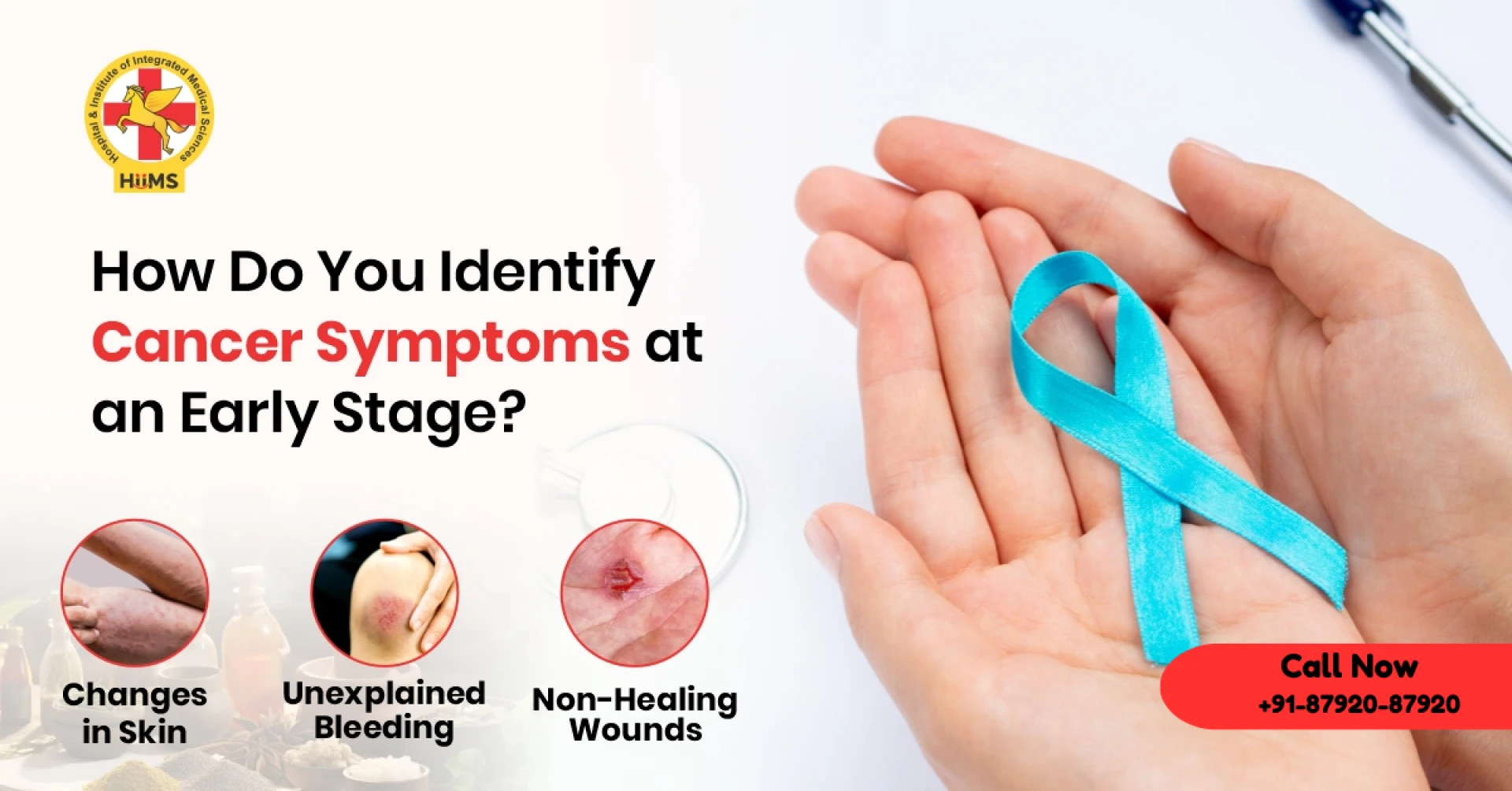
Changes in a mole’s shape or color, wounds that do not heal, or unusual skin thickening may act as visible warning signs in body tissues.
Cancer Symptoms in Men and Women
Certain warning signs can differ based on gender and specific organs.
Cancer Symptoms in Men
Men should pay attention to symptoms such as difficulty urinating, blood in urine or semen, or the appearance of a testicular lump.
Early Warning Signs in Women
Changes in breast shape or size, persistent pelvic discomfort, unusual vaginal discharge, or bleeding after menopause should always be medically assessed.
Why Early Cancer Signs Are Often Ignored
Many people delay seeking medical help due to busy schedules, fear of diagnosis, or the habit of self-treating minor symptoms. Often, mild discomforts are dismissed as everyday problems rather than potential warning signs.
Unfortunately, this delay can reduce the benefits of early cancer detection. Identifying symptoms sooner often allows for simpler treatment and better recovery outcomes.
When Should You Seek Medical Help?
Certain symptoms require immediate medical attention, such as:
- Heavy or unusual bleeding
- Severe breathlessness
- Sudden weakness or fainting
- Rapidly worsening pain
For other symptoms that persist for two to three weeks, scheduling a medical consultation is strongly recommended to ensure proper evaluation.
Conclusion
Listening to your body and noticing small changes can make a significant difference in maintaining long-term health. Symptoms such as unexplained weight loss, ongoing fatigue, unusual lumps, or abnormal bleeding should never be ignored.
Early recognition of cancer symptoms can lead to timely diagnosis and more effective treatment. Taking action early allows healthcare professionals to identify problems sooner and recommend appropriate care.
For individuals seeking guidance and integrated healthcare support, consulting experienced professionals can help clarify symptoms and provide the right direction for treatment and lifestyle improvements.
FAQs
1. What early signs should I never ignore?
Any symptom that persists for more than two to three weeks, such as unexplained weight loss, fatigue, or a new lump, should be checked by a doctor.
2. Does having one symptom mean cancer?
No. A single symptom rarely confirms a diagnosis. Doctors evaluate patterns, duration, and additional tests before making conclusions.
3. How does Ayurveda help in early health assessment?
Ayurvedic practitioners examine pulse patterns, tongue appearance, digestion, lifestyle habits, and other physical indicators to identify imbalances in the body.
4. Can lifestyle changes reduce cancer risk?
Yes. Maintaining a balanced diet, quitting tobacco, exercising regularly, and managing stress can strengthen immunity and support overall health.
5. Who should I consult if I notice concerning symptoms?
If you experience persistent symptoms, consult a qualified healthcare professional or specialist for proper evaluation and guidance.