
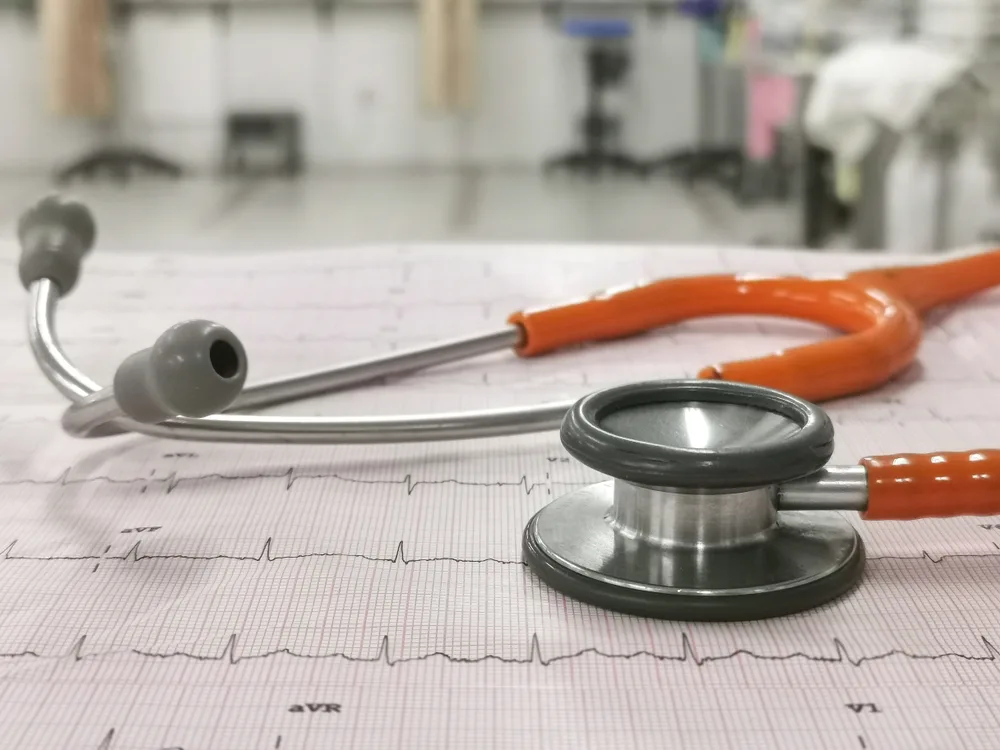
The healthcare industry continues to create opportunities for skilled professionals who play an important role in patient care. Among these careers, EKG technicians are responsible for performing diagnostic tests that help healthcare providers evaluate heart health. With proper education and hands-on training, aspiring professionals can build the knowledge and confidence needed to succeed in a fast-paced medical environment.
Understanding the Reasons to become an EKG technician can help prospective students make informed career decisions. Quality training programs provide both theoretical knowledge and practical skills, preparing students to perform electrocardiogram procedures accurately while developing the professionalism employers expect in healthcare settings.
Build Strong Clinical Skills
An effective EKG training program teaches students the essential skills needed to perform diagnostic testing safely and accurately.
Training typically covers:
- Electrocardiogram procedures
- Patient preparation
- Electrode placement
- Heart rhythm monitoring
- Medical terminology
- Infection control practices
Hands-on practice helps students gain confidence before entering clinical environments.
Increase Career Opportunities
Healthcare facilities continue to rely on trained EKG technicians to support physicians and nurses in diagnosing cardiovascular conditions.
Graduates may find opportunities in:
- Hospitals
- Medical clinics
- Cardiology practices
- Diagnostic laboratories
- Outpatient care centers
- Urgent care facilities
A recognized training program can strengthen a candidate's qualifications when applying for entry-level positions.
Prepare for Professional Responsibilities
Beyond technical skills, successful EKG technicians develop strong communication, attention to detail, and patient care abilities.
Professional training also helps students learn how to:
- Communicate with patients effectively.
- Follow healthcare safety protocols.
- Maintain accurate medical records.
- Work collaboratively with healthcare teams.
- Manage equipment properly.
These skills contribute to a positive patient experience and efficient clinical operations.
Meet Employer Expectations
Healthcare employers value candidates who have completed structured education and practical training. Understanding Why hospitals prioritize EKG training helps explain the importance of patient safety, technical competency, and accurate diagnostic procedures in today's healthcare settings.
Well-trained technicians can contribute to efficient workflows and support timely patient evaluations.
Develop Confidence Before Entering the Workforce
Classroom instruction combined with practical experience allows students to become familiar with real-world clinical situations.
Exposure to supervised training helps future technicians:
- Improve technical accuracy.
- Build confidence with patients.
- Understand workplace expectations.
- Adapt to fast-paced healthcare environments.
Practical experience often makes the transition into employment much smoother.
Continue Growing Your Healthcare Career
Working as an EKG technician can provide valuable healthcare experience while opening doors to additional opportunities. Some professionals choose to expand their education and pursue other allied health careers as they gain experience in patient care.
Continuous learning and professional development help technicians remain current with evolving healthcare practices and technologies.
Frequently Asked Questions
What does an EKG technician do?
An EKG technician performs electrocardiogram tests, prepares patients for procedures, operates diagnostic equipment, and assists healthcare providers in evaluating heart function.
Is formal training necessary to become an EKG technician?
Many employers prefer candidates who have completed a structured training program that includes both classroom instruction and hands-on practice.
What skills are important for EKG technicians?
Attention to detail, communication, technical knowledge, professionalism, and patient care skills are all important for success in this role.
Where can EKG technicians work?
EKG technicians commonly work in hospitals, physician offices, outpatient clinics, diagnostic laboratories, and specialty cardiac care facilities.
Conclusion
Choosing the right training program is an important first step toward building a rewarding career as an EKG technician. By developing strong technical abilities, practical experience, and professional skills, aspiring healthcare professionals can prepare themselves for meaningful roles that support quality patient care and long-term career growth.