A manufacturing facility is a demanding workplace where employees may spend their day operating machinery, moving materials, inspecting products, handling tools, or working around production equipment. Clothing needs to support these responsibilities without becoming an unnecessary distraction.
Choosing suitable manufacturing uniforms can help businesses create a consistent appearance while giving employees clothing that is appropriate for the demands of production environments. However, a uniform program should involve more than selecting shirts with a company logo. Managers need to consider comfort, durability, workplace conditions, cleaning requirements, employee movement, and applicable safety expectations.
At the same time, keeping a manufacturing facility clean requires its own strategy. Floors, workstations, equipment areas, break rooms, restrooms, and common spaces may all require regular attention. Managers researching industrial cleaning supplies near me should consider not only convenience but also product suitability, availability, and the specific cleaning requirements of their facility.
When uniforms and facility maintenance are managed together, businesses can create a workplace that looks organized and functions more efficiently.
Why Are Manufacturing Uniforms Important for Production Employees?
Uniforms can serve several purposes in a manufacturing environment. They can create a consistent employee appearance, support workplace organization, and provide garments suited to the tasks employees perform.
How Can Uniforms Support Employee Identification?
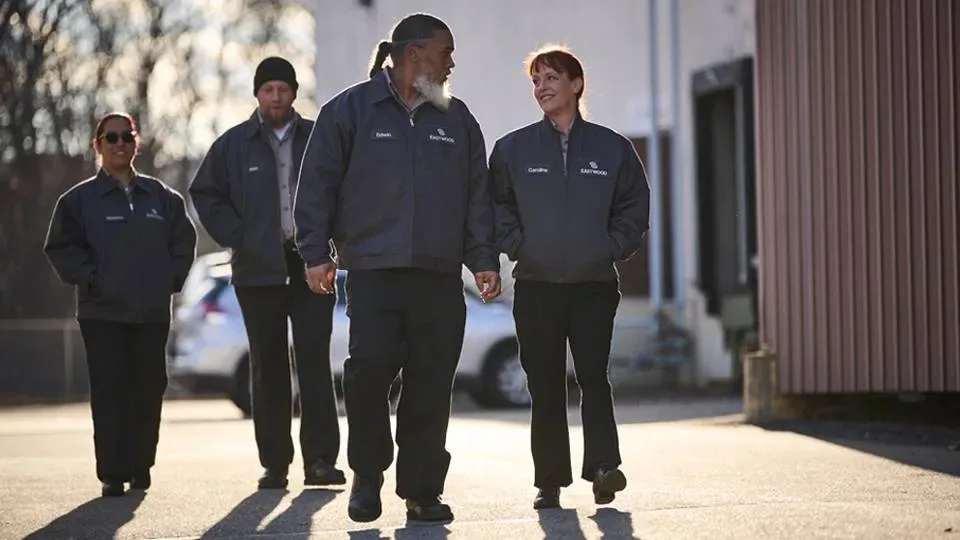
Manufacturing facilities may include employees from production, maintenance, quality control, supervision, logistics, and administration. Consistent clothing can make it easier to recognize employees and distinguish different roles when businesses use department specific colors or garment styles.
This can be especially useful in larger facilities where many employees work across different areas.
Why Does Employee Comfort Matter?
Manufacturing employees may spend several hours standing, walking, bending, lifting, reaching, and operating equipment. Clothing that restricts movement can make routine tasks less comfortable.
Uniforms should therefore allow employees to move naturally while remaining suitable for the working environment.
How Does Fit Affect Daily Performance?
A garment that is too tight may restrict movement, while clothing that is too loose may become inconvenient around equipment or during physical activities.
Businesses should provide suitable sizing options and consider employee feedback before introducing a large uniform program.
What Should Businesses Consider When Choosing Manufacturing Uniforms?
Manufacturing environments vary considerably. A food production facility may have different clothing requirements from an automotive plant, warehouse, metal fabrication facility, or electronics manufacturer.
How Does the Work Environment Affect Clothing?
Managers should consider temperature, moisture, dust, machinery, tools, chemicals, and other workplace conditions when selecting garments.
The uniform should support the actual job rather than being selected purely for visual appeal.
Why Is Durability Important?
Manufacturing uniforms may experience frequent movement, repeated cleaning, contact with workplace materials, and general daily wear.
Choosing durable garments can help businesses reduce unnecessary replacement and maintain a consistent appearance.
Should Businesses Consider Seasonal Clothing?
Employees working in facilities with changing temperatures may need different garment options throughout the year.
Businesses should evaluate whether workers need lightweight clothing, layered garments, jackets, or other options according to their environment.
How Can Manufacturing Uniforms Support Workplace Safety?
Uniforms should complement a company's safety program rather than replace required protective equipment.
Employees working around machinery, vehicles, chemicals, heat, or other hazards may have specific clothing requirements based on their roles and applicable workplace standards.
Can Uniform Design Reduce Workplace Distractions?
Employees should not have to repeatedly adjust uncomfortable clothing while working.
Garments that fit properly and allow natural movement can help employees remain focused on their tasks.
When Is Specialized Protective Clothing Necessary?
Some manufacturing environments may require specialized protective garments. Businesses should identify workplace hazards and follow applicable safety requirements when determining what employees should wear.
Uniforms should never be selected as a substitute for required personal protective equipment.
How Does Cleaning Affect Manufacturing Uniforms?
Manufacturing clothing can become dirty quickly depending on the facility and job responsibilities.
Regular cleaning is therefore an important part of uniform management.
Why Is Consistent Cleaning Important?
When employees handle their own work clothing, cleaning methods and frequency may vary. A structured uniform service can create a more consistent approach to garment maintenance.
This can also reduce the amount of time managers spend coordinating garment care.
How Can Businesses Manage Worn Garments?
Garments should be reviewed regularly for signs of excessive wear or damage. Employees should have a clear process for reporting clothing that needs replacement.
A simple replacement process can help maintain consistency across the workforce.
How Can Facility Cleaning Support Manufacturing Operations?
Uniforms are only one part of maintaining an organized production environment. The facility itself needs regular cleaning.
What Areas Usually Require Attention?
Depending on the facility, cleaning may involve production floors, workstations, storage areas, restrooms, break rooms, entrances, and other shared spaces.
Cleaning requirements should be based on actual workplace conditions.
Why Should Businesses Plan Their Cleaning Supplies?
Running out of essential cleaning products can interrupt routine maintenance.
Managers searching for industrial cleaning supplies near me should consider the facility's regular consumption and establish a practical replenishment system.
How Can Businesses Choose Industrial Cleaning Supplies?
The right product depends on the cleaning task and the surface involved.
How Should Managers Match Products to Surfaces?
Different surfaces may require different cleaning approaches. Floors, glass, stainless steel, machinery areas, countertops, and other materials may have different requirements.
Businesses should always follow product instructions and applicable safety guidance.
Is Buying in Bulk Always Better?
Not necessarily. Bulk purchasing may make sense for products that are used frequently, but excessive inventory can create storage problems and unnecessary costs.
Businesses should consider actual consumption when determining order quantities.
Why Does Supplier Availability Matter?
Businesses need cleaning products when they are required. A supplier that cannot consistently provide frequently used items can create operational challenges.
This is why a search for industrial cleaning supplies near me should include considerations such as availability, product range, service, and reliability.
How Can Businesses Reduce Cleaning Supply Waste?
Waste may occur when employees use too much product or when businesses purchase items that are rarely used.
Can Employee Training Help?
Yes. Employees should understand how products are intended to be used and stored. Proper training can support more consistent cleaning and reduce unnecessary consumption.
How Can Inventory Tracking Help?
Tracking usage can show which products are consumed quickly and which remain unused.
Managers can then adjust purchasing quantities based on actual demand.
How Can Uniform and Cleaning Programs Work Together?
Uniform management and facility maintenance address different areas of workplace operations, but they support the same objective: creating a professional and functional environment.
Employees wearing clean, appropriate garments while working in a well maintained facility can contribute to a stronger overall workplace standard.
Why Is Consistency Important?
Employees notice when workplace standards are inconsistent. Customers, visitors, and business partners may also form impressions based on the condition of the facility and employee appearance.
A structured approach can help businesses maintain those standards.
What Mistakes Should Manufacturing Businesses Avoid?
1. Choosing Clothing Based Only on Appearance
A uniform should support the work employees actually perform. Comfort, movement, durability, and workplace requirements should be considered.
2. Ignoring Cleaning Requirements
Uniforms that require frequent cleaning should be selected with maintenance in mind.
3. Buying Cleaning Products Without a Plan
Businesses should understand their consumption before purchasing large quantities of supplies.
4. Forgetting Employee Feedback
Employees can identify problems with fit, comfort, and garment performance that managers may not notice.
How Can a Professional Service Help?
Managing uniforms and facility supplies internally can require significant administrative effort.
A professional provider may help businesses manage garment selection, cleaning, replacement, and related workplace services.
Conclusion
A manufacturing facility needs more than productive equipment and efficient processes. Employees also need clothing that supports their responsibilities, while the facility requires consistent cleaning and maintenance. Businesses can explore workplace solutions from UniFirst.
The right manufacturing uniforms can help businesses create a professional and organized appearance while supporting employee comfort and practical workplace requirements. At the same time, businesses searching for industrial cleaning supplies near me should evaluate product suitability, availability, usage, and service support rather than choosing supplies based only on convenience.
Businesses should consider employee needs, workplace conditions, cleaning requirements, garment durability, and ongoing service support when developing a comprehensive workplace program. Taking these factors into account can help manufacturing facilities manage both employee apparel and facility needs more effectively.
If you are reviewing your workplace uniform needs, Get a Uniform Rental Quote can be a practical next step.
FAQ
Q. What should businesses consider when choosing manufacturing uniforms?
Businesses should consider employee comfort, garment fit, durability, workplace conditions, cleaning requirements, and applicable safety expectations.
Q. Why is uniform cleaning important in manufacturing?
Manufacturing clothing can become exposed to dust, workplace materials, and general wear. Regular cleaning helps maintain an appropriate appearance and garment condition.
Q. How should businesses choose industrial cleaning supplies?
Businesses should select products according to the cleaning task, surface, facility conditions, usage requirements, and applicable product instructions.
Q. Is it useful to search for industrial cleaning supplies near me?
Local availability can be convenient, but businesses should also consider supplier reliability, product selection, service, and consistent availability.