Educational travel becomes more valuable when students do more than visit a destination and return. A well-planned stay can help them observe heritage, understand local history and experience hospitality in a setting connected with the place they are exploring. Mahal Khas Palace in Bharatpur offers this opportunity through its location within Lohagarh Fort surroundings, its 1826 legacy and its palace-inspired accommodation. For institutions looking for a Hotel for Group Stay in Bharatpur, it brings stay, learning environment and group comfort together.
Why can accommodation become part of educational travel?
Many school and college trips focus only on the day’s sightseeing programme. Students visit a historic location or nature destination, then return to a generic hotel that has no connection with what they have learned. A heritage stay can make the learning continue beyond the sightseeing hours.
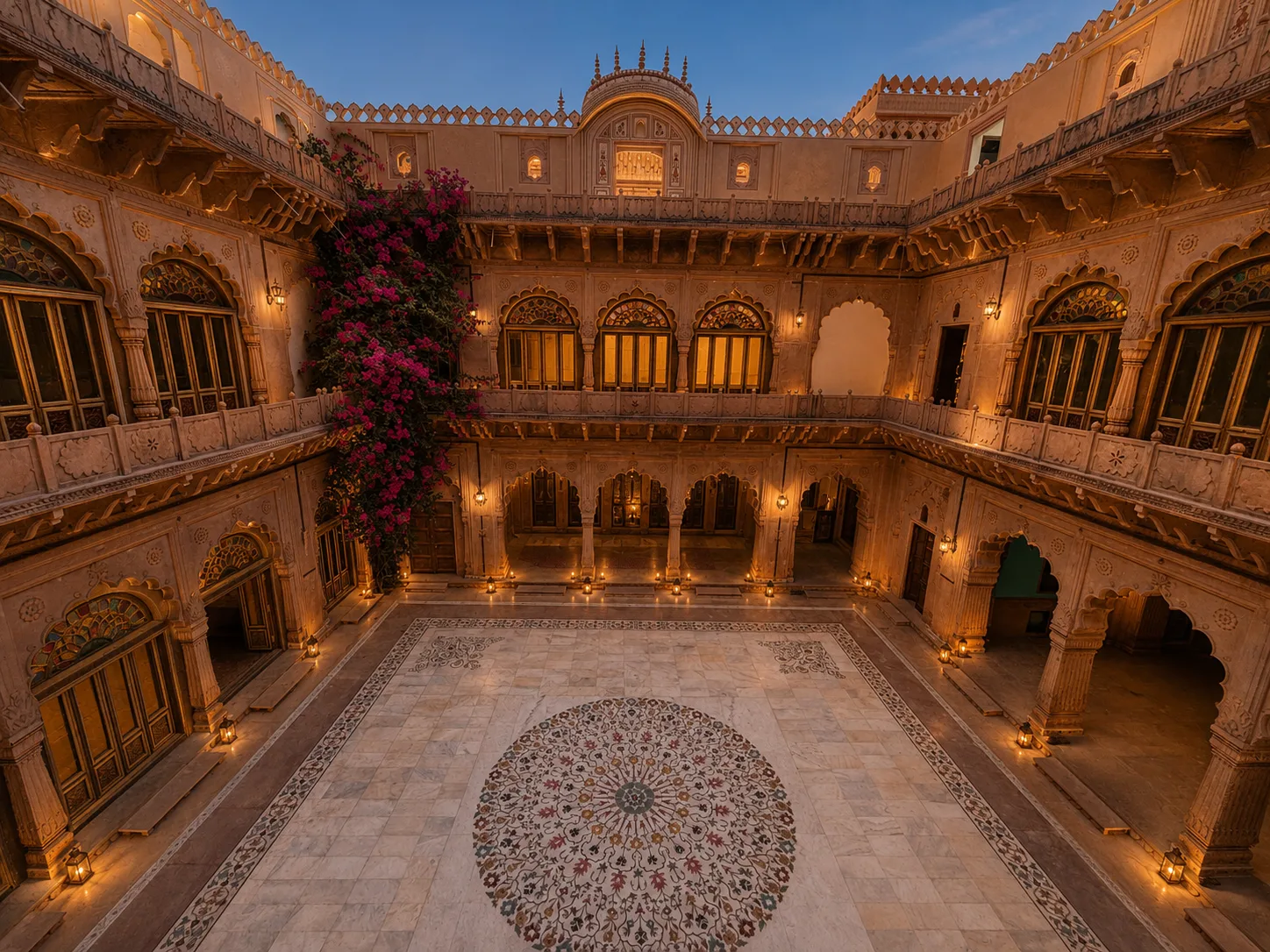
Mahal Khas Palace gives students an environment shaped by history and architecture. Built in 1826 by Maharaja Balwant Singh, the palace reflects Rajput-Mughal design elements through arches, domes, courtyards, frescoes and traditional detailing. These visible features can encourage students to ask questions about design, history, conservation and how heritage buildings are used in the present day.
The educational value does not require a formal lecture in every corner. Even observing how an old palace functions as a modern four-star heritage property can help students understand the relationship between preservation and hospitality.
How can teachers create a meaningful group itinerary?
The best group itinerary has a clear purpose. Teachers can decide whether the trip is focused on heritage, architecture, wildlife, culture, hospitality studies or a mix of these subjects. Mahal Khas Palace can become the group’s comfortable base while the itinerary is planned around the learning objective.
For a heritage-focused group, teachers can encourage students to observe palace architecture, courtyard planning, decorative details and the practical reuse of a historic property. For students visiting Keoladeo National Park, the palace can provide a heritage contrast to the nature-focused experience of the day. For hospitality or tourism students, the property can help demonstrate how accommodation, dining, guest services and event spaces work within a heritage setting.
A group trip becomes more engaging when students have small observation tasks. They can note architectural features, write a short reflection about the stay, discuss the importance of preserving historic buildings or compare the guest experience with a conventional city hotel.
Why is group comfort important for learning trips?
A group cannot enjoy an educational visit if students and teachers are tired, confused or uncomfortable. Room planning, meal timings, safe movement and clear coordination become essential. Mahal Khas Palace has approximately 84 rooms and suites, providing scope for group accommodation planning within one heritage property.
Teachers and coordinators should plan room allocation early, especially when students are travelling in larger groups. They should also decide meal timings, meeting points and basic conduct expectations before arrival. When logistics are smooth, students have more energy to engage with the destination.
A Heritage Hotel in Bharatpur can make a group stay more organised because students are not only dispersed across unrelated accommodation and event areas. The shared setting supports supervision while still giving the group a sense of travel experience.
How can students engage with the palace setting respectfully?
Heritage buildings deserve thoughtful behaviour. Teachers can use the stay to discuss why historic architecture should be respected. Students should be encouraged to maintain cleanliness, avoid damaging surfaces, follow property guidelines and understand that old structures require care.
This becomes a useful real-world lesson. Heritage is not only something seen in books or monuments; it is something that requires responsible visitor behaviour. Students can notice how modern comfort is maintained alongside historic design and understand why careful hospitality management is important.
The palace setting can also encourage better photography and documentation habits. Students can be guided to capture architecture respectfully, avoid disruptive behaviour and focus on details that show the character of the place.
How can food and shared time strengthen the group experience?
Meal times are important for student groups because they give everyone time to rest and discuss the day. A shared breakfast before an outing can help teachers communicate plans clearly. A dinner after a visit can become an informal reflection session where students share what they observed.
Mahal Khas Palace’s multi-cuisine dining allows institutions to plan meals conveniently within the property. Teachers should consider the group’s age, dietary preferences and travel schedule while planning food. Clear serving arrangements and sufficient time for meals prevent unnecessary rush.
The shared experience also matters. Students may remember the conversations they had after the visit as much as the visit itself. Staying together in a palace environment gives those conversations a more distinctive setting.
What makes the palace suitable for different types of student groups?
Different groups can use the setting in different ways. School students can learn about local history, architecture and respectful travel. College students studying tourism, hospitality, architecture, history or event management can see how a heritage property operates. Photography and art groups can observe form, texture, arches, courtyards and traditional design elements.
The property can also support family-style educational groups where parents and children travel together. In these cases, the heritage stay becomes a shared experience across generations. The key is to keep the trip focused and avoid treating the property only as a place for overnight accommodation.
How should institutions plan safely and responsibly?
Institutions should confirm group size, room-sharing plans, meal requirements, transport schedule and coordinator contacts before booking. They should ensure that students know the itinerary and expectations. Teachers should also plan rest periods, especially after early travel or long outings.
For younger groups, adult supervision and clear meeting points are essential. For college groups, a designated faculty coordinator can help keep the schedule organised. The property’s team can be informed about the group’s approximate arrival and departure times so check-in and meals can be managed smoothly.
Why does a palace stay make the trip more memorable?
Students may forget dates from a textbook, but they often remember the feeling of being in a real heritage environment. Mahal Khas Palace gives an educational group a chance to stay in a place connected with Bharatpur’s historic identity. The palace’s surroundings, accommodation and traditional character can make the trip feel more immersive.
For institutions seeking a Luxury Hotel in Bharatpur that offers more than a standard group stay, Mahal Khas Palace provides a thoughtful option. It combines comfort, heritage and a setting that can turn a routine educational trip into a more meaningful learning experience.