
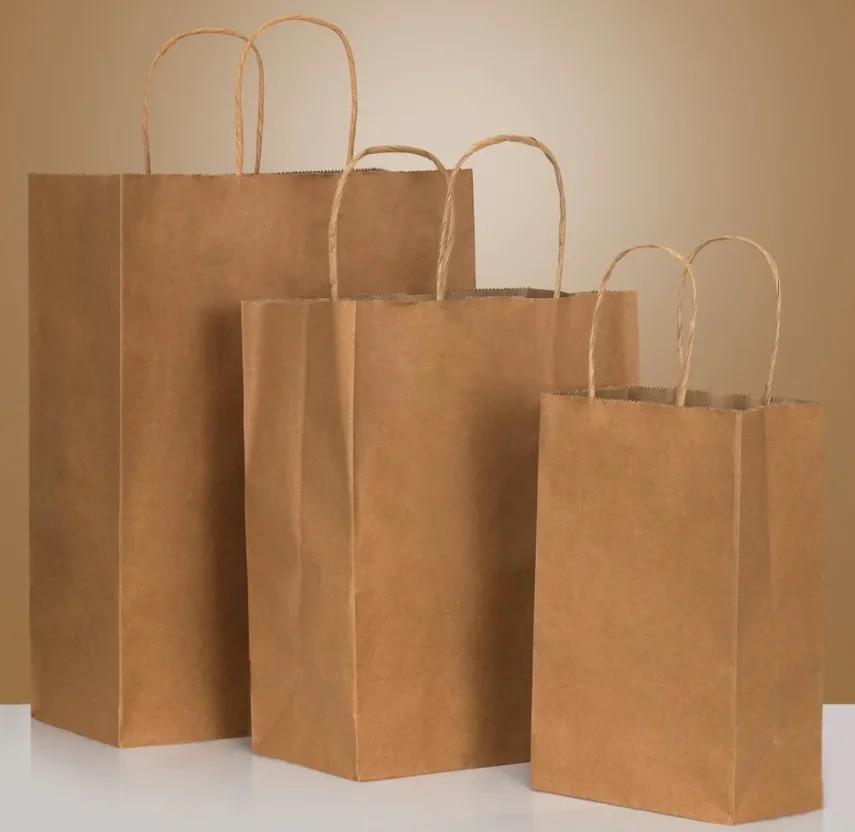
Choosing the right packaging is an important decision for Canadian grocery stores, supermarkets, and independent retailers. A suitable bag should carry everyday purchases comfortably, protect products during transport, and meet the business's budget and packaging needs. When purchasing Paper Grocery Bags With Handles in bulk, retailers should consider durability, size, material, storage space, and overall value before placing an order.
1. Consider Strength and Handle Quality
Grocery bags often carry a mixture of products, including packaged foods, fresh produce, jars, and canned goods. The bag must be strong enough for its intended use without tearing or becoming difficult to carry.
Look for sturdy paper, well-attached handles, and a reinforced base where appropriate. Handle construction is particularly important because weak attachment points can cause a bag to fail under load. Retailers should request samples and test them with typical grocery items before committing to a large order.
2. Choose the Right Bag Size
Different purchases require different bag dimensions. Smaller bags may work well for a few lightweight products, while larger bags are more suitable for multiple grocery items. A suitable size helps distribute weight and prevents products from being packed too tightly.
When comparing Paper Grocery Bags With Handles, consider the types of products your customers purchase most frequently. The right selection can improve checkout efficiency and make shopping more convenient. Keeping a range of sizes may also help businesses accommodate different order quantities.
3. Evaluate Paper Material and Sustainability
Material selection influences a bag's appearance, performance, and disposal options. Brown kraft paper offers a natural look that suits grocery stores, markets, and food retailers. White paper bags may be preferable when a brighter presentation is desired.
Businesses should also consider recyclability and recycled content when evaluating packaging. However, environmental claims depend on the bag's construction, coatings, and local recycling facilities. Choosing suitable paper packaging and communicating its disposal instructions clearly can support more responsible purchasing decisions.
4. Compare Bulk Pricing and Storage Requirements
Buying in bulk can help retailers maintain consistent stock and reduce the need for frequent reordering. However, the lowest price per bag does not always represent the best value. Businesses should compare material quality, dimensions, handle strength, order quantities, delivery costs, and supplier reliability.
Storage space is another important consideration. Paper bags should be kept in a clean, dry area to prevent moisture from affecting their condition. Estimate average weekly usage and seasonal demand before deciding how many bags to order.
5. Select Bags That Suit Your Business
The ideal packaging should balance practicality, appearance, and cost. Independent grocery stores may prioritize everyday affordability, while specialty food shops may prefer bags that offer a more polished presentation.
Before ordering, check product specifications, request samples, and confirm that the bags suit your typical loads. Exploring Paper Grocery Bags With Handles from Prestige and Fancy can help Canadian businesses assess paper packaging options for their retail requirements.
Final Thoughts
Choosing the right grocery bags in bulk involves more than comparing prices. Durability, handle quality, appropriate sizing, storage conditions, and material selection all contribute to a reliable packaging choice. By evaluating these factors before purchasing, Canadian retailers can make informed decisions that support smoother checkout operations and a better shopping experience.