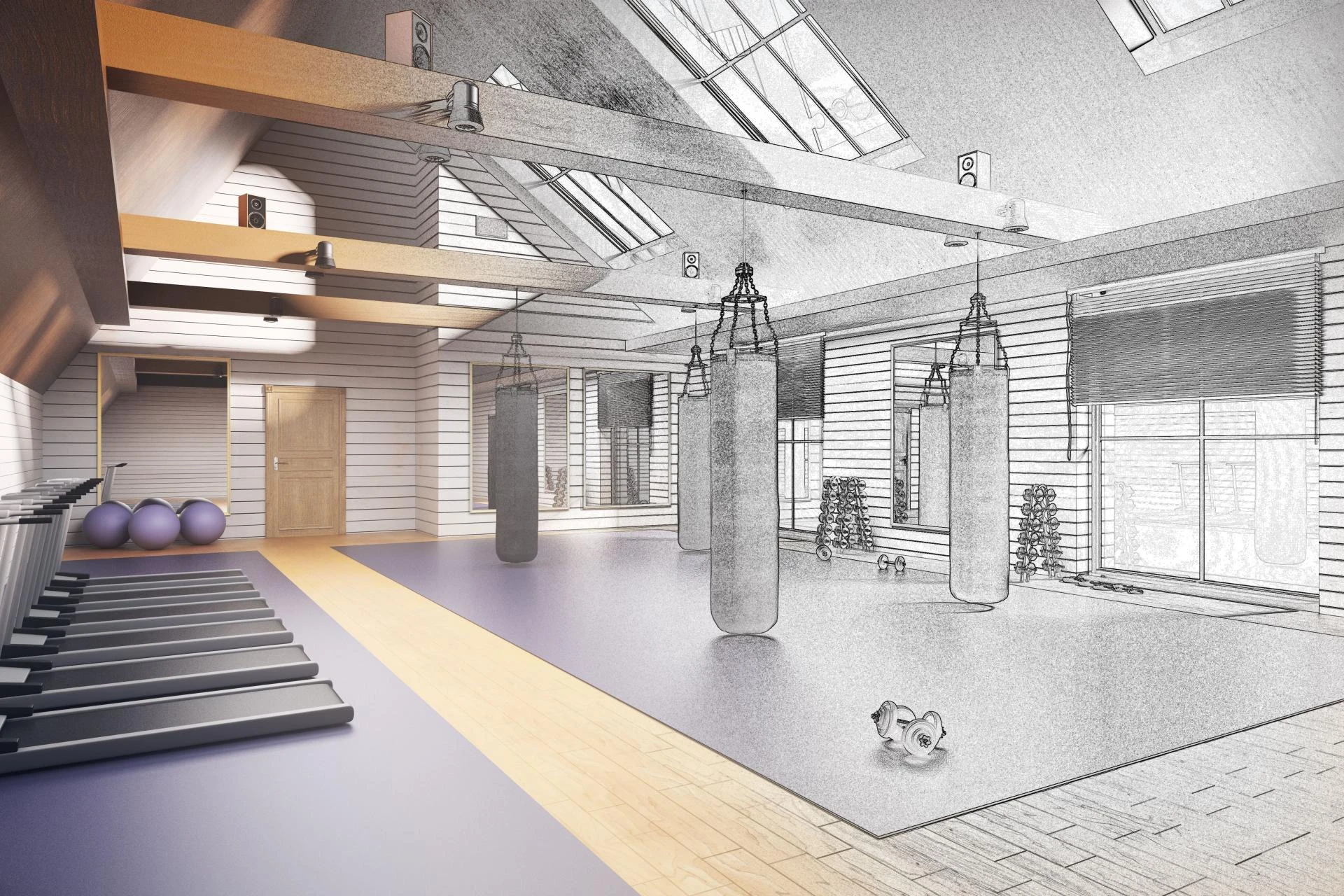
If you own or manage a gym, you know that attracting and keeping members is more than just having good equipment or low prices. One of the most important—but often overlooked—factors is the fitness center layout. How your gym is organized can make a huge difference in how comfortable, safe, and motivated your members feel. In this article, we’ll explore how a smart fitness center layout can improve member experience, and why hiring a professional commercial gym designer can make all the difference.
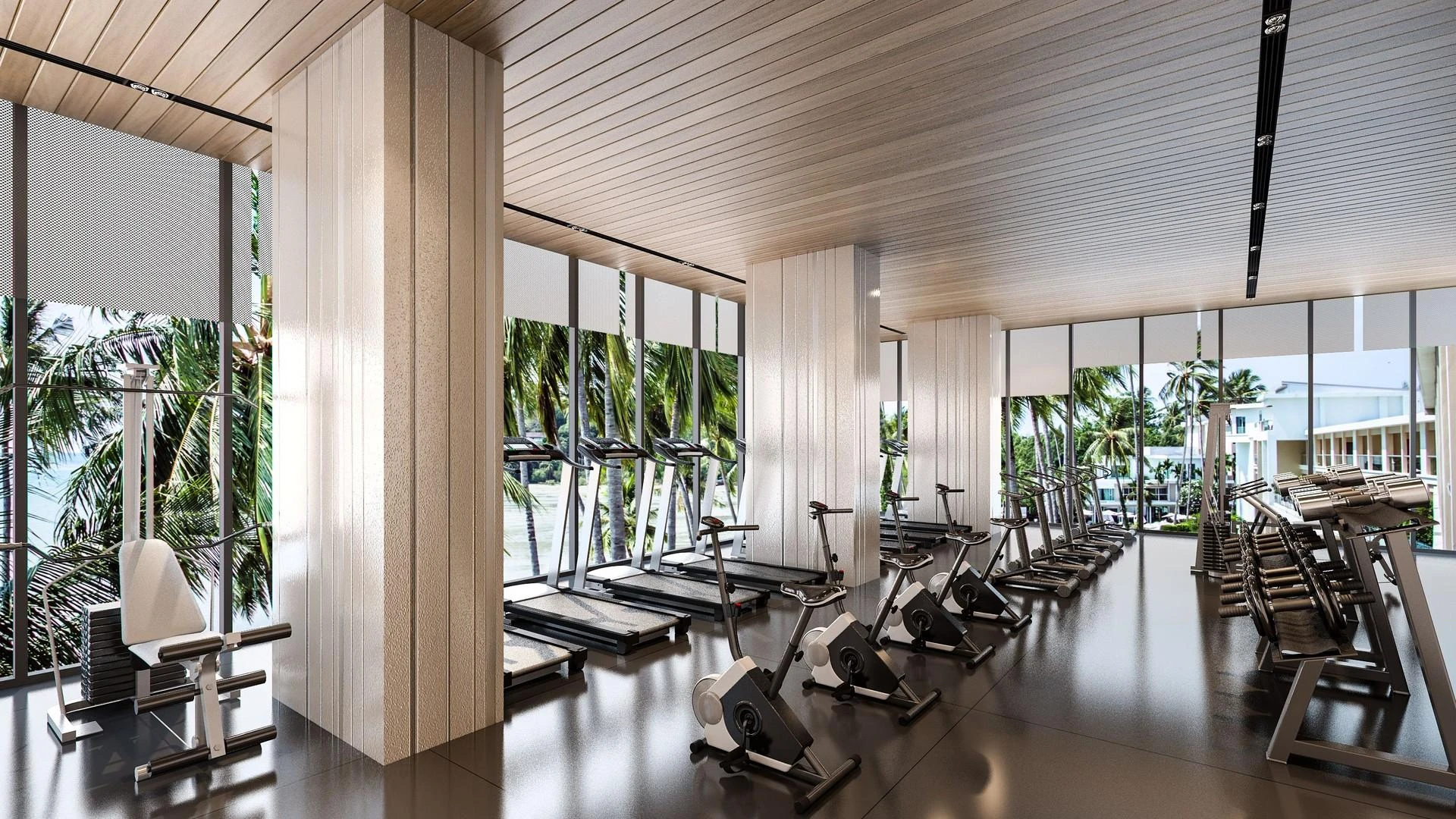
Why Fitness Center Layout Matters
Imagine walking into a gym where machines are crowded together, the treadmills are far from the weights, and there’s no clear path to move around. It feels confusing, cramped, and maybe even unsafe. On the other hand, a well-thought-out fitness center layout allows members to navigate easily, find equipment quickly, and feel inspired to work out.
A smart layout isn’t just about aesthetics. It affects:
- Member safety: Clear pathways reduce the risk of accidents.
- Workout efficiency: Logical placement of equipment helps members move seamlessly from one exercise to another.
- Overall satisfaction: A clean, organized, and easy-to-navigate gym makes members more likely to return.
Key Elements of a Smart Fitness Center Layout
Designing a smart fitness center layout requires attention to several key elements. A professional commercial gym designer will know how to balance these factors for maximum impact. Here are some of the most important considerations:
1. Zoning
Zoning means dividing the gym into different areas based on activity. For example:
- Cardio zone: Treadmills, bikes, and ellipticals.
- Strength zone: Free weights, machines, and resistance equipment.
- Functional training zone: Space for stretching, yoga, or bodyweight exercises.
- Group class zone: Areas for spinning, aerobics, or other classes.
Zoning helps members find what they need quickly and keeps different activities from interfering with each other.
2. Traffic Flow
No one likes to dodge weights or bump into other people while exercising. A smart fitness center layout ensures smooth traffic flow. This means designing wide aisles, spacing out machines properly, and creating logical pathways so members can move freely.
3. Equipment Placement
Where equipment is placed makes a big difference in member experience. Some tips include:
- Group similar machines together (e.g., all treadmills in one area).
- Keep heavy equipment near reinforced flooring.
- Place mirrors strategically so members can check their form.
A commercial gym designer can help you place equipment for both safety and visual appeal.
4. Lighting and Ambience
Lighting affects mood and energy. Bright, natural lighting in workout areas can make the space feel welcoming and motivating. On the other hand, dim or uneven lighting can make members feel tired or uncomfortable. A smart fitness center layout also considers colors, music zones, and ventilation to create a positive workout environment.
5. Accessibility and Comfort
Members come in all shapes, sizes, and fitness levels. A thoughtful layout ensures accessibility for everyone, including wide pathways for wheelchair users and spaces for stretching or low-impact workouts. Comfortable locker rooms, water stations, and seating areas also improve the overall experience.
How a Commercial Gym Designer Can Help
While it’s possible to design a gym yourself, hiring a professional commercial gym designer can save you time and avoid costly mistakes. These experts understand the best practices for:
- Space optimization
- Equipment selection and placement
- Member safety and flow
- Aesthetic appeal that encourages members to stay longer
A designer will also help you plan for future growth, making sure your gym can adapt as membership increases.
Benefits of a Smart Fitness Center Layout
A well-planned fitness center layout can have a significant impact on your gym’s success:
- Higher member retention: People are more likely to renew memberships in a gym where they feel comfortable and safe.
- Better workout experience: Easy access to equipment and clear zones reduce frustration.
- Increased revenue: A positive environment encourages members to try classes, personal training, and other paid services.
- Enhanced brand image: A professional, organized layout reflects well on your gym’s reputation.
Final Thoughts
The design of your gym is more than just placing machines on the floor. A smart fitness center layout can improve safety, efficiency, and enjoyment, ultimately leading to happier and more loyal members. Working with a commercial gym designer ensures that your gym is not only functional but also inviting, motivating, and prepared for future growth.
Remember, your layout isn’t just a plan on paper—it’s the first impression members get when they walk in. Make it count, and your members will keep coming back, feeling inspired every step of the way.