Good planter performance depends on more than placing seed at the correct depth. The way the seed trench closes can affect soil contact, access to moisture, and the consistency of emergence. A 1x12 closing wheel is designed to help close the furrow firmly while reducing problems caused by uneven soil pressure. When field conditions change across a pass, could the closing system be one part of the planter worth examining more closely?
How Does a 1x12 Closing Wheel Improve Furrow Closure?
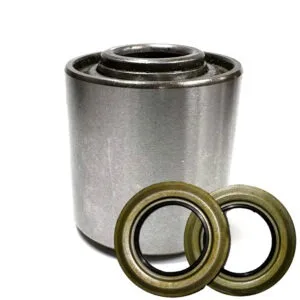
A closing wheel operates behind the seed placement system, helping bring soil back over the trench. The Germinator design uses premium-grade steel and is intended to replace conventional rubber closing wheels. Its structure is designed to reduce sidewall compaction while helping the trench close around the seed. The product is also made for different tillage and soil conditions, including heavy soils and no-till fields.
Furrow closure matters because a trench that remains partly open can leave air gaps around the seed. The Germinator is designed to cover the seed “V” and reduce air pockets so soil surrounds the seed more completely. This helps create steadier seed-to-soil contact, which is important for supporting uniform germination.
Rather than only pressing the soil surface, the wheel helps crumble and firm soil as it passes over the row. That action can be useful where residue, heavier soil, or changing moisture makes consistent closure more difficult.
Supporting More Consistent Seed-to-Soil Contact
Seeds need close contact with surrounding soil to access moisture during germination. Gaps in the seed zone can interfere with that contact, so a closing system should do more than cover the trench from above. It should help move soil into the furrow and firm it around the seed without creating excessive compaction.
The 1x12 closing wheel supports this process by helping to close the trench and reduce air pockets. The Germinator uses an inner-rim shoulder-firming design intended to move and firm soil around the seed area. This can help create a more consistent seed environment from row to row.
Soil texture, crop residue, and moisture can vary within the same acreage. A closing wheel designed to work across several conditions can help the planter maintain steadier closure rather than relying on a narrow set of soil conditions.
Reducing Sidewall Compaction During Planting
Sidewall compaction can develop when the sides of the seed trench become pressed and smooth, especially in damp or heavier soils. This can make it harder for soil to settle naturally around the seed and may create resistance as roots move beyond the trench.
Steel closing wheels interact with soil differently from traditional rubber wheels. The Germinator is intended to reduce the risk of sidewall compaction when closing the trench and to maintain firm soil around the seed. That can be especially useful in no-till fields, where residue and soil density may make furrow closure more demanding.
Operators should still watch field conditions and make practical adjustments. Down pressure, planting depth, soil moisture, and travel speed can all influence the final result. A closing wheel is part of the row unit, so its performance should be evaluated alongside the planter setup.
Working Across Different Soil and Tillage Conditions
Planting conditions rarely remain identical throughout a field. Some areas may be loose and dry, while others may contain heavier soil or more residue. The Germinator closing wheel is designed for a range of soil and tillage conditions, including conventional planting, no-till, and heavier ground.
The product is also listed as compatible with several common planter systems, including selected John Deere MaxEmerge models, Kinze planters, AGCO White and Massey Ferguson, Great Plains, Monosem, Precision Planting Ready Row Units, and Harvest International.
This broad compatibility can be useful for growers who want to improve furrow closure without changing the entire planter. It may also simplify field management by helping maintain more consistent soil firming as conditions shift.
Why the Closing System Matters to Planter Performance
Accurate seed metering and proper depth are important, but planting is not complete until the furrow is closed. If soil does not settle evenly around the seed, the benefits of accurate placement can be reduced.
Closing wheels handle the final stage of the planting process. Their role is to manage soil around the trench, create firm contact, and leave the seed zone in a condition that supports germination. Soil type, tillage method, planter compatibility, and field adjustment all matter when choosing a suitable setup.
For growers reviewing planter performance, the closing system is a practical area to evaluate. Improving conditions at the seed trench can lead to more consistent planting across the row.
Conclusion
Reliable planting depends on both accurate seed placement and proper furrow closure. A 1x12 closing wheel can support planter performance by helping close the trench, improve seed-to-soil contact, reduce air pockets, and limit sidewall compaction across different field conditions. Steel construction and compatibility with several planter systems can also make this type of wheel a practical option when standard closing wheels struggle to achieve an even closure.
If better furrow closure and more consistent seed conditions are priorities for your operation, review the available closing-wheel configurations and ensure they match your planter and field requirements. Explore the product details and choose the setup that best supports your next planting season.