Attic insulation controls summer heat by creating a thermal barrier that prevents radiant energy from the sun from entering the living spaces of a home. In Auburn, rooftop temperatures often soar during July and August, causing attics to act like giant radiators that push heat downward through the ceiling. High-quality Attic Spray Foam Insulation stops this heat transfer by sealing air gaps and providing high thermal resistance, which keeps the air conditioning inside and the outdoor heat out.
Homeowners in the Pacific Northwest frequently face the challenge of homes designed to trap heat for winter, which then become uncomfortably warm during humid summer stretches. Professional Attic Spray Foam Insulation services address this by moving the thermal envelope, the barrier between conditioned and unconditioned space, from the attic floor to the roofline. This transition ensures that ductwork and storage areas remain at a temperature much closer to the rest of the house. This article examines the mechanics of heat transfer in local homes and explains why modern insulation methods outperform traditional materials during peak summer months.
Heat Transfer Mechanics in Auburn Homes
To understand how insulation works, one must look at how heat moves. During a typical Auburn summer day, the sun beats down on asphalt shingles or metal roofing. This energy moves through the roofing material into the attic space via conduction. Once inside the attic, the heat radiates off the underside of the roof deck, warming every surface it touches, including the floor of the attic.
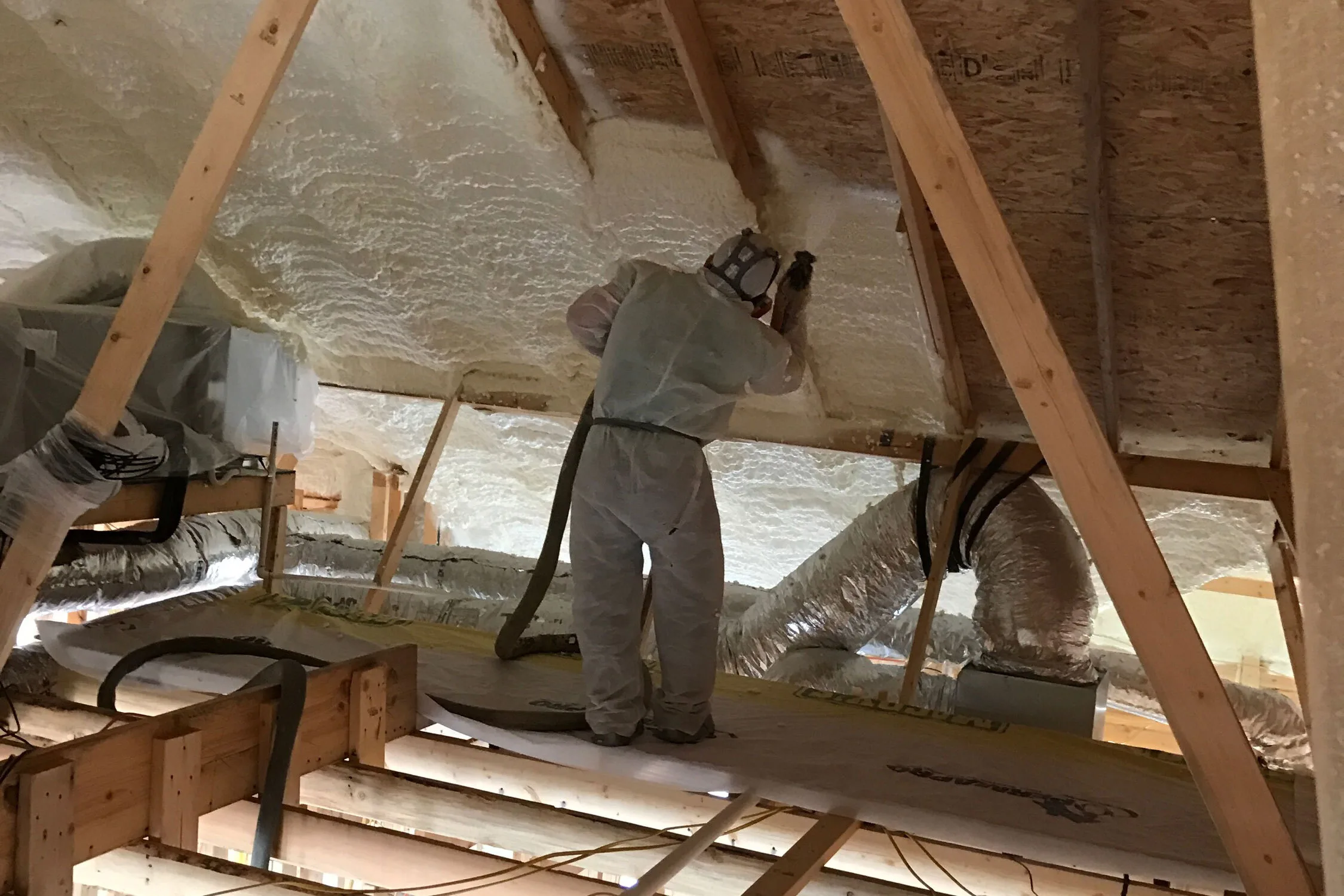
Without a proper seal, this heat finds its way into bedrooms and living areas through light fixtures, plumbing stacks, and top plates. When a professional Attic Spray Foam Insulation company installs closed-cell or open-cell foam, they create an airtight seal that traditional fiberglass batts cannot match. This seal prevents "convective looping," a process where warm air cycles through gaps in old insulation, effectively bypassing the thermal protection entirely.

Why Spray Foam Outperforms Traditional Materials
Traditional insulation, like fiberglass or cellulose, works by slowing down heat movement, but these materials are porous. They allow air to pass through them, carrying heat and moisture. In the humid climate of the South Puget Sound, moisture control is just as important as temperature control. Attic Spray Foam Insulation experts often recommend spray foam because it acts as both an insulation material and an air barrier.
Data indicates that air leakage accounts for up to 40% of the energy lost in a typical home. While fiberglass might have a high R-value on paper, its real-world performance drops significantly if air can move through it. Spray foam expands to fill every nook and cranny, ensuring that the R-value remains consistent across the entire attic surface.

Bonus Tip: Homeowners should check if their attic has "kneewalls," which are short walls common in finished attics. These are notorious for leaking heat and should be a priority for sealing during any insulation upgrade.
The Regional Impact of Humidity and Solar Gain
Auburn sits in a valley where humidity can make 85 degrees feel much hotter. When humidity levels are high, air conditioners have to work twice as hard to remove moisture from the air while also lowering the temperature. If an attic is not sealed, humid air from the outside continuously seeps in, making the indoor environment feel sticky.
By utilizing Attic Spray Foam Insulation services, residents can effectively "cap" their homes. Since the foam does not settle or degrade due to moisture, it maintains its effectiveness for decades. Market trends show that homes in the Seattle-Tacoma area with upgraded energy envelopes see a higher resale value because buyers prioritize lower utility costs and better indoor air quality.
Things to Consider Before Making a Decision
Before choosing a specific insulation type or provider, several factors require attention. Not every attic is a candidate for every type of foam, and the existing condition of the roof plays a role.
- Roof Condition: If a roof is near the end of its lifespan or has active leaks, those issues must be repaired before applying spray foam.
- Existing Ventilation: Traditional attics rely on soffit and ridge vents. When switching to a sealed "hot roof" design with spray foam, the ventilation strategy changes entirely.
- Current Insulation Removal: In many cases, old, dusty, or moldy insulation should be removed to ensure the new foam adheres properly to the substrate.
- Occupancy Timing: Some spray foam products require the home to be vacant for 24 hours during the curing process, so planning for a day away is necessary.
Bonus Tip: Always ask for a pre-installation inspection that includes a thermal imaging camera. This tool identifies exactly where heat is entering the home, allowing for a more targeted application.

Long-Term Energy Savings and Comfort
The immediate result of upgrading to Attic Spray Foam Insulation is a more stable indoor temperature. Homeowners often find they can set their thermostats a few degrees higher in the summer and still feel cooler because the walls and ceilings are no longer radiating heat. This reduction in load extends the life of the HVAC system, as the air conditioner cycles less frequently.
Statistics from regional energy studies suggest that sealing the attic can reduce summer cooling costs by 15% to 30%. In a climate like Auburn's, where summer spikes are becoming more common, this translates to significant annual savings. Furthermore, because spray foam is durable, it does not require the "top-offs" that cellulose or fiberglass often need every decade.
Common Questions About Cooling Attic Spaces
Does spray foam insulation cause roof shingles to overheat?
Extensive research shows that spray foam only increases shingle temperature by about 2 to 5 degrees. This is well within the operating range designed by shingle manufacturers and does not significantly impact the lifespan of the roof.
Can spray foam be applied over old insulation?
While it is technically possible, most Attic Spray Foam Insulation experts advise against it. Removing old material allows the foam to seal the "top plates" of the walls, which is where the most significant air leakage occurs.
Is spray foam effective for sound dampening?
Yes, especially open-cell spray foam. It is excellent at reducing exterior noise, such as traffic from nearby highways or the sound of heavy rain on the roof, making the home's interior much quieter.
How does spray foam handle the damp Washington weather?
Closed-cell spray foam is moisture-impermeable. It prevents humid air from condensing on cold surfaces in the winter and blocks humid summer air from entering the home, which helps prevent mold growth in the attic structure.
Summary of Benefits for Summer Heat Control
Controlling summer heat in Auburn requires a move away from materials that simply slow down heat toward materials that block air and radiation entirely. Attic Spray Foam Insulation provides a permanent solution that addresses both temperature and humidity. By sealing the home’s thermal envelope, residents can enjoy a more comfortable living environment and lower energy bills. It is a long-term investment that protects the structure of the home while improving the daily quality of life for everyone inside.
Choosing the Right Insulation Provider
For those looking to improve their home's efficiency, consulting with a specialized Attic Spray Foam Insulation company is the most effective first step. Cascadia Spray Foam Insulation of Seattle provides professional assessments to determine the best insulation strategy for local homes. They offer a range of options, including residential spray foam insulation and attic-specific solutions designed for the unique climate of the Pacific Northwest. Interested parties can reach them at (425) 386-3500 or via email at [email protected] to discuss how their services can help manage summer temperatures. The team's focus on high-quality applications ensures that the thermal barrier is consistent and effective for years to come.