
By the time most people notice a pest problem, it has usually been building for weeks. A few droppings behind the pantry, a soft spot in a skirting board, a faint scratching sound at night - these are often the late signs of an infestation that started long before anyone spotted it.
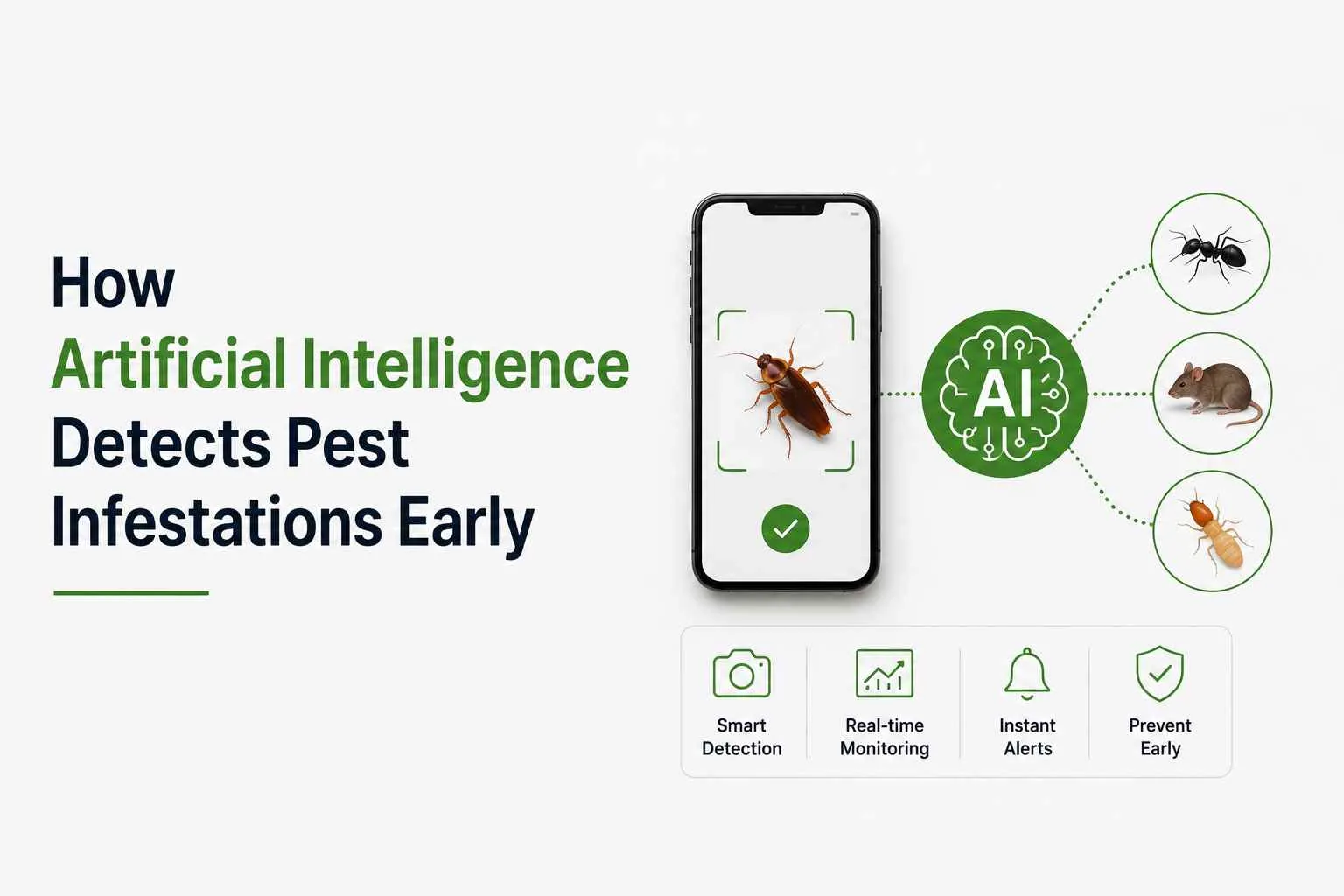
Artificial intelligence is changing that timeline. Instead of waiting for visible damage or an obvious sighting, AI-powered tools can now pick up on the earliest warning signs of pest activity, often weeks before a problem would normally be noticed. This guide explains how that actually works, and why it matters if you are looking into pest control for your home or business.
Why Early Detection Matters So Much
Pests do not stay small problems for long. A handful of termites can turn into a colony causing structural damage within months. A single pregnant rodent can lead to dozens of new rodents in a matter of weeks. The earlier a problem is caught, the cheaper, easier, and less disruptive it is to deal with.
This is exactly why early pest infestation detection has become such a major focus in the pest control industry. Traditional inspections rely on a trained technician physically checking a property, which is useful, but it only captures a single point in time. AI-based monitoring works differently - it watches continuously, around the clock, and flags unusual activity the moment it starts.
How AI Actually Detects Pests Before You Can
AI does not detect pests by magic. It relies on a combination of smart sensors, connected devices, and machine learning that has been trained to recognise patterns humans would easily miss. Here is a breakdown of how it works in practice.
1. Smart Sensors That Never Stop Watching
Modern pest monitoring relies on small, connected sensors placed in and around a property. These devices can pick up on:
- Movement, detecting activity in wall cavities, roof spaces, or under floors
- Vibration and sound, including the faint chewing or tapping noises certain pests make
- Pheromones, picking up the chemical trails many insects leave behind
- Environmental changes, such as shifts in humidity or temperature that often attract pests
On their own, these sensors just collect raw data. The real value comes from what happens next.
2. AI Analyses the Data in Real Time
Once a sensor picks up something, AI software processes that information almost instantly, comparing it against known patterns of pest behaviour. Instead of a person having to check each device manually, the system automatically works out whether what it is seeing looks like normal background activity or the early signs of a genuine infestation.
This is where AI becomes genuinely powerful. It can spot subtle patterns - like a slow build-up of activity in one specific area over several days - that would be almost impossible for a person to notice during a routine inspection.
3. Predictive Modelling Flags Risk Before It Becomes a Problem
Beyond just reacting to current activity, AI systems can use historical data, seasonal patterns, and local environmental conditions to predict where and when an infestation is likely to start. For example, a system might flag that conditions are becoming favourable for termite activity in a particular area based on recent rainfall and temperature, well before any physical signs appear.
4. Automatic Alerts Replace Guesswork
When a system detects something that looks like early pest activity, it sends an automatic alert to a pest control provider, often with details about the type of activity, its likely location, and how urgent it is. This means a professional can be sent out to investigate quickly, rather than a problem sitting unnoticed until it becomes visible or causes damage.
Where AI Detection Makes the Biggest Difference
Not every pest problem behaves the same way, and AI tools are especially valuable for the pests that are hardest to catch early with the naked eye.
Termites
Termites are a textbook case for why early detection matters. They work quietly, inside walls and timber, often for months before any visible damage appears. By the time you see a hollow-sounding skirting board or a sagging floor, the damage can already be extensive and expensive to repair.
AI-assisted monitoring changes this by picking up on the vibration and movement patterns associated with termite activity long before visible signs show up. For anyone serious about protecting a property, this kind of early warning is at the heart of effective termite pest infestation control Darwin homeowners can rely on, especially given how favourable the region's warm, humid climate is for termite activity year-round.
Rodents
Rodents are fast breeders and skilled at staying out of sight, which makes early detection especially valuable. Motion and sound sensors placed in ceiling cavities, subfloors, and other common entry points can pick up on rodent movement well before droppings, gnaw marks, or nesting materials become obvious.
This kind of continuous monitoring is a major step forward compared to traditional methods, and it is becoming a core part of modern rodent pest control services in Darwin properties increasingly rely on, particularly in areas near waterways, food storage, or dense vegetation where rodent activity tends to be higher.
General Household and Commercial Pests
Beyond termites and rodents, AI-based systems are also being used to monitor for cockroaches, ants, and other common pests, particularly in commercial kitchens, warehouses, and food storage facilities where early detection is critical for hygiene and compliance.
Smart Pest Control in Darwin's Unique Climate
Darwin's tropical climate creates conditions that many pests thrive in - consistent warmth, high humidity, and a distinct wet season that brings a noticeable spike in pest activity. This makes early detection technology especially valuable for local homes and businesses, rather than just a nice-to-have feature.
Smart pest control solutions in Darwin are increasingly combining AI-based monitoring with the kind of local, on-the-ground expertise that understands exactly how Darwin's seasons affect pest behaviour. A sensor network can tell you that something is happening. A pest control professional who understands Darwin's climate and building types is what turns that alert into an effective, targeted treatment plan.
In practice, this usually means:
- Continuous monitoring rather than relying only on scheduled inspections
- Early alerts timed around Darwin's wet and dry seasons, when pest risk changes significantly
- Targeted treatment, since AI can help identify exactly where an issue is starting, rather than treating an entire property blindly
- Fewer surprises, since problems are caught and addressed while they are still small and manageable
What This Means for Homeowners and Businesses
AI is not replacing pest control professionals, and it is not meant to. What it does is give both the property owner and the pest control provider a much earlier, clearer picture of what is actually happening on a property. Instead of waiting for a problem to become visible, and often quite serious, early detection tools mean issues can often be caught and treated while they are still small.
For homeowners, this generally means:
- Lower repair costs, since problems like termite damage are caught before they spread
- Less disruption, since early treatment is usually quicker and less invasive than dealing with an established infestation
- More peace of mind, knowing a property is being monitored continuously rather than checked once or twice a year
Final Thoughts
Pest control has traditionally been a reactive industry - you notice a problem, then you call someone to deal with it. AI is helping shift that model toward something far more proactive. By combining smart sensors, real-time data analysis, and predictive modelling, early pest infestation detection is now catching problems weeks before they would otherwise be noticed, particularly for pests like termites and rodents that are naturally good at staying hidden.
For a place like Darwin, where the climate makes pest activity a genuine year-round concern, this kind of technology paired with real local expertise is quickly becoming the standard for protecting homes and businesses, rather than just an optional extra.