Augmented Reality (AR) is no longer a futuristic concept, it’s quickly becoming part of our everyday lives. From interactive shopping experiences to gamified education and advanced workplace training, AR is redefining how we engage with the world around us. But behind every immersive AR experience lies a set of powerful developer tools that are making this evolution possible. These tools are bridging the gap between creativity and technology, empowering businesses and developers to build experiences that feel seamless, intuitive, and truly immersive.
Simplifying Complex AR Development
Not long ago, creating an AR app required deep technical expertise and extensive coding. Today, platforms like Unity, Unreal Engine, ARKit, and ARCore have changed the landscape. They provide pre-built frameworks, real-time rendering capabilities, and drag-and-drop functionality that simplify development. This accessibility means more creators, from indie developers to enterprise teams, can enter the AR space without being hindered by steep technical barriers.
Enhancing Cross-Platform Experiences
One of the major breakthroughs AR developer tools bring is cross-platform compatibility. With frameworks like Vuforia and 8thWall, experiences can be deployed across iOS, Android, and even web browsers. This ensures users can access AR content without needing specialized devices. By standardizing development processes, these tools make immersive experiences more inclusive and far-reaching.
Driving Realistic and Interactive Content
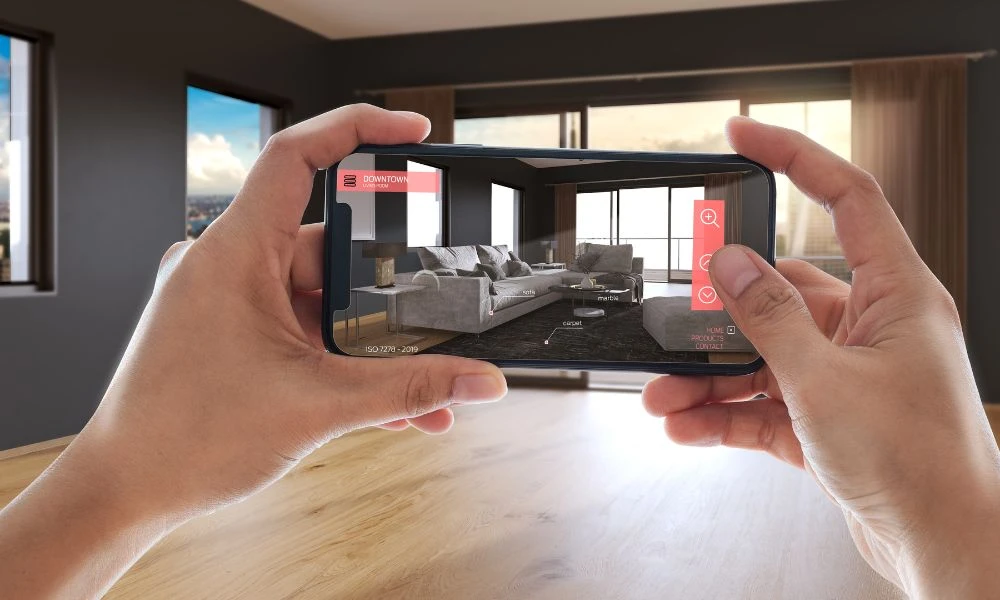
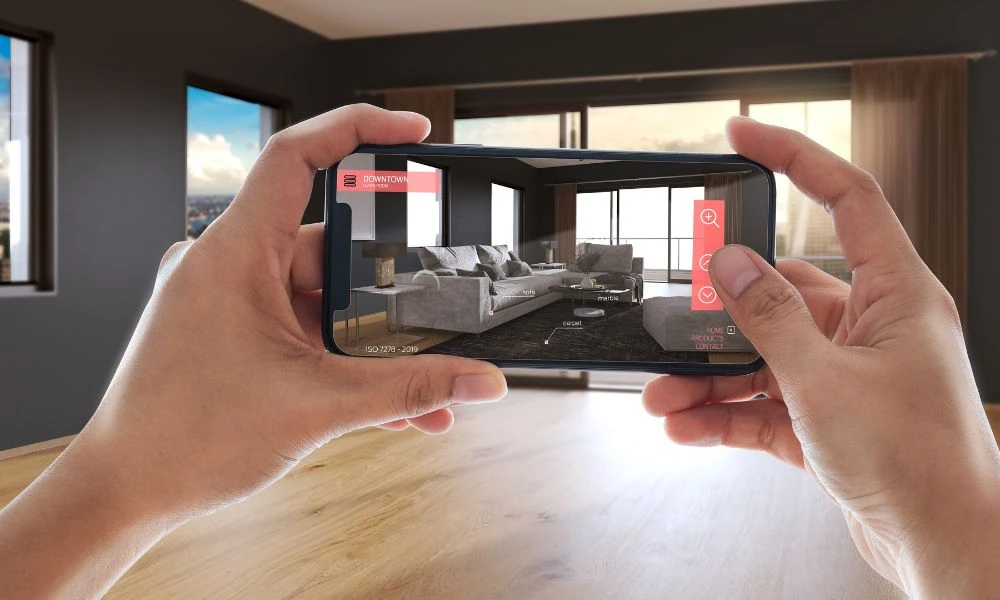
Immersion relies on realism. Advanced AR toolkits now support features like 3D object recognition, plane detection, and spatial mapping, allowing AR elements to interact naturally with physical environments. For example, an AR furniture app can now accurately detect room dimensions, textures, and lighting to render a digital sofa that looks convincingly real in a user’s living room. Such precision enhances consumer trust and enriches the user experience.
Empowering Businesses and Industries
Beyond entertainment, AR developer tools are making an impact across industries. In healthcare, AR is being used for surgical training simulations. In retail, brands use AR to enable virtual try-ons and product visualization. In education, interactive AR modules help students grasp complex subjects through hands-on learning. Tools like ZapWorks and Wikitude provide businesses with tailored solutions to integrate AR into their workflows, making the technology more practical and results-driven.
Accelerating Innovation with AI Integration
The next frontier for AR developer tools lies in their integration with artificial intelligence (AI). By combining AR with AI-driven computer vision and natural language processing, developers can create smarter, more personalized experiences. Imagine AR glasses that not only overlay digital instructions but also adapt in real time to a user’s behavior and environment. Developer kits are already experimenting with these synergies, paving the way for a future where AR feels intuitive and human-like.
Shaping the Future of Immersive Experiences
AR developer tools are more than just software, they’re the backbone of a movement reshaping how we interact with technology. By lowering entry barriers, improving realism, and enabling cross-industry adoption, these tools are setting the stage for a world where digital and physical realities coexist seamlessly.
The future of immersive experiences will be defined by how these tools continue to evolve. For businesses, creators, and everyday users, that means one thing: the age of practical, accessible, and transformative AR is only just beginning.