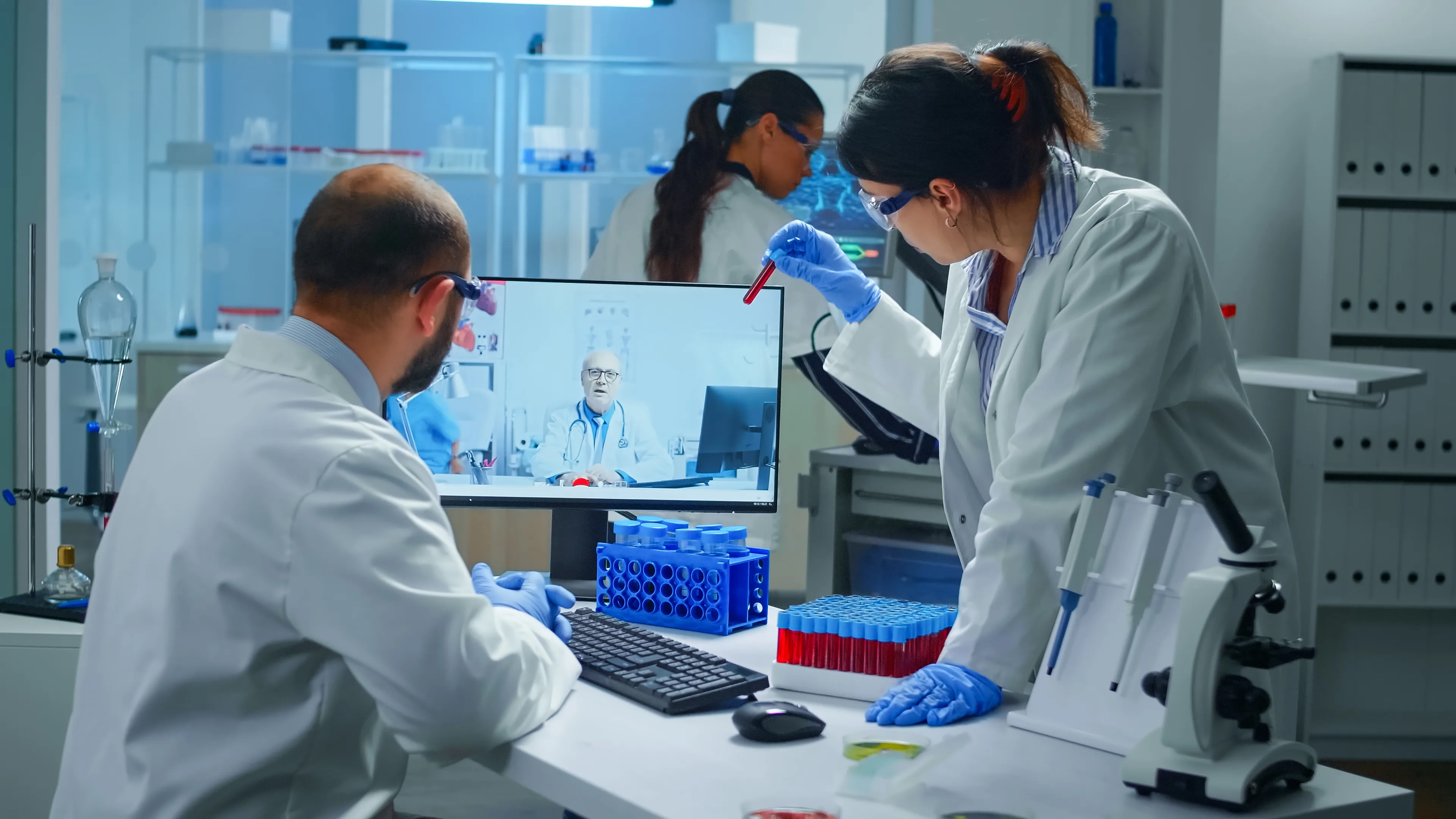
Animal diagnostics centers today do far more than provide testing and disease detection. They have become important hubs for education, scientific research, and biotechnology advancement. By combining advanced laboratory technologies with practical training and innovation, these centers are helping shape the future of life sciences.
For students and young researchers exploring internships for life science students, animal diagnostics centers offer valuable exposure to real-world laboratory techniques, research methods, and emerging biotechnologies.
Bridging Education and Practical Learning
One of the biggest contributions of diagnostics centers is connecting academic learning with hands-on experience. While classroom education builds theoretical foundations, practical laboratory exposure strengthens technical skills.
Students joining certificate courses in life sciences often benefit from learning environments linked to advanced diagnostics and research facilities.
A well-equipped molecular lab in Thrissur can provide opportunities to understand molecular diagnostics, genomics applications, and modern testing workflows that are increasingly important in biotechnology careers.
Supporting Internships and Skill Development
Modern diagnostics centers play a major role in developing industry-ready professionals. Through internships for life science students, learners gain exposure to sample processing, molecular tools, data analysis, and laboratory protocols.
These experiences help students move beyond textbooks and understand how scientific principles are applied in real laboratory environments.
Many learners also strengthen career readiness through clinical microbiology training programs that focus on practical diagnostic skills and laboratory techniques relevant to current industry needs.
Driving Research and Biotechnology Innovation
Animal diagnostics centers often function as innovation ecosystems where research and applied science intersect. A leading research lab in Thrissur may contribute to advancements in molecular biology, disease surveillance, microbiology, and biotechnology development.
These centers support innovation by:
- Enabling applied scientific research
- Supporting diagnostic method development
- Contributing to genomics and molecular studies
- Encouraging collaboration between researchers and students
- Advancing translational biotechnology applications
Students pursuing certificate courses in life sciences often gain insights into how research supports practical innovation in these settings.
The Role of Molecular Diagnostics in Education
Modern biotechnology education increasingly depends on access to advanced diagnostic technologies. A professional molecular lab in Thrissur can expose students and researchers to PCR-based methods, sequencing applications, and modern molecular workflows.
This practical exposure strengthens both academic learning and research capability.
Combined with clinical microbiology training programs, these opportunities help build technical confidence and specialized expertise.
Building Career Opportunities in Life Sciences
Animal diagnostics centers also contribute significantly to career development. Through structured internships for life science students, aspiring professionals can gain industry-relevant experience that supports future research or biotech careers.
Many students complement this with certificate courses in life sciences to strengthen specialized knowledge and improve employability.
Likewise, a strong research lab in Thrissur can provide an environment where education and innovation work together to prepare the next generation of scientists.
Supporting Biotechnology Ecosystems
Diagnostics centers often serve broader biotechnology ecosystems by supporting collaboration among academia, industry, and researchers.
A well-established molecular lab in Thrissur can contribute to this ecosystem through research support, skill development, and innovation-driven diagnostics.
Programs such as clinical microbiology training programs further strengthen this ecosystem by preparing skilled professionals for research and diagnostic roles.
Why Diagnostics Centers Matter for the Future
As biotechnology continues evolving, diagnostics centers are becoming increasingly important not only for testing but also for education and scientific advancement.
From offering internships for life science students to supporting innovation through a research lab in Thrissur, these centers play a vital role in shaping future discoveries.
Their contribution extends through advanced laboratory exposure, certificate courses in life sciences, specialized clinical microbiology training programs, and research-driven biotechnology progress.
Final Thoughts
Animal diagnostics centers are no longer limited to diagnostic services alone. They are becoming valuable platforms for education, research, and biotechnology innovation.
With opportunities through internships for life science students, access to a professional molecular lab in Thrissur, advanced certificate courses in life sciences, research support from a research lab in Thrissur, and practical clinical microbiology training programs, they continue driving progress across life sciences and biotechnology.