
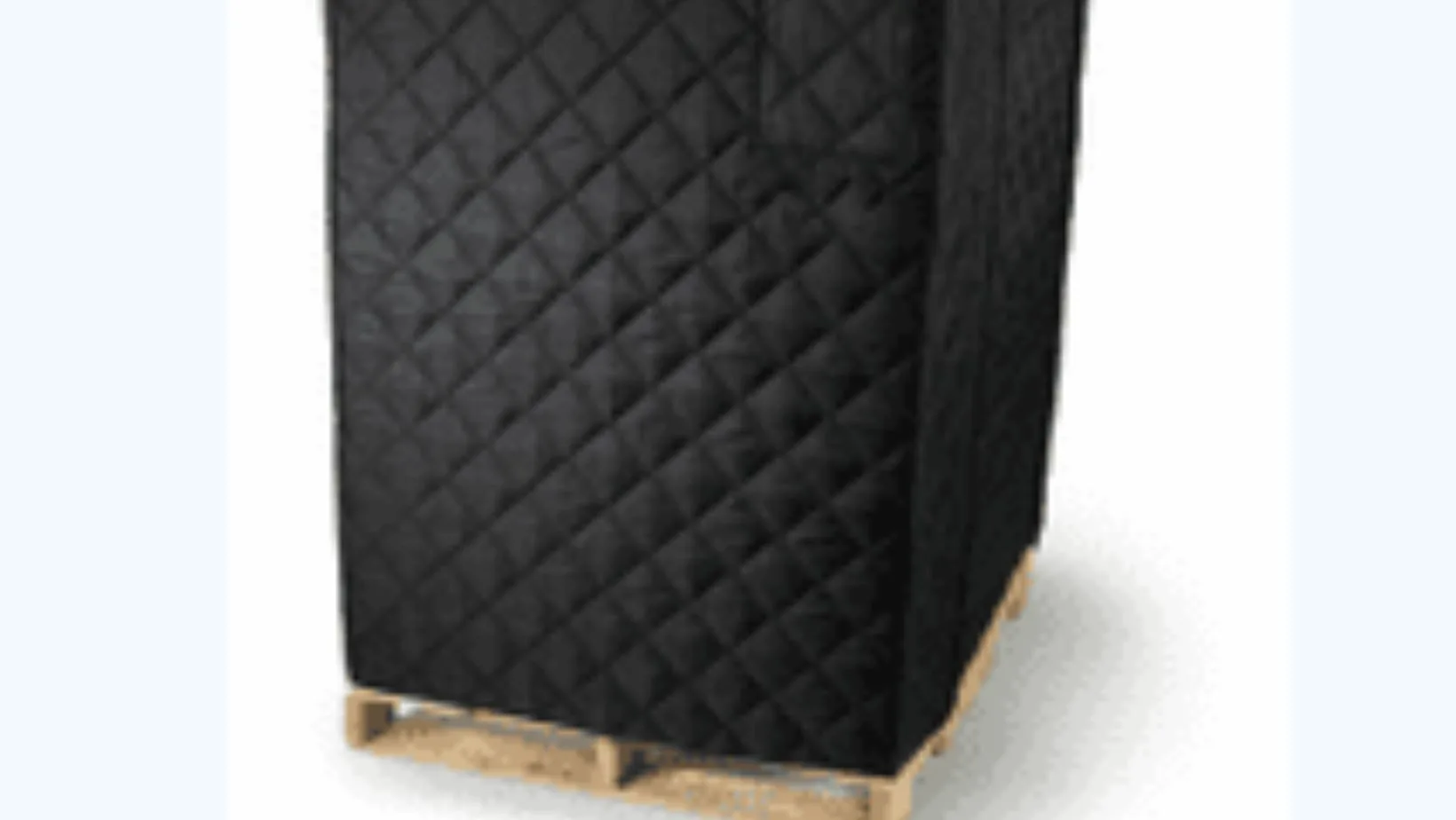
A controlled environment often determines the integrity of sensitive pharmaceutical movement across storage and transit layers. Temperature shifts, physical handling pressure, and exposure risks continuously challenge stability during logistics cycles. An Insulated Cart Cover introduces a structured protection layer that supports regulated conditions and reduces unwanted environmental interference. It strengthens handling precision and preserves product quality through consistent thermal balance and physical shielding across varying transport stages.
Thermal Stability Control in Medical Transit
Maintaining consistent internal temperature during movement is essential for pharmaceutical safety. A Insulated cover helps create a regulated micro-environment that reduces thermal fluctuation during loading, unloading, and transit phases. It minimizes heat gain or loss through layered insulation materials designed for controlled resistance. This supports product stability even when external conditions shift rapidly across storage zones, improving reliability in temperature-sensitive logistics operations.
Protection Against Environmental Contaminants
Medical logistics requires strict control over airborne particles, dust exposure, and unintended surface contact. An insulated cover functions as a protective barrier that limits contamination risks during handling and movement cycles. It supports enclosed transport conditions where exposure pathways are reduced through structured coverage. This ensures a cleaner transport environment while maintaining product integrity throughout multiple transfer points in the supply chain process.
Reusable packaging systems often improve operational efficiency by reducing dependency on single-use materials. Integration of Reusable Cart Coverssupports repeated deployment cycles, reducing waste generation while maintaining consistent protective performance across multiple shipments.
Moisture and Humidity Resistance Performance
Humidity fluctuations can negatively impact pharmaceutical composition, packaging stability, and storage conditions. A Insulated Cart Cover helps regulate moisture exposure by limiting direct interaction with external air variations. It reduces condensation risks and supports stable internal dryness levels during extended transport durations. This controlled environment minimizes degradation risks and supports safer delivery conditions for sensitive medical products across different climatic zones.
Streamlined Transit Handling and Load Efficiency
Efficient handling processes are critical in time-sensitive medical logistics. An Insulated Cart Cover simplifies cart management by providing structured enclosure support that reduces handling complexity. It improves load stability during movement and helps maintain uniform protection during stacking or repositioning. This enhances workflow consistency and reduces delays caused by repeated rewrapping or additional protective layering during operational transitions.
Packaging efficiency often extends beyond insulation performance. The use of Eco Friendly Pallet Wrap contributes to sustainable logistics practices by reducing environmental impact while maintaining secure load containment during transit operations.
Structural Durability and Long-Term Cost Efficiency
Durability plays a key role in optimizing operational costs within pharmaceutical logistics. An Insulated Cart Cover is designed to withstand repeated usage cycles without significant performance degradation. It reduces the need for frequent replacement, thereby lowering long-term packaging expenditure. This durability-driven approach supports consistent protection while maintaining cost control across large-scale distribution systems over extended operational timelines.
Compliance Support and Packaging Reliability Standards
Regulatory expectations in pharmaceutical transport require consistent adherence to safety and quality benchmarks. A Insulated Cart Cover supports compliance by maintaining stable environmental conditions and reducing risk exposure during movement. It reinforces packaging reliability through structured containment and predictable performance across varied transit scenarios. This ensures operational alignment with quality assurance protocols and strengthens overall logistics accountability.
Conclusion
A well-designed transport system often depends on controlled protection layers that maintain stability across shifting conditions. An Insulated Cart Cover strengthens temperature regulation, contamination control, and handling efficiency throughout pharmaceutical movement cycles. It supports consistent performance, improves operational reliability, and enhances long-term logistics sustainability within regulated distribution frameworks.