Digital transformation is changing how organisations recruit employees, manage performance, develop talent, and plan their workforce. Human resource departments are increasingly adopting digital platforms, artificial intelligence, automation, and data analytics to improve efficiency and support strategic decisions. These developments require HR professionals to understand workforce information and use technology effectively. An hr analytics course helps professionals develop the analytical and digital skills needed to contribute to workforce intelligence and modern human resource management.
Understanding Workforce Intelligence
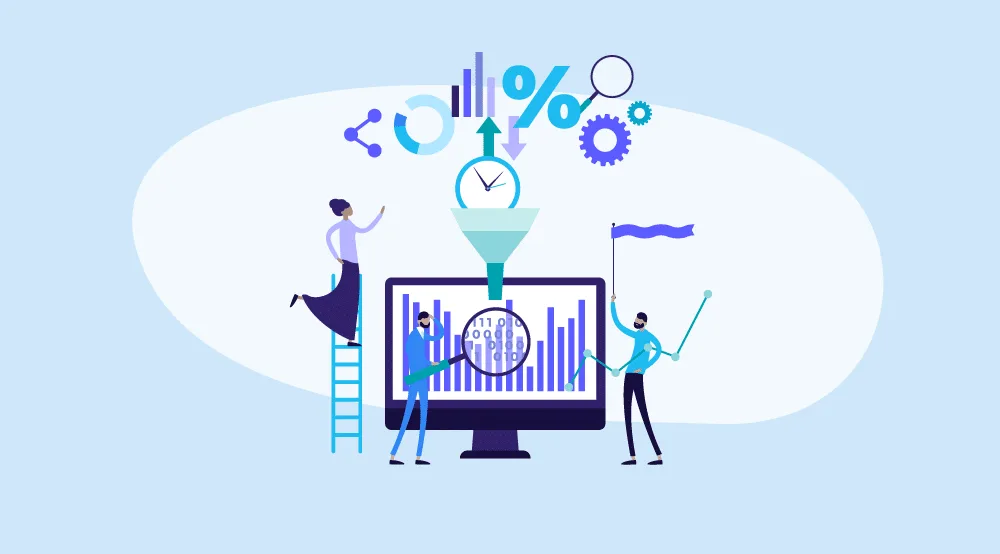
Workforce intelligence involves collecting, analysing, and interpreting employee-related data to understand workforce capabilities, identify organisational challenges, and support future planning. It enables businesses to make informed decisions about recruitment, employee retention, productivity, training, and workforce expenses.
For example, organisations can examine employee turnover trends to understand retention challenges or analyse competency records to identify skill shortages. These insights help HR teams recommend practical improvements based on measurable evidence.
An hr analytics course introduces professionals to workforce metrics, data interpretation, and reporting techniques. By learning how to transform raw employee information into meaningful insights, HR professionals can contribute more effectively to organisational strategy.
Developing Essential Digital HR Skills
Digital HR transformation involves using technology to improve traditional human resource processes. Organisations may introduce cloud-based HR management systems, automated recruitment platforms, digital learning tools, and employee self-service applications.
HR professionals must understand how these technologies collect information, streamline workflows, and support decision-making. Familiarity with analytical tools is equally important because digital platforms often generate large volumes of workforce data.
Through an hr analytics course, professionals can develop skills in spreadsheet analysis, dashboard creation, data visualisation, and workforce reporting. Depending on the programme, learners may also explore tools such as Microsoft Excel, Power BI, Tableau, SQL, and Python.
These capabilities help professionals interpret workforce information and communicate findings clearly to managers and business leaders.
Supporting Data-Driven HR Decisions
Traditional HR decisions have often depended on experience, observations, and managerial judgment. Although these perspectives remain valuable, combining them with reliable data can improve consistency and reveal patterns that might otherwise remain unnoticed.
For instance, recruitment analytics can identify effective sourcing channels, while performance data can highlight training requirements. Employee engagement surveys can also reveal concerns related to workplace culture, management practices, and career development.
An hr analytics course teaches professionals how to evaluate relevant indicators, compare workforce trends, and identify potential explanations for observed outcomes. This approach supports more informed decisions while encouraging professionals to validate findings before recommending action.
Exploring Automation and Artificial Intelligence
Automation and artificial intelligence are becoming increasingly important in digital HR operations. Automated systems can assist with routine administrative tasks, application management, employee queries, and workforce reporting.
AI-powered analytical tools can also help identify trends, forecast staffing requirements, and highlight potential skill gaps. However, these technologies require appropriate oversight because inaccurate data or poorly designed algorithms can produce misleading or unfair outcomes.
An hr analytics course can help professionals understand how analytics supports digital HR applications and why responsible technology use matters. HR teams must protect employee privacy, evaluate algorithmic bias, and maintain human accountability for important employment decisions.
Improving Workforce Planning and Talent Development
Digital HR transformation helps organisations anticipate future workforce requirements and prepare employees for changing business needs. Workforce intelligence can reveal emerging skill shortages, identify employees suitable for internal mobility, and support targeted learning initiatives.
For example, an organisation preparing to adopt new technology may analyse existing employee competencies and identify the training required before implementation.
An hr analytics course equips professionals with methods for assessing skill gaps, tracking development outcomes, and evaluating workforce trends. These insights help organisations build stronger talent pipelines and improve long-term workforce readiness.
Measuring Digital HR Transformation
Organisations should evaluate whether digital HR initiatives produce meaningful improvements. Relevant indicators include recruitment turnaround time, administrative efficiency, employee engagement, training completion, and user satisfaction with digital platforms.
HR dashboards can help managers monitor these indicators and compare results before and after new systems are introduced. Reliable measurement makes it easier to identify successful initiatives and areas requiring improvement.
Conclusion
Workforce intelligence and digital HR transformation are reshaping the responsibilities of modern HR professionals. Analytical knowledge enables them to interpret workforce trends, evaluate digital initiatives, improve talent management, and support strategic business decisions.
An hr analytics course provides a foundation for developing these capabilities through workforce metrics, analytical tools, and evidence-based practices. By combining digital proficiency with ethical judgment and effective communication, professionals can contribute to smarter HR operations and help organisations prepare for the future of work.