
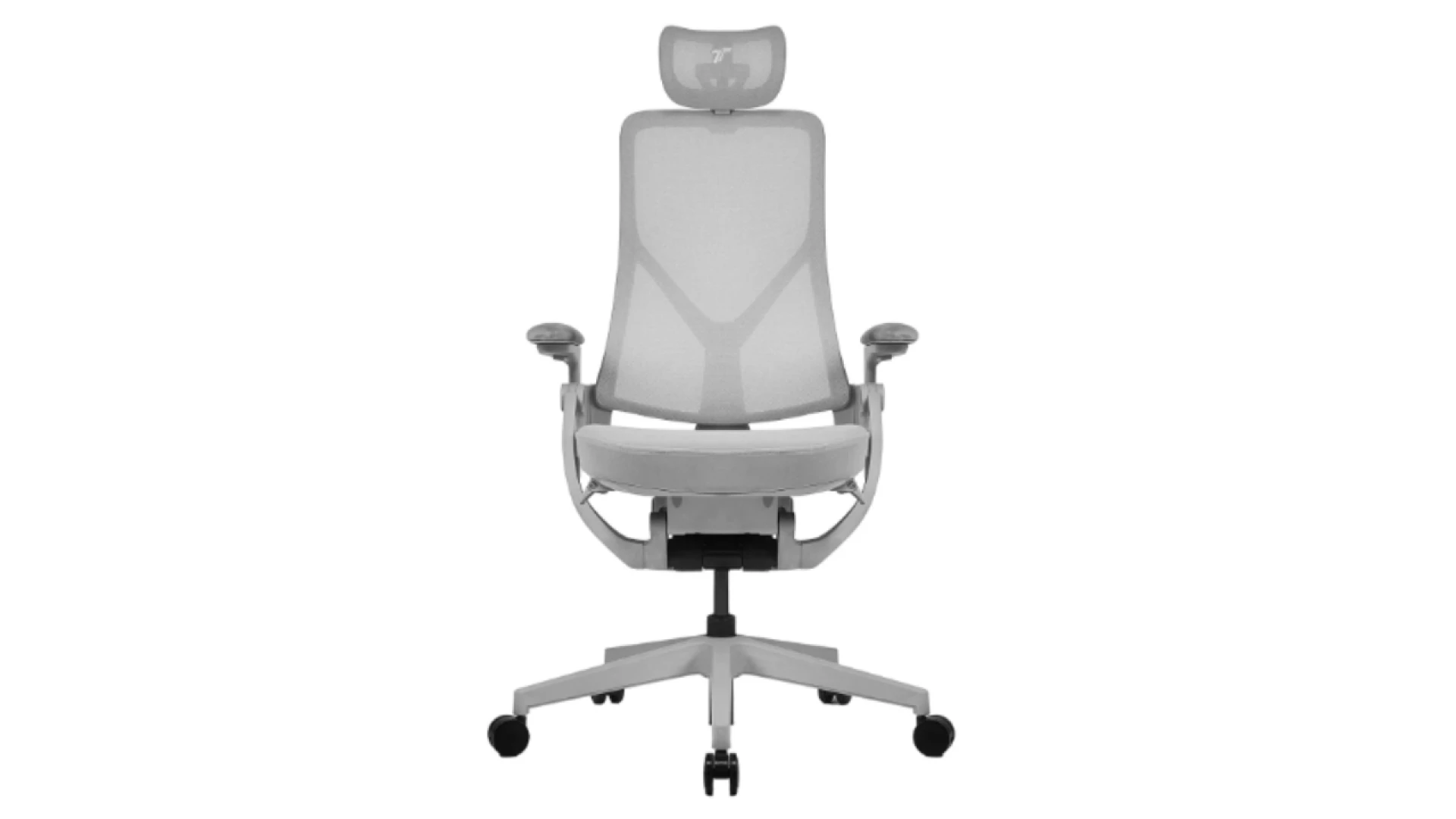
Long periods of sitting can place significant strain on the body, particularly the spine, neck, and lower back. For office workers, remote professionals, and students alike, the cumulative effects of poor posture and inadequate seating can lead to chronic discomfort and reduced productivity. Understanding the role of seating in overall well-being is essential, and this is where an ergonomic chair can make a meaningful difference.
An ergonomic chair is designed to support the natural curvature of the spine, distribute weight evenly, and encourage proper posture. By aligning seating with the body’s biomechanics, they reduce muscular fatigue and tension over time. Unlike conventional chairs, these designs prioritize both comfort and health, making them particularly relevant in workplaces where prolonged sitting is unavoidable.
This article explores how such seating solutions enhance comfort, prevent strain, and improve overall efficiency during long work hours, offering insights based on research in ergonomics and human factors.
Understanding Ergonomic Principles in Seating
The foundation of ergonomic seating lies in its ability to accommodate the human body in a neutral position. Neutral posture reduces stress on joints and muscles, helping the body maintain energy and focus for extended periods. Key principles include:
- Adjustability: The chair should allow modifications to seat height, armrests, backrest angle, and lumbar support. Individual differences in body dimensions require customization for optimal support.
- Lumbar Support: Proper lumbar support maintains the natural inward curve of the lower spine, reducing the risk of lower back pain, a common complaint among office workers.
- Seat Depth and Cushioning: Adequate cushioning supports the hips without causing pressure points, while correct seat depth ensures that thighs are fully supported without restricting circulation.
These features collectively minimize the stress imposed on muscles and ligaments, allowing users to sustain comfort during extended sessions at desks.
Reducing Physical Strain and Discomfort
Long hours of sitting can exacerbate discomfort in several key areas: the neck, shoulders, and lower back. Traditional seating often contributes to poor posture, resulting in muscle tension and fatigue. Ergonomically designed chairs, by contrast, aim to prevent these issues through:
- Dynamic Sitting Support: High-quality chairs allow micro-adjustments, promoting slight movements that stimulate circulation and prevent stiffness.
- Neck and Shoulder Alignment: Adjustable headrests and armrests ensure that shoulders remain relaxed, preventing forward hunching and cervical strain.
- Pressure Distribution: Well-designed seats distribute body weight evenly, reducing localized pressure that can cause discomfort or numbness over time.
Research in occupational health highlights that workers using ergonomically optimized seating report significantly lower rates of musculoskeletal complaints compared to those using standard office chairs.
Enhancing Productivity and Focus
Comfort is closely linked to cognitive performance. When physical strain is minimized, individuals can maintain concentration and efficiency for longer periods. Ergonomic chairs contribute indirectly to productivity by:
- Minimizing Distractions: Pain or discomfort often interrupts workflow. Proper support allows users to focus on tasks rather than adjusting posture constantly.
- Encouraging Active Posture Changes: Ergonomic chairs are designed to allow subtle shifts in position, which reduces mental fatigue and improves alertness.
- Supporting Healthy Habits: Features such as adjustable seat height and tilting mechanisms encourage alignment with desks and monitors, promoting better workstation ergonomics overall.
These benefits illustrate that investing attention in seating is not merely about comfort—it also supports sustained mental performance during long working hours.
Integrating Ergonomic Seating into Daily Work Routine
While a well-designed chair provides substantial support, its benefits are maximized when combined with proper usage habits:
- Regular Breaks: Standing or walking for a few minutes every hour helps reduce cumulative spinal load and enhances circulation.
- Correct Desk Setup: Monitor height, keyboard position, and desk arrangement should complement the chair’s adjustments.
- Mindful Posture: Even in ergonomic seating, slouching or leaning excessively can undermine benefits. Conscious posture maintenance remains important.
Conclusion
Ergonomic chairs offer more than temporary comfort—they are a preventive measure against musculoskeletal strain and a facilitator of sustained productivity. By supporting proper posture, distributing body weight, and allowing micro-movements, these chairs help reduce physical fatigue during long hours of work. The integration of ergonomic principles into everyday seating highlights the importance of considering the human body in workspace design. Over time, this investment in health can improve not only physical well-being but also efficiency and focus.
FAQs
What makes an ergonomic chair different from a standard office chair?
An ergonomic chair is designed with adjustability, lumbar support, and posture alignment in mind, whereas standard chairs typically lack these features, which can lead to discomfort over time.
Can using an ergonomic chair prevent back pain?
While no chair can eliminate all risk, properly designed ergonomic seating significantly reduces strain on the spine and muscles, lowering the likelihood of chronic pain associated with prolonged sitting.
How often should I adjust my chair during work hours?
Small adjustments throughout the day are recommended. Adjust seat height, backrest angle, and armrests as needed to maintain comfort and posture, especially during longer sessions.
Are ergonomic chairs suitable for all body types?
Yes, most ergonomic chairs are highly adjustable to accommodate a range of body sizes and shapes. Features like adjustable lumbar support and seat depth are key for individual comfort.
Is it necessary to combine an ergonomic chair with other ergonomic practices?
Absolutely. For optimal results, combine supportive seating with regular breaks, proper monitor placement, and conscious posture management.