
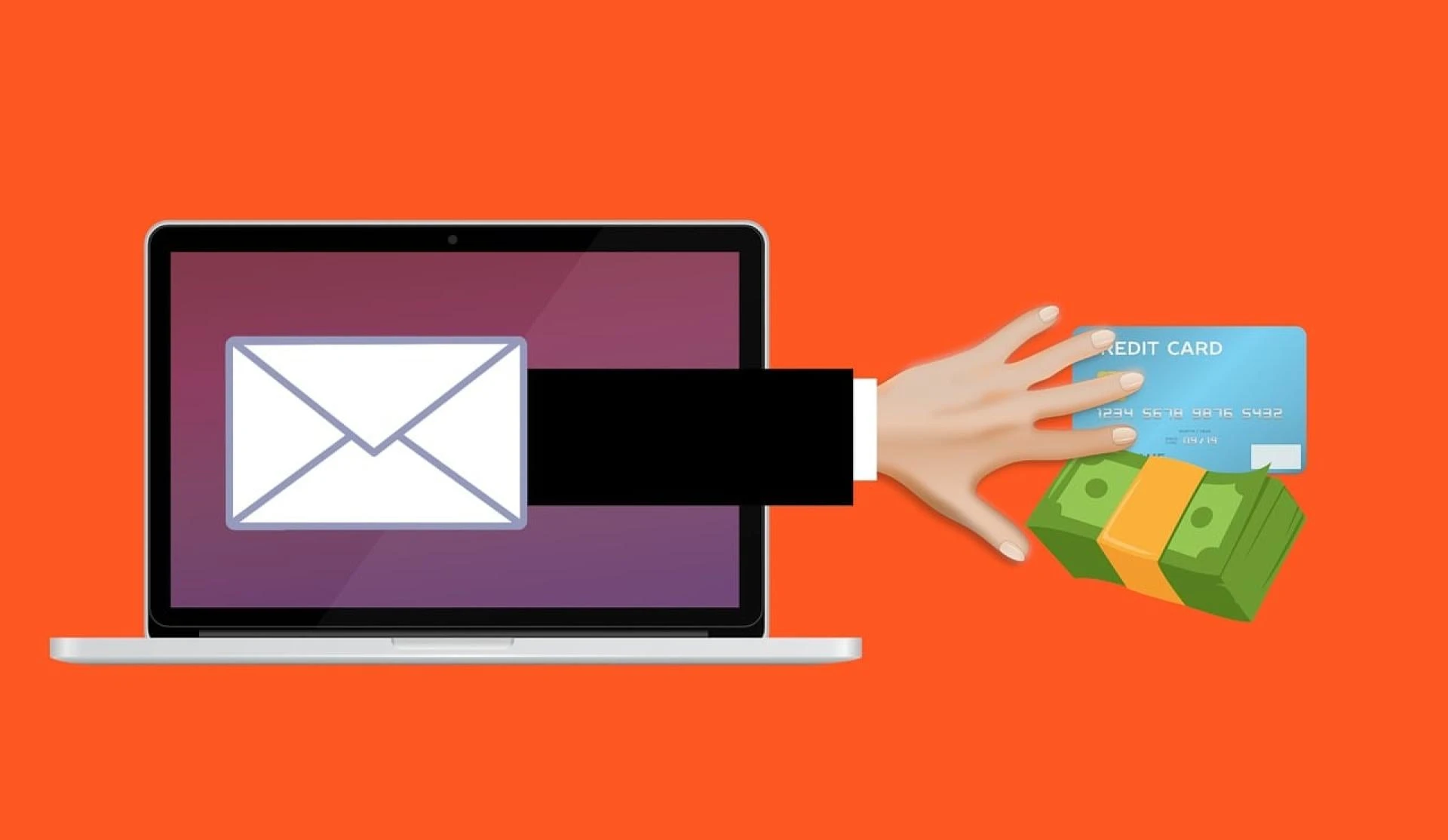
Email fraud is a growing cybersecurity concern that affects both businesses and individuals. Attackers use deceptive tactics like spoofing and phishing to steal sensitive information, infect devices with malware, or manipulate financial transactions. The consequences for businesses include financial loss, reputational damage, and loss of customer trust. For individuals, the risks range from identity theft to financial fraud and malware infections.
Common Types of Email Fraud
Several email fraud techniques pose a threat to businesses:
Spoofing: Attackers forge the sender's email address to impersonate a trusted source.
Phishing: Fraudsters trick users into sharing sensitive information by pretending to be legitimate organizations.
Malware & Ransomware: Emails contain malicious attachments or links that infect systems, often locking data for ransom.
How an Email Validation Tool Prevents Email Fraud
An email validation tool plays a crucial role in identifying fraudulent email addresses before they can cause harm. Real-time email validation helps verify email authenticity as users enter their email addresses into a form, preventing spoofing and phishing attempts.
Key Features of an Effective Email Validation Tool:
Syntax Validation: Identifies typos and formatting errors.
Domain Validation: Ensures the domain exists and is valid.
MX Record Validation: Confirms the presence of mail exchange records.
Catch-All Email Detection: Flags addresses that may collect spam.
Disposable Email Detection: Blocks temporary or fake email addresses.
Using an Email Validation Widget for Real-Time Protection
Many businesses integrate an email validation widget into their websites to ensure that only legitimate email addresses are submitted. ExactVerify offers an Email Validation JavaScript Widget, a lightweight and easy-to-use tool that instantly checks email validity before submission. This widget helps businesses reduce bounce rates, prevent fraudulent sign-ups, and improve overall email marketing success.
Strengthening Email Security with Additional Measures
In addition to using an email validation tool, businesses should implement security measures like:
SPF, DKIM, and DMARC: Email authentication protocols that prevent spoofing.
Employee Training: Educating staff on how to recognize phishing emails.
Two-Factor Authentication (2FA): Adding an extra layer of security to email accounts.
Spam Filters and Encryption: Blocking unwanted emails and securing sensitive communications.
How ExactVerify Helps Businesses Combat Email Fraud
ExactVerify's real-time email validation solution has helped many businesses reduce email fraud. Companies that implemented ExactVerify’s tool experienced lower bounce rates and fewer spam complaints. By leveraging an email validation widget, businesses can ensure that their email lists remain clean and secure.
Conclusion: Enhancing Security with an Email Validation Tool
Email fraud is a significant threat, but businesses can protect themselves with proactive measures. Implementing an email validation tool and using an email validation widget can help prevent fraud, improve email deliverability, and safeguard business communications. Businesses looking to enhance their email security can start using ExactVerify today.