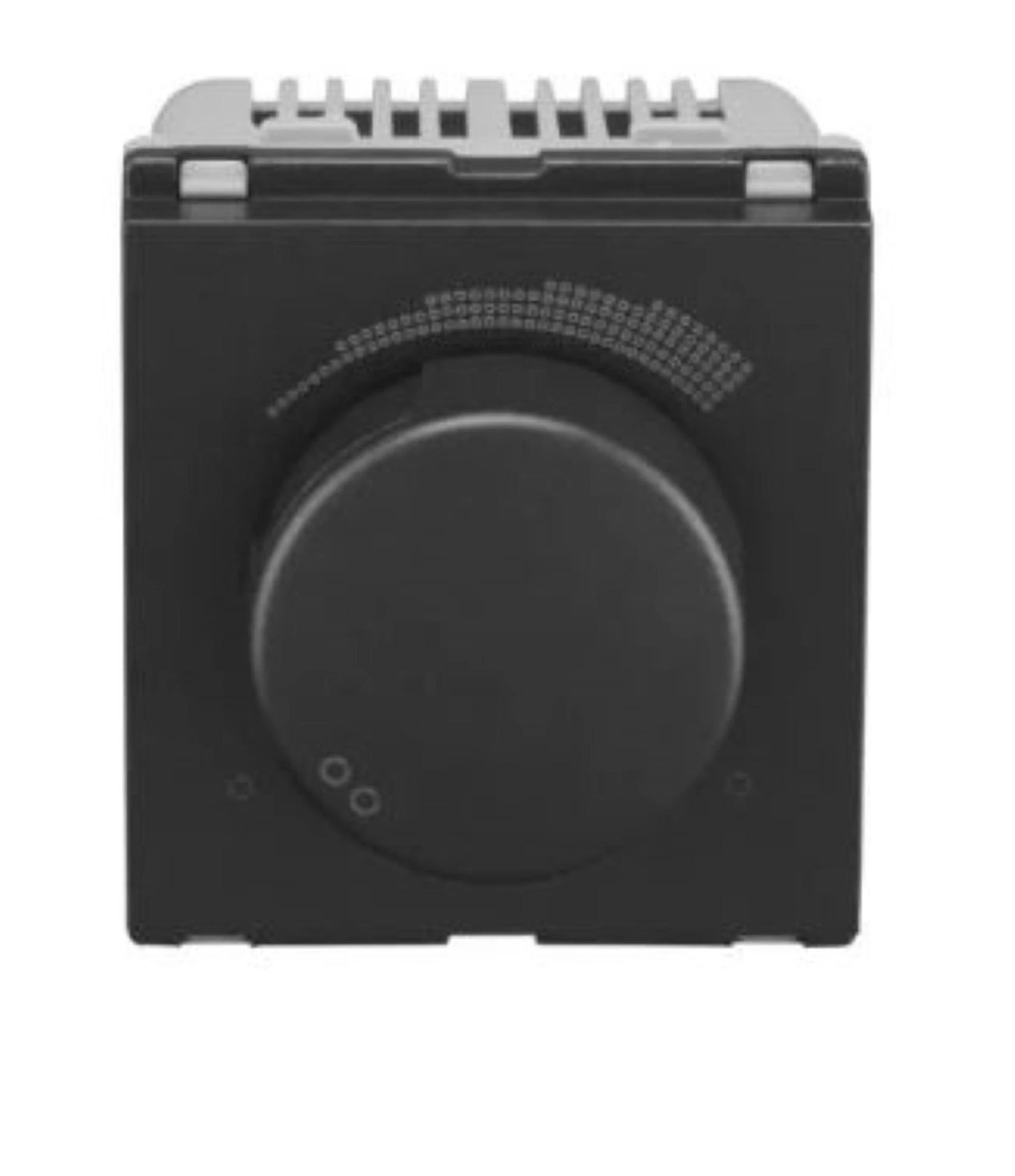
In today’s modern households and offices, comfort and energy efficiency are two of the most important considerations when it comes to managing electrical appliances. Among these, fans play a significant role in ensuring air circulation and cooling, especially in warm climates. While ceiling fans, table fans, and exhaust fans are commonplace, the way they are controlled can significantly impact both comfort and electricity consumption. This is where the electronic fan regulator emerges as a smart solution. By offering precise speed control, energy efficiency, and seamless operation, electronic regulators have transformed the way we use fans in daily life.
This comprehensive guide explores how electronic fan regulators work, the different fan regulator types, their advantages, and how they contribute to enhanced comfort and reduced power bills.
The Importance of Fan Regulators
Fans are integral to indoor comfort, but operating them at full speed constantly is neither necessary nor energy-efficient. Traditional fans often rely on mechanical regulators, which limit speed control to a few fixed levels. These regulators consume more energy than necessary and produce noise, reducing overall comfort.
Fan regulators play a crucial role by:
- Adjusting airflow according to user preference
- Reducing energy wastage
- Extending the life of the fan motor
- Minimizing operational noise
- Enhancing overall indoor comfort
Modern electrical innovations, particularly the electronic fan regulator, have addressed many limitations of traditional systems, providing smoother operation, energy efficiency, and better user experience.
What is an Electronic Fan Regulator?
An electronic fan regulator is a device designed to control the speed of a fan motor using advanced electronic circuits instead of traditional resistive mechanisms. Unlike mechanical regulators, which reduce voltage by wasting power as heat, electronic regulators use semiconductor technology and digital circuitry to manage voltage more efficiently.
How It Works
- Voltage Control Using Triacs or PWM
Electronic fan regulators often use triac-based circuits or Pulse Width Modulation (PWM) to regulate voltage. This ensures precise speed control without energy wastage.
- Smooth Speed Adjustment
Instead of abrupt jumps between speed levels, an electronic fan regulator allows smooth transitions, enhancing comfort.
- Low Heat Generation
By reducing voltage electronically rather than using resistors, these regulators generate minimal heat, making them safer and more durable.
- Compatibility
Most modern electronic fan regulators are compatible with standard ceiling fans, BLDC fans, and other fan motor types, offering versatility for different household setups.
Different Fan Regulator Types
Understanding the various fan regulator types is important for choosing the right solution for your home or office. While electronic regulators are the modern standard, other types are still available.
1. Mechanical Step-Type Regulators
- Use resistors to control fan speed
- Limited speed settings
- Generates heat and noise
- Less energy-efficient
- Suitable for older installations
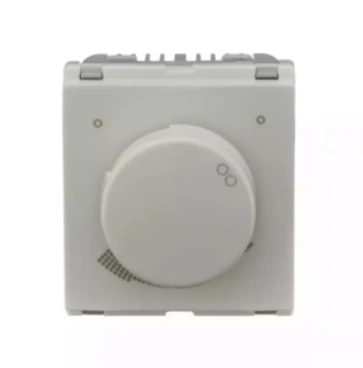
2. Rotary Electronic Regulators
- Offers smooth speed control
- Low noise operation
- Energy-efficient and durable
- Can be installed in modern modular switchboards
3. Touch-Sensitive Fan Regulators
- Modern, premium design
- Offers precise control with touch operation
- Often includes LED indicators for speed levels
- Compatible with smart home integration in some models
4. Smart Fan Regulators
- Controlled via apps or voice assistants
- Timer and scheduling options available
- Energy monitoring features
- Integrates seamlessly with home automation systems
5. Remote-Controlled Fan Regulators
- Operated through infrared or RF remote
- Convenient for controlling multiple fans from a distance
- Ideal for elderly or mobility-challenged users
By understanding the fan regulator types, users can select a solution that balances comfort, energy efficiency, and aesthetic appeal.
How Electronic Fan Regulators Improve Comfort
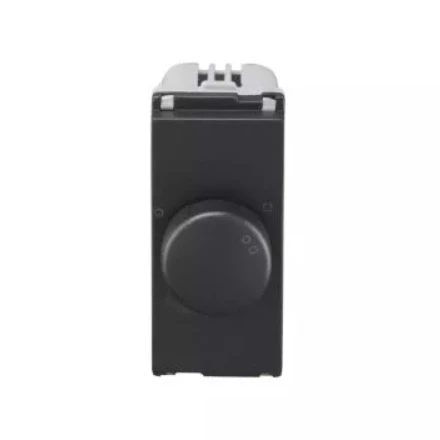
One of the primary benefits of an electronic fan regulator is enhanced indoor comfort. Here’s how:
1. Smooth and Precise Speed Control
Unlike mechanical regulators that jump between fixed speeds, electronic regulators allow gradual adjustment. Users can fine-tune fan speed according to room temperature and personal comfort, providing a more pleasant airflow.
2. Noise-Free Operation
Mechanical regulators often produce a humming sound when adjusting speed. Electronic fan regulators eliminate this noise, making them ideal for bedrooms, study rooms, and offices where quiet is important.
3. Uniform Airflow
By delivering stable voltage and avoiding fluctuations, electronic regulators ensure consistent fan performance. This prevents sudden changes in airflow, enhancing comfort throughout the room.
4. Improved Aesthetic and User Experience
Modern electronic fan regulators come with sleek designs and user-friendly interfaces. Touch-sensitive and smart models enhance the visual appeal of rooms while providing intuitive control.
How Electronic Fan Regulators Reduce Power Bills
Energy efficiency is a major advantage of electronic fan regulators. Traditional mechanical regulators waste energy through resistors, while electronic systems use voltage control efficiently.
1. Energy-Efficient Voltage Regulation
Electronic regulators reduce fan speed by controlling voltage electronically instead of dissipating it as heat. This ensures that less power is wasted, directly lowering electricity bills.
2. Optimized Usage of Fan Motors
By allowing precise control of speed, users can operate fans at lower speeds when full airflow is unnecessary. This reduces energy consumption significantly over time.
3. Longer Lifespan Reduces Replacement Costs
Electronic fan regulators reduce stress on fan motors, preventing overheating and mechanical wear. A longer-lasting fan motor means fewer replacements and maintenance costs, indirectly saving money.
4. Compatibility with Energy-Saving Fans
Modern electronic regulators are often designed to work with BLDC or energy-efficient fans. These combinations maximize electricity savings without compromising comfort.
5. Smart Energy Management
Some advanced electronic fan regulators integrate with smart home systems to provide scheduling, automation, and monitoring. Users can set fans to operate only when rooms are occupied, further reducing energy usage and costs.
Advantages of Installing an Electronic Fan Regulator
- Reduced Power Consumption: Lower energy bills due to efficient voltage control.
- Enhanced Comfort: Smooth, adjustable fan speeds tailored to user needs.
- Noise Reduction: No humming or buzzing while adjusting speed.
- Safety: Minimal heat generation reduces fire hazards.
- Durability: Extended fan motor life due to optimized operation.
- Aesthetic Appeal: Sleek and modern designs improve room interiors.
- Smart Functionality: Options for touch control, remote operation, and app integration.
These advantages make electronic fan regulators a must-have for modern homes and workplaces.
Tips for Choosing the Right Electronic Fan Regulator
Selecting the right electronic fan regulator ensures maximum comfort and energy savings:
- Check Compatibility: Ensure the regulator supports your fan type (AC, BLDC, or ceiling fan).
- Consider Speed Levels: Choose a regulator that allows multiple speed adjustments for better comfort.
- Look for Energy-Saving Features: Opt for models with low standby power consumption.
- Smart Features: Remote control or app-based regulators provide convenience and scheduling options.
- Safety Standards: Check for certifications such as IEC or IS to ensure reliable operation.
- Design and Aesthetics: Choose a model that matches your home or office interiors.
Investing in a high-quality electronic fan regulator ensures long-term comfort, energy efficiency, and safety.
Installation and Maintenance Tips
Proper installation and periodic maintenance are essential for optimal performance:
- Professional Installation: Always have a certified electrician install the regulator.
- Correct Wiring: Ensure proper earthing and voltage compatibility.
- Regular Cleaning: Dust and dirt can affect performance; clean periodically.
- Avoid Overloading: Do not connect fans exceeding the regulator’s rated capacity.
- Check for Wear: Inspect electronic components periodically for signs of damage.
Following these practices ensures that your electronic fan regulator continues to perform efficiently and safely for years.
The Future of Electronic Fan Regulators
With growing awareness of energy efficiency and smart home technology, electronic fan regulators are evolving rapidly. Future innovations may include:
- AI-based fan speed control based on room temperature and occupancy.
- Integration with home energy monitoring systems.
- Voice control through smart assistants.
- Predictive maintenance features that alert users before device failure.
- Enhanced energy-saving modes for reduced electricity consumption.
These advancements will further enhance comfort, convenience, and cost savings in modern homes and offices.
Conclusion
Electronic fan regulators have revolutionized the way we control fan speed and indoor airflow. By providing smooth operation, noise-free performance, energy efficiency, and long-term durability, these devices significantly improve comfort while reducing electricity bills. Understanding the various fan regulator types and selecting the right model ensures maximum benefits for both homes and offices.
For reliable, high-quality, and expertly designed electronic fan regulators, Lauritz Knudsen Electrical and Automation remains a trusted provider, delivering solutions that enhance comfort, efficiency, and safety for modern electrical systems.