Urban populations are growing, traffic congestion is increasing, and traditional traffic management methods are no longer efficient enough to keep cities moving smoothly. Modern smart cities require intelligent, automated, and data-driven systems to manage traffic flow, reduce congestion, and enhance public safety. One technology leading this transformation is AI Vehicle Detection Software.
Using advanced computer vision and real-time video analytics, AI Vehicle Detection Software can identify vehicles, monitor traffic patterns, detect violations, and provide actionable insights to city authorities. This helps build smarter, safer, and more efficient transportation ecosystems.
In this article, we explore how AI vehicle detection is reshaping traffic management and why it has become a critical component of smart city infrastructure.
What is AI Vehicle Detection Software?
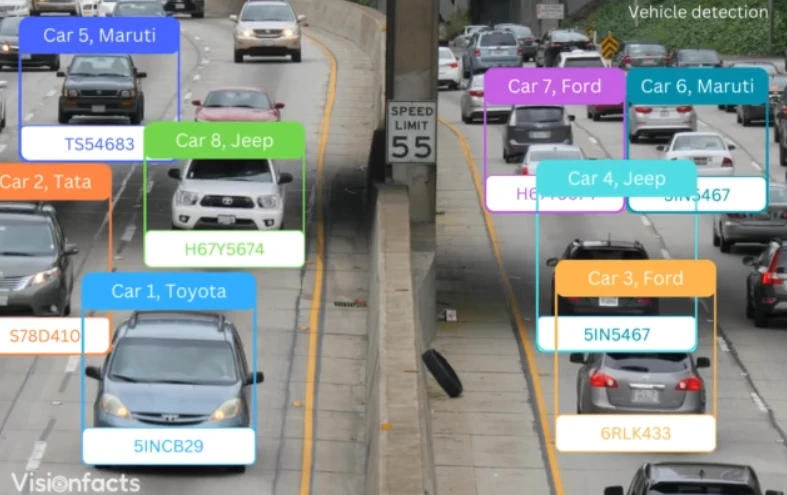
AI Vehicle Detection Software uses machine learning and computer vision to detect, track, and classify vehicles from CCTV cameras, dashcams, or traffic cameras. The software analyzes live video streams to identify:
- Cars
- Trucks
- Buses
- Motorcycles
- Emergency vehicles
- Unauthorized or suspicious vehicles
This real-time intelligence helps cities optimize traffic flow, reduce congestion, enforce laws, and enhance road safety.
How AI Vehicle Detection Software Improves Traffic Management in Smart Cities
1. Real-Time Traffic Flow Monitoring
Cities deal with traffic congestion every single day—especially during peak hours. AI Vehicle Detection Software monitors traffic flow in real time and identifies:
- High-density areas
- Slow-moving traffic
- Sudden congestion
- Traffic build-up near intersections
- Blocked lanes or obstructions
This real-time data helps traffic control centers optimize traffic lights, reroute vehicles, and reduce bottlenecks.
2. Intelligent Traffic Signal Control
Traditional traffic signals work on fixed timers, often causing unnecessary waiting and longer travel times. AI-powered systems analyze vehicle volume at each signal and adjust timings automatically.
Benefits include:
- Reduced waiting time
- Faster clearing of congested lanes
- Reduced fuel consumption
- Better experience for drivers
- Lower carbon emissions
This adaptive traffic control system helps create smoother and more efficient traffic movement throughout the city.
3. Enhanced Road Safety & Accident Prevention
AI vehicle detection helps improve road safety by detecting dangerous scenarios such as:
- Over-speeding vehicles
- Wrong-way driving
- Sudden stops
- Illegal lane changes
- Vehicles blocking pedestrian crossings
Instant alerts allow authorities to respond immediately, reducing the risk of accidents and improving overall safety for drivers, cyclists, and pedestrians.
4. Automated Vehicle Counting & Classification
Analyzing traffic volume manually is time-consuming and inaccurate. AI makes it fully automated.
The software provides:
- Total vehicle count
- Vehicle type (car, bus, truck, bike, etc.)
- Time-based traffic density reports
- Hourly, daily, and weekly traffic analytics
These insights help city planners make smarter decisions related to:
- Road expansion
- Traffic signal optimization
- Route planning
- Infrastructure development
5. Improved Parking Management
Smart cities face a huge challenge with parking shortages. AI vehicle detection supports:
- Automated entry/exit detection
- Real-time parking occupancy monitoring
- Intelligent guidance systems
- Detection of illegal parking
Drivers spend less time searching for parking, reducing unnecessary traffic and fuel waste.
6. Enhanced Law Enforcement & Violation Detection
AI vehicle detection can automatically detect and flag:
- Red-light violations
- Speeding
- Illegal U-turns
- Unauthorized access to restricted zones
- Lane violations
- Stopped vehicles in no-parking zones
Authorities can take immediate action, improving citizen safety and reducing traffic law violations.
7. Emergency Vehicle Prioritization
AI systems can identify ambulances, fire trucks, and police vehicles in real time. Traffic signals can be adjusted to give them priority access, helping emergency services reach destinations faster.
This helps save lives and reduces delays during critical situations.
8. Supporting Smart City Planning & Decision-Making
Cities can use AI-generated data for long-term planning such as:
- Where to build new roads
- How to reduce congestion hotspots
- Improving public transport routes
- Planning flyovers, metro expansion, or alternate routes
With accurate data, smart city infrastructure becomes more efficient and future-ready.
Visionfacts: Empowering Smart Cities with Advanced AI Vehicle Detection Solutions
Visionfacts provides next-generation AI-powered vehicle detection software that helps smart cities improve traffic management, road safety, and urban mobility. Built using robust computer vision algorithms, Visionfacts integrates seamlessly with existing CCTV infrastructure—making deployment fast and cost-effective.
Key Capabilities of Visionfacts Vehicle Detection System:
- Real-time vehicle detection & tracking
- Vehicle classification (cars, trucks, buses, bikes)
- Intelligent traffic density analysis
- Violation detection (speeding, red-light, wrong-way driving)
- Automated traffic signal optimization
- Parking occupancy monitoring
- Emergency vehicle detection
Visionfacts helps governments, municipalities, toll authorities, and smart city planners create safer road networks, reduce congestion, and improve transportation efficiency across urban environments.
Conclusion
AI Vehicle Detection Software is transforming the way modern cities manage traffic. With accurate real-time data, automated monitoring, and intelligent insights, cities can reduce congestion, prevent accidents, enforce laws, and build more efficient transportation systems. As urban populations continue to grow, AI-powered traffic management solutions will become essential for building safer and smarter cities.
Smart city authorities that adopt advanced solutions like those offered by Visionfacts are taking the right step toward a more organized, sustainable, and technology-driven future.
To upgrade your city’s mobility and traffic intelligence, contact Visionfacts today.
FAQs
1. What is AI Vehicle Detection Software?
It is a computer vision-based solution that detects, tracks, and classifies vehicles in real-time using CCTV and traffic cameras.
2. How does this software help reduce traffic congestion?
It monitors traffic flow, identifies congestion hotspots, and helps optimize signal timing to ensure smoother traffic movement.
3. Can AI detect traffic violations automatically?
Yes. AI can detect red-light violations, speeding, wrong-way driving, illegal parking, and other violations instantly.
4. Do smart cities need new cameras to use Visionfacts AI?
No. Visionfacts integrates with existing CCTV cameras, making implementation simple and cost-effective.
5. How does AI vehicle detection improve road safety?
It identifies dangerous driving patterns, alerts authorities in real time, and helps prevent accidents before they happen.