Businesses today work in a fast digital environment where every decision affects cost performance and long term growth. Therefore the organization focuses not only on innovation but also on reducing operational overhead that slowly drains budgets over time.
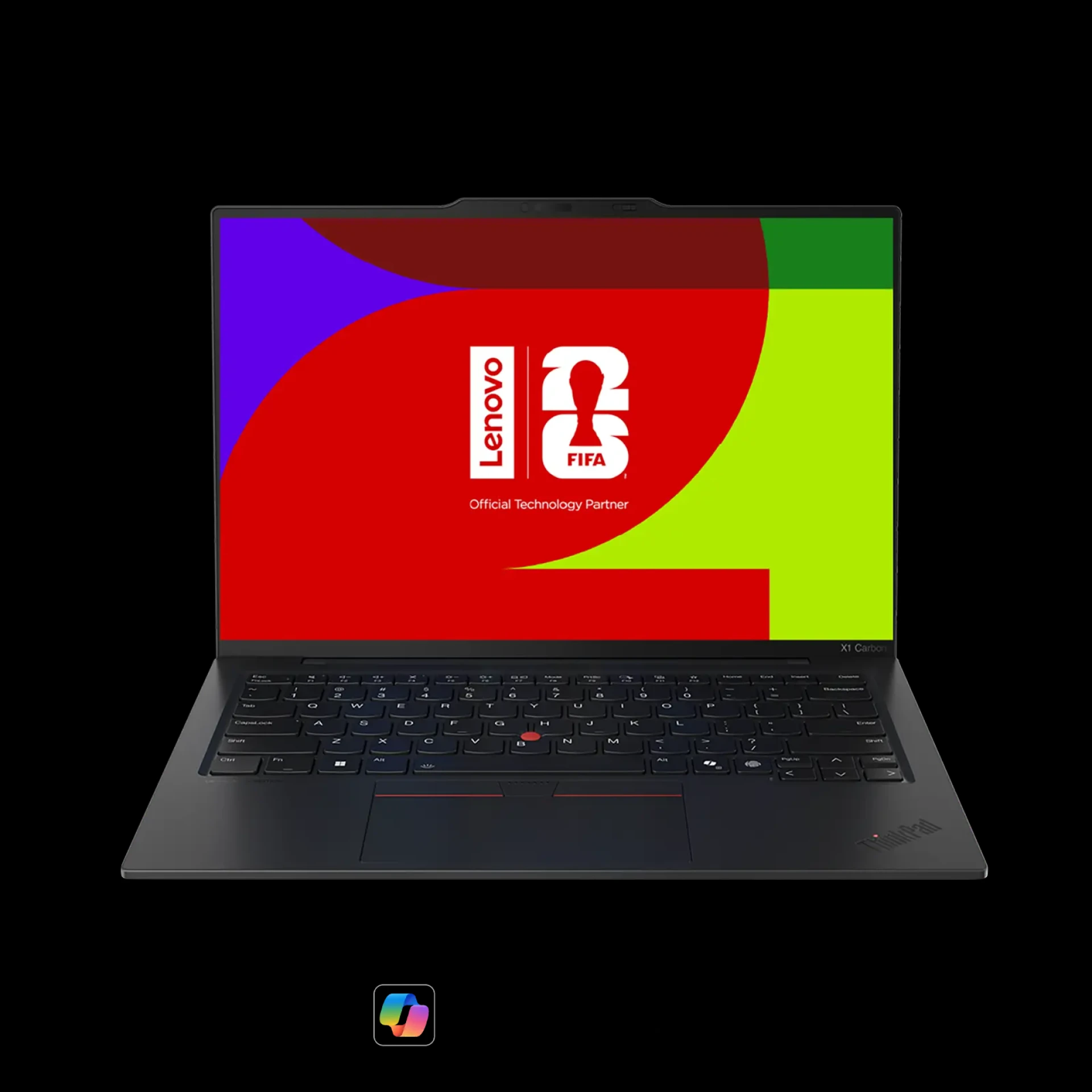
At the same time employees expect systems that respond quickly, protect data and support modern collaboration tools. This is where an AI PC for business becomes important. It combines advanced processors, neural engines and built in intelligence to manage workloads directly on the device.
As a result companies gain better efficiency without increasing IT complexity. Moreover this new generation of smart PC systems helps teams complete tasks faster while reducing energy use maintenance needs and security risks.
Let us explore how this balance between performance and cost control in organizations can improve productivity while keeping long-term expenses stable and predictable.
1. Intelligent Task Automation Reduces Manual Work
When employees perform repetitive digital tasks every day, operational costs increase gradually. However an AI PC for business uses device intelligence to automate many of these background processes. As a result systems can manage updates, optimize memory and prioritize applications without constant IT supervision.
Because the neural processing unit handles AI based scheduling the system allocates power and computing resources based on real time demand. Therefore high priority business applications receive the attention they need while low priority tasks run quietly in the background.
This smart automation reduces the time IT teams spend on troubleshooting and performance tuning. At the same time employees experience smoother workflows. Over months and years this improvement lowers labor costs and reduces system downtime which directly minimizes long term operational overhead.
2. Energy Efficient Performance Lowers Power Costs
Energy consumption plays a major role in operational expenses. Therefore organizations look for technology that delivers strong performance while using less electricity. A smart PC powered by AI driven workload management adjusts power levels based on task intensity.
Instead of running at full capacity all the time the system studies usage patterns and shifts resources accordingly. As a result it reduces unnecessary energy usage during light workloads. Meanwhile during heavy analytics or collaboration sessions it increases performance only when required.
This balance creates measurable savings across large device fleets. When hundreds or thousands of devices operate efficiently the reduction in power bills becomes significant. Over time this controlled energy usage reduces operational overhead while supporting sustainability goals that many businesses now prioritize.
3. Built In Security Lowers Risk Management Costs
Cybersecurity incidents often create unexpected expenses. Therefore organizations invest heavily in protection monitoring and recovery tools. An AI PC for business strengthens security directly at the device level which reduces reliance on external layers alone.
Because the system analyzes behavior patterns locally it detects unusual activity in real time. When it identifies suspicious login attempts or abnormal file access it responds instantly. As a result, threats stop before they spread across the network.
This proactive defense reduces the cost of breach recovery legal exposure and productivity loss. Moreover IT teams spend less time responding to incidents because the smart PC handles many protections automatically. Over the long term this approach reduces operational overhead by lowering both direct and indirect security expenses.
4. Predictive Maintenance Extends Device Lifespan
Hardware failures often lead to emergency repairs, replacement purchases and workflow disruption. However AI enabled systems monitor performance health indicators and temperature levels continuously. Therefore they identify early warning signs before serious damage occurs.
Key Predictive Capabilities
- The system tracks processor load and thermal patterns in real time
- It analyzes storage health and flags unusual read write behavior
- It monitors battery condition and power cycles to prevent sudden failure
- It alerts IT teams when components require attention
Because the AI PC for business delivers these insights automatically organizations can schedule maintenance in a planned manner. As a result they avoid sudden breakdowns that interrupt operations. Over several years this predictive approach extends hardware lifespan and reduces replacement costs which directly lowers operational overhead.
5. Smarter Collaboration Improves Workforce Productivity
Modern businesses rely on video meetings, cloud applications and real time document sharing. Therefore device performance during collaboration affects employee efficiency. A smart PC uses AI to enhance audio clarity, suppress background noise and optimize video processing.
Since these improvements occur on the device employees experience smooth meetings without heavy cloud dependency. Consequently networks face less strain and companies avoid investing in additional bandwidth upgrades.
Furthermore when teams communicate clearly they resolve issues faster and complete projects on time. This improved productivity translates into cost savings across departments. Over time efficient collaboration reduces operational overhead because organizations accomplish more without increasing headcount or infrastructure spending.
6. Centralized Device Management Simplifies IT Operations
Managing large fleets of devices often requires multiple software tools, manual updates and regular on site support. However AI powered systems support intelligent remote management features that simplify administration.
How Centralized Management Reduces Costs
- IT teams deploy updates automatically based on system readiness
- The platform generates performance reports for quick decision making
- Remote diagnostics resolve many issues without physical inspection
- Automated policy enforcement ensures consistent security standards
Because the AI PC for business integrates these management capabilities IT departments reduce travel time service contracts and manual configuration tasks. As a result operational overhead declines steadily. Moreover centralized control improves compliance and reduces the risk of configuration errors that could lead to costly disruptions.
7. Scalable Performance Supports Long Term Growth
Businesses evolve as customer demand and digital workloads increase. Therefore organizations require systems that adapt without constant hardware replacement. An AI PC for business offers scalable performance through intelligent resource allocation and software optimization.
Since the device learns usage patterns over time it adjusts computing resources to match growing workloads. Consequently companies can extend the useful life of existing hardware rather than replacing devices every few years.
In addition smart PC platforms support advanced analytics automation tools and AI driven applications that help businesses innovate without major infrastructure expansion. This scalability ensures that technology investments remain relevant for longer periods. Over time the reduced need for frequent upgrades lowers capital expenditure and minimizes long term operational overhead.
Conclusion
Technology decisions shape the future stability of every organization. Therefore leaders must choose systems that balance innovation with cost control. An AI PC for business does more than deliver performance. It actively reduces long term operational overhead through automation security energy management and predictive intelligence.
As businesses grow they need technology that supports progress without increasing complexity. A smart PC provides that balance by simplifying management, strengthening protection and improving productivity across teams. Over time these consistent improvements protect budgets while empowering people to work with confidence.
When organizations adopt intelligent computing they move toward a smarter more sustainable model of growth. The result is not just reduced overhead but a stronger foundation for long term success that benefits both the business and the people who drive it forward.